Trying to decide between Billings’ West End and the Heights for your next home? You are not alone. Both areas offer solid single-family options, but the day-to-day feel is different. In this guide, you will learn how home ages, lot sizes, amenities, and commutes compare so you can focus your search with confidence. Let’s dive in.
West End vs. Heights at a glance
The West End is Billings’ major west-side growth corridor with large retail centers and newer subdivisions along the Shiloh corridor. You will find a mix of established blocks closer to town and recent builds toward the edge of the city. For a quick overview, explore the West End neighborhood snapshot that highlights its retail and residential mix in plain terms from a consumer view via the West End neighborhood guide.
The Heights sits northeast of downtown across the Rimrocks. It reads as primarily residential with local shopping nodes, parks, and pockets of rim views. Subdivisions are well established, with newer infill and edge developments continuing to add options. Neighborhood boundaries and definitions vary a bit by source, so when you want the planning view, use the city’s Community Neighborhood Plans overview for context.
Both neighborhoods are part of active planning updates that can influence future land use and transportation. For a status check on the west side, review the city’s West Billings effort on the West Billings plan update page.
Homes and architecture
West End housing
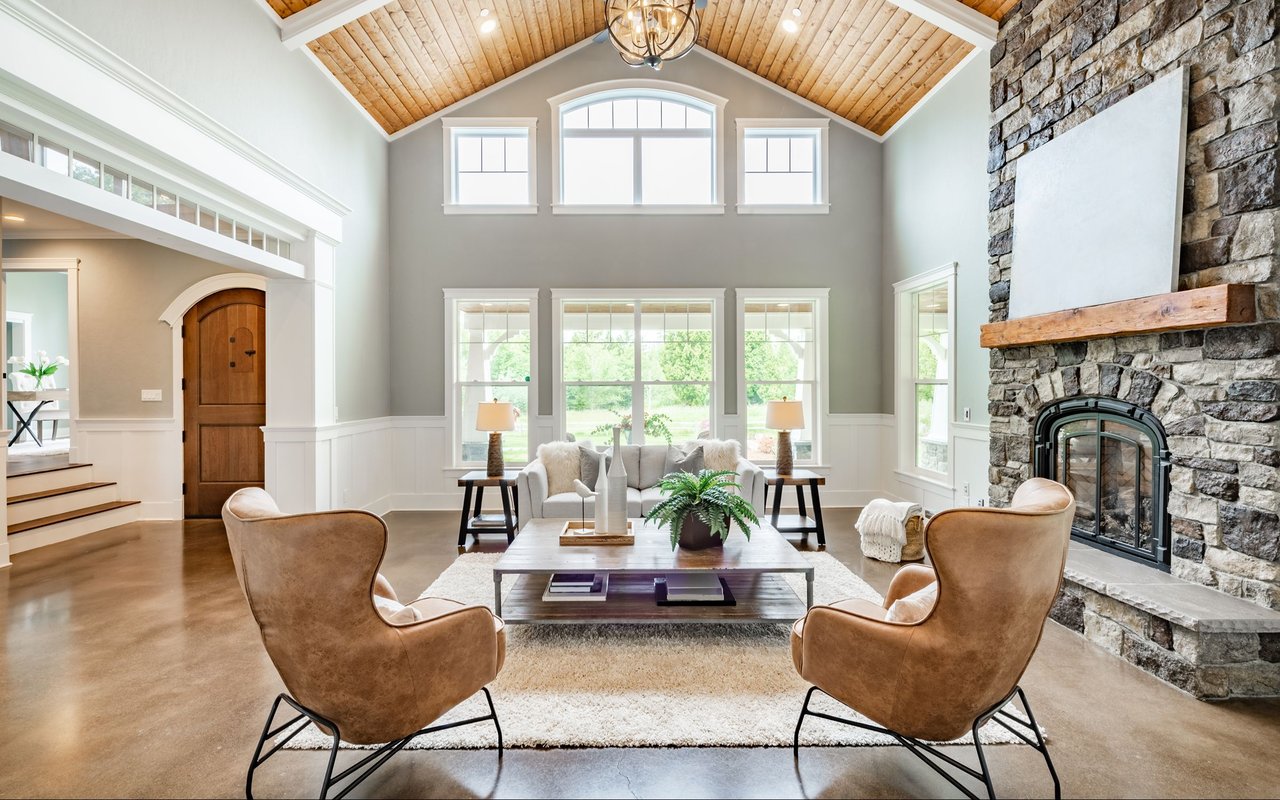
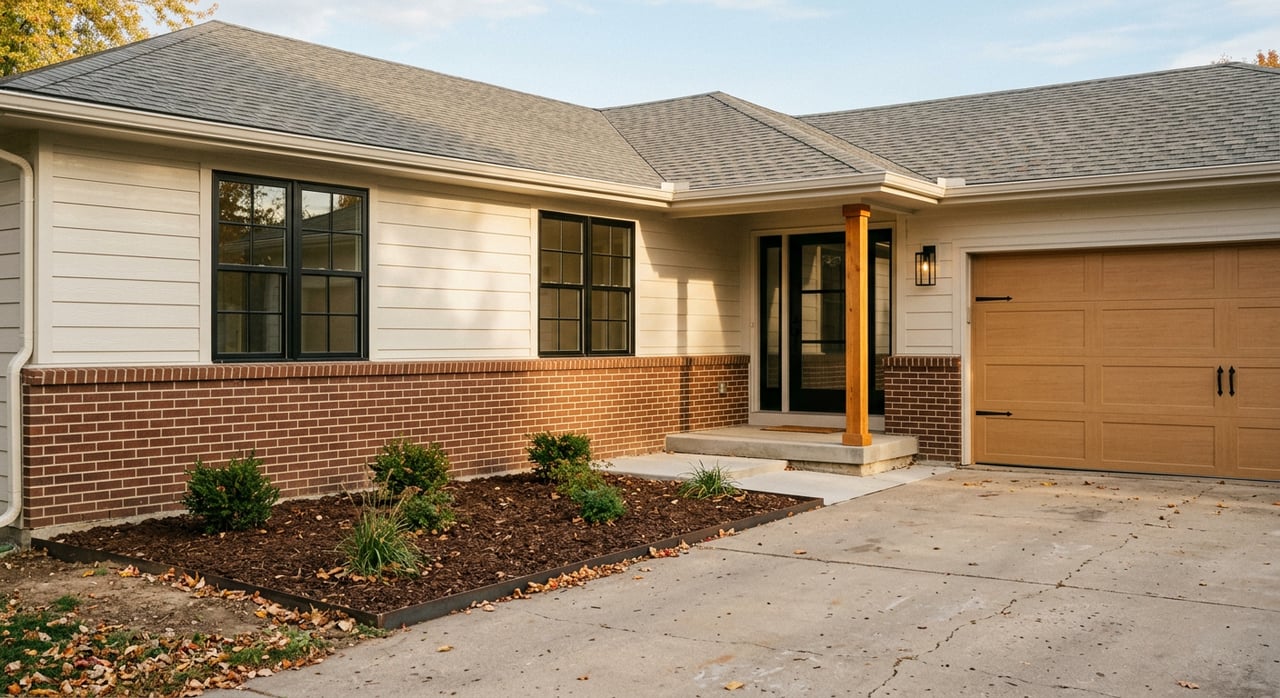
Housing in the West End spans several eras. Closer to central Billings you will see mid-century ranch and split-level homes from the 1950s to the 1980s. Farther west near the Shiloh corridor, you will find newer subdivisions with two-story and modern Craftsman styles from the 2000s forward. Custom and master-planned communities show up near the fringe, so finishes and layouts often feel more contemporary.
Heights housing
The Heights includes a larger share of single-family homes built in the second half of the 20th century, with substantial building from the 1970s through the 1990s and continuing into the 2000s in edge and infill areas. Expect a range of ranch and bi-level homes, plus newer one-level and contemporary styles in recent subdivisions. The overall feel is consistent single-family, with most streets built for yard-oriented living.
Basements and garages
In both areas, new builds commonly offer a full basement or a basement-ready plan, and two-car garages are standard in recent subdivisions. Older homes vary by era, so you will see attached garages, carports, and partial basements in some listings. When you compare square footage, check whether finished basements are included.
Lot sizes and outdoor space
Lot sizes vary more widely in the West End. Older core blocks can sit on smaller suburban parcels, while newer West End subdivisions and rim-adjacent pockets often offer larger lots, including many in the 9,600 to 12,000 square foot range. The mix runs from townhome-style density to quarter-acre plus lots in certain developments.
In the Heights, lots tend to be larger on average and more consistent. Consumer guides often note a typical property size around 10,000 square feet, with some edge neighborhoods offering half-acre and larger parcels. For a quick neighborhood snapshot, see the Billings Heights neighborhood guide.
If a larger, more private yard and potential rim views top your list, the Heights is a strong fit. If you want a range of new-build styles with varied lot sizes near growing retail, the West End deserves a close look.
Daily convenience and amenities
West End convenience
The West End is Billings’ primary retail and lifestyle hub. You have anchors like Rimrock Mall and the Shiloh Crossing lifestyle center, plus restaurants, services, and entertainment that cluster along major arterials. For many homeowners, that means most errands fall within a short drive.
Heights lifestyle
The Heights offers neighborhood-scale retail and service centers along its main corridors, along with parks and outdoor access. You will find a quieter, suburban vibe with golf, green space, and newer conveniences near active subdivisions. Daily needs are covered locally, while specialty shopping is an easy cross-town trip.
Getting around and commute feel
Most Billings households drive for daily trips. West side planning materials note very low non-auto commute rates in the study area, which matches citywide patterns. That means garages, driveway parking, and good arterial access matter in both neighborhoods. For a planning-level snapshot of travel behavior and future transportation changes, see the West Billings plan update.
- West End and Shiloh area: Direct access to I-90 and major arterials supports regional travel. Traffic can bunch near retail nodes during peak periods, especially around Shiloh and King.
- Heights: Direct routes across or around the Rimrocks connect you to downtown and regional highways. Parts of the Heights offer convenient access to the airport and northeast arterials.
Public transit is available through MET Transit. Coverage and frequency are modest compared to driving, so if you plan to ride, confirm schedules for your exact address using the MET routes and schedules. For air travel, Billings Logan International sits on the north rim and serves both neighborhoods; get oriented via the airport’s official site.
Practical tip: If you have multiple commutes or frequent activities, test-drive your routes at peak times. Traffic near busy retail corridors can shift your drive-time math compared with quieter Heights streets.
New construction and future outlook
Both the West End and the Heights are part of active neighborhood-plan updates that will guide future land use and transportation. Some subareas may see infill, mixed housing options, or updated zoning over time. Review draft materials before you finalize a block-by-block decision, starting with the West Billings plan update page and the city’s neighborhood plan index.
You will find new construction at the edges of both neighborhoods. In the Heights, communities like High Sierra and nearby edge subdivisions continue to add modern floor plans that often include basements and two-car garages. On the West End, master-planned areas near Shiloh and the city’s western fringe offer contemporary styles with open main floors and energy-conscious features. Builder offerings and CC&Rs vary, so compare lot sizes, exterior guidelines, and included features before you commit.
Market medians can shift quickly and differ by micro area. Use current MLS data for pricing conversations and ask for street-level comps to understand how an older block compares with a newer subdivision a few miles away.
How to choose your best fit
Ask yourself what matters most day to day, then use that as your guide:
- Choose the West End if you want immediate access to retail, restaurants, and entertainment, plus a mix of newer builds and future mixed-use projects near Shiloh.
- Choose the Heights if you want larger, yard-focused lots with a consistent single-family feel and convenient access to parks, green space, and rim views.
- Choose either if new construction is your priority. Both areas have active subdivisions with modern floor plans and builder options.
- For any choice, drive your commute at rush hour, check MET routes if relevant, and review neighborhood plan updates if you are near a growth corridor.
When you narrow your focus, compare individual blocks. Within both the West End and the Heights, home ages, maintenance needs, and lot sizes can change in just a few streets. A hyperlocal set of comps will reveal the true value story.
Your next step
If you are ready to tour homes or compare micro-areas side by side, we are here to help. The Brosovich Real Estate Team pairs neighborhood-level insight with white-glove service, virtual tours for relocators, and polished listing presentation when you sell. Let’s make your next move clear and confident. Connect with the Brosovich Real Estate Team to get started today.
FAQs
What types of homes are common in the West End of Billings?
- You will find a mix of mid-century ranch and split-level homes near central Billings, plus newer two-story and modern Craftsman builds toward the Shiloh corridor and the city’s western edge.
How big are lots in Billings Heights compared to the West End?
- Heights lots tend to be larger on average, often around 10,000 square feet with some half-acre parcels, while West End lots vary widely from smaller suburban parcels to quarter-acre plus in newer subdivisions.
Which area is better for shopping and dining access in Billings?
- The West End is the stronger choice for immediate retail and dining, anchored by centers like Rimrock Mall and Shiloh Crossing, which place many services within a short drive.
How does commuting compare between the West End and the Heights in Billings?
- Both are car oriented, with major arterials offering good access to downtown and highways. The West End can see peak congestion near retail nodes, while the Heights has direct routes across the Rimrocks and practical access to the airport.
Are there new construction options in both the West End and the Heights?
- Yes. Each area has active subdivisions with modern floor plans, basements, and two-car garages. Compare builder lot sizes, CC&Rs, and included features before selecting a community.
Will future planning or zoning changes affect these Billings neighborhoods?
- Both areas are under active neighborhood-plan updates that guide future land use and transportation. Review current drafts on the city’s planning pages before finalizing a purchase near growth corridors.