Welcome to Laurel, MT
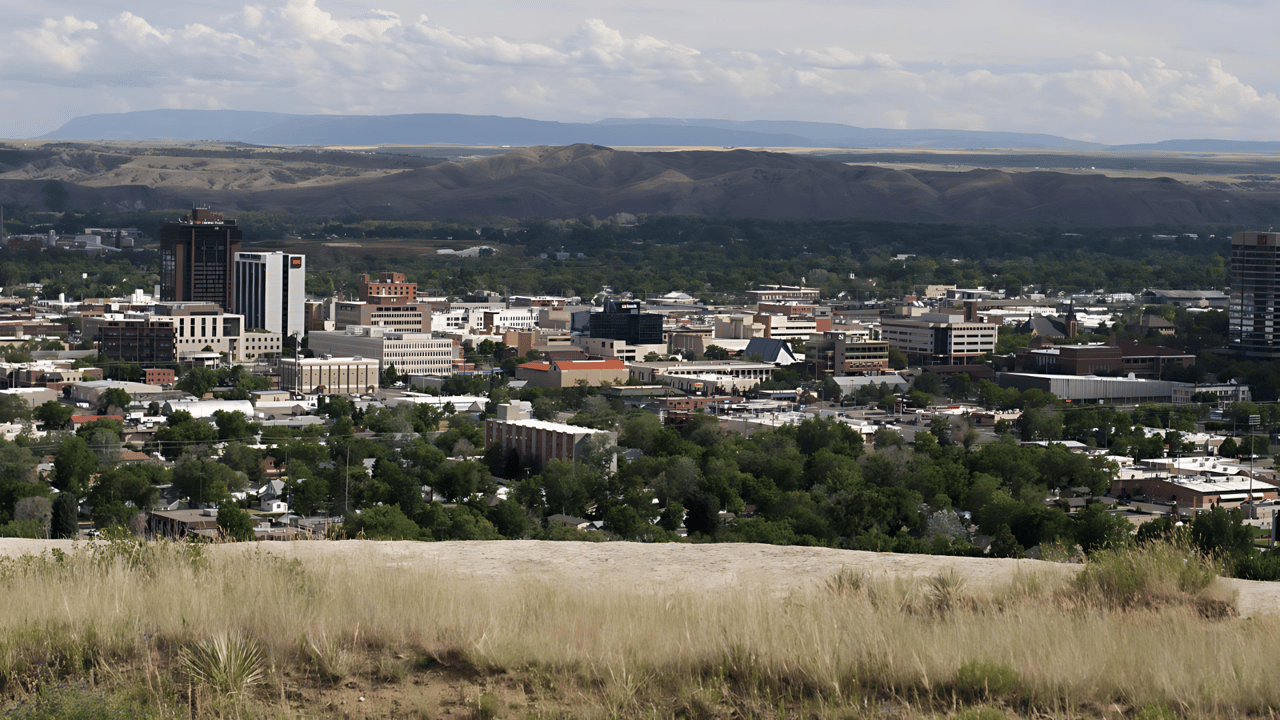
Laurel is Montana's third-largest community in the Billings Metropolitan Statistical Area with a population of 7,251 as of 2025. Located just 15 miles west of Billings along Interstate 90 and the Yellowstone River, Laurel serves as a railroad hub and refinery town with authentic small-town character.
The population is predominantly white (88.6%), with a median age of 36.6 and median household income of $66,382. Families represent 61.2% of households, while individuals and roommates make up 38.8%. The unemployment rate stands at just 2.1%, reflecting strong local job security.
Known as the "Hub of Montana," Laurel provides easy access to recreational opportunities throughout the state while maintaining affordability compared to larger cities. The community attracts working families drawn by the railroad and refinery employment, young professionals commuting to Billings, retirees seeking small-town atmosphere, and outdoor enthusiasts valuing proximity to the Yellowstone River and Beartooth Mountains.
Major employers include Montana Rail Link (operating Montana's largest and busiest rail yard extending 2.5 miles), Cenex Harvest States Refinery, Laurel School District, and Wood's Power Grip. The city's railroad heritage permeates daily life—from the high school mascot "Locomotives" to the welcome caboose displaying Northern Pacific logos to recycled railroad lumber in local homes.
History
Laurel's story begins in 1806 when Captain William Clark of the Lewis and Clark expedition camped at the mouth of the Clarks Fork River where it meets the Yellowstone River. This site became the settlement of Carlton, later renamed Laurel after an abundant local shrub found in a railroad official's North Carolina hometown.
Before becoming a city, people passed through during the gold rush era (1860s-1870s) traveling to Clarks Fork headwaters via wagon and small Yellowstone River steamers. Permanent settlement began in 1879 when homesteaders, dryland wheat farmers, and ranchers moved into the area. A section house built near present-day railroad yards served as depot and post office.
The railroad arrived in summer 1882 when the Northern Pacific Railway pushed up the Yellowstone Valley, bringing the first recorded train to Laurel. With the railroad's arrival, the small agricultural community's population grew from about 200 to 368 by 1900. In 1889, the Rocky Fork Railroad (Northern Pacific affiliate) built a branch line to Red Lodge, platting a new townsite at the junction. Carlton residents relocated to the new Laurel, laid out as a typical railroad T-town with businesses along Main Street parallel to the tracks.
The town incorporated October 10, 1908, electing its first city council and mayor. Population surged to 806 by 1910 and 2,338 by 1920 as railroad jobs attracted settlers. By 1909, Northern Pacific established at Laurel the largest terminal yards between Minneapolis and Seattle. A roundhouse, machine shop, icehouse, loading docks, and large water tank complex transformed the town into a critical railroad center.
Irrigated farming bolstered growth in early 1900s as irrigation ditches transformed arid land into prime sugar beet farmland. A sugar beet processing plant helped assure permanency alongside the railroad.
In 1929-1930, the Laurel Leaf Refinery opened south of town, adding oil refining as a third industry to railroads and agriculture, bolstering the economy during the depressed 1930s. In 1943, Farmers Union Central Exchange purchased the refinery. The company adopted the name Cenex Harvest States Refinery in 1972 and continues operating today as Laurel's main industry.
Downtown evolved from 1906-1960, stretching east and west with boomtown false fronts giving way to Western Commercial brick storefronts and architect-designed business blocks, then post-WWII modern structures.
Burlington Northern Railroad operated the rail yard from 1970-1987. Montana Rail Link has owned it since 1987, maintaining its status as Montana's largest rail yard between St. Paul and Pasco, Washington.
Location & Geography
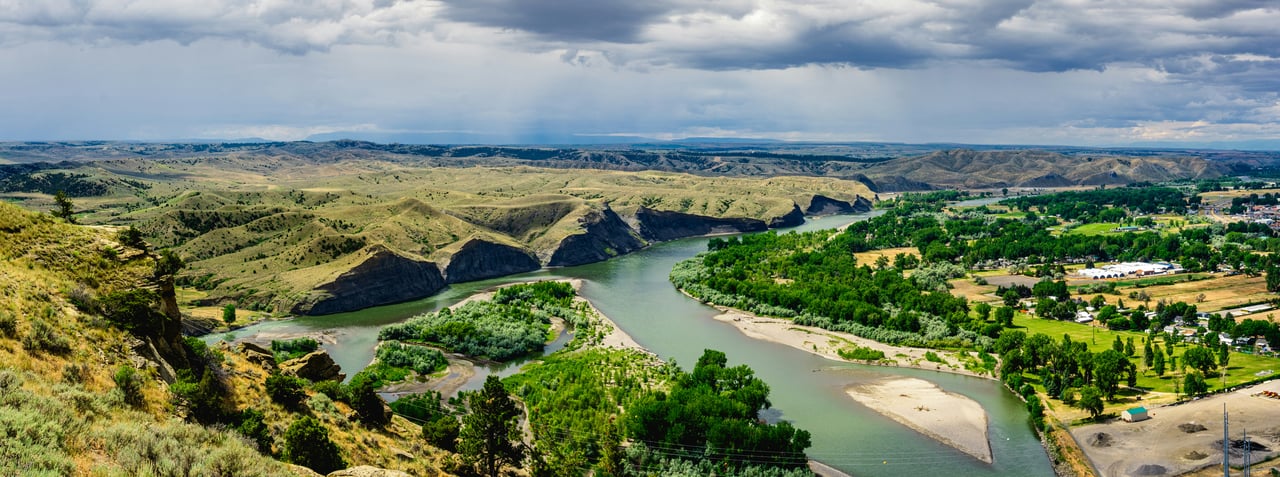
Laurel occupies 1.88 square miles (2.605 square miles total, 0.002 water) in Yellowstone County at 3,515 feet elevation. Most of the city sits on the Yellowstone River's north side, with the Clarks Fork River joining the Yellowstone approximately 2 miles southeast of town.
The city lies at the intersection of Interstate 90 (east-west corridor) and US Highway 212 (leading south to Red Lodge and Beartooth Pass). Location coordinates: 45°40′26″N 108°46′15″W.
Laurel sits 15 miles west of Billings (Montana's largest city), 45 miles northeast of Red Lodge, 114 miles from Yellowstone National Park's northeast entrance, 77 miles west of Custer Battlefield, and 40 miles from Pompeys Pillar National Monument.
The terrain features relatively flat valley floor with the Yellowstone River as dominant natural feature. To the south, the Beartooth Mountains rise dramatically. North of town, the landscape transitions to rolling prairie and rimrocks.
Climate features warm summers (average July temperature 72°F, with record high 108°F) and cold winters (average January temperature 20°F). Extreme weather rarely lasts more than a few days. Average annual moisture is 15.09 inches with 133-day growing season. Sufficient for vegetable and fruit gardens but semi-arid overall.
Nearby natural attractions include Bighorn Canyon (sheer beauty, Yellowtail Reservoir boating), the Bighorn River (considered one of world's finest trout streams), Beartooth Wilderness, and Yellowstone River blue-ribbon fishing.
Real Estate Market Snapshot
As of late 2024/early 2025, Laurel's housing market reflects broader Montana trends while maintaining relative affordability:
- Median Home Prices: November 2025 data shows median list price of $425,000, significantly higher than historical averages. City-Data reports estimated median house value of $262,813 (2023), while other sources cite $317,200 median home value. The variation likely reflects recent rapid appreciation.
- Days on Market: Median of 89 days in November 2025, consistent with previous year—indicating stable but not frenzied market pace.
- Market Conditions: Laurel benefits from proximity to Billings while offering lower prices than the larger metro. The market favors buyers compared to 2023-2024 peaks. Montana statewide shows 6.5% year-over-year price increases, though local Laurel data suggests more moderate growth.
- Housing Stock Characteristics: Detached single-family homes dominate. Properties show median construction year influenced by railroad-era development and mid-20th century expansion. Many homes feature recycled railroad materials and working-class construction quality.
- Affordability: Median housing costs of $1,024 per month (owner-occupied) and $953 median gross rent represent significant savings compared to Billings ($1,177) and Montana averages. Cost of living index sits at 88.7 (below US average of 100).
- Investment Considerations: Many residents commute 15 miles to Billings, making Laurel attractive for those seeking affordability while accessing larger city employment. The railroad and refinery provide economic stability. Limited inventory compared to Billings creates less volatility.
- Market Trajectory: Long-term appreciation strong due to limited Montana housing supply and in-migration from higher-cost states. Short-term shows moderation from pandemic-era peaks but continued steady growth expected through 2025-2026.
Types of Homes Available
Laurel's housing stock reflects its railroad town heritage and working-class roots:
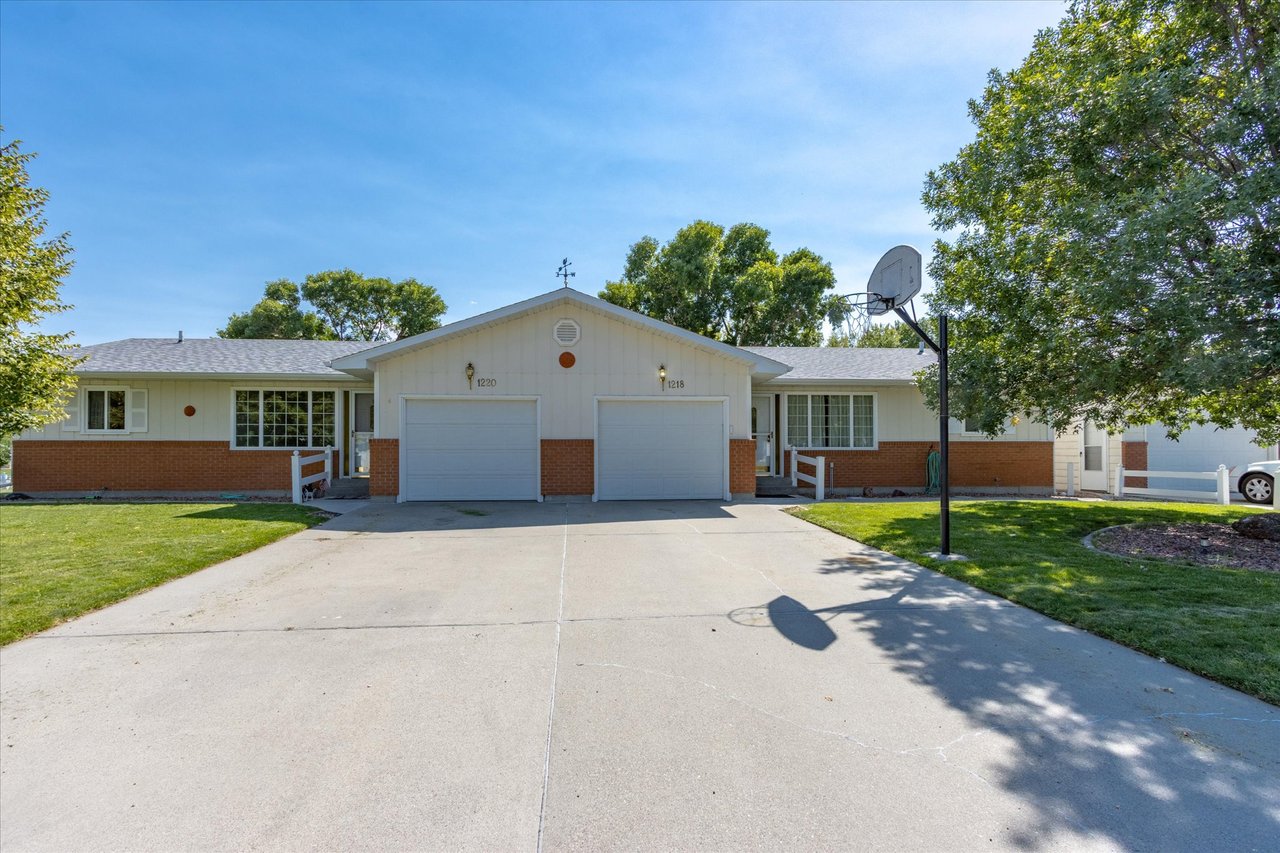
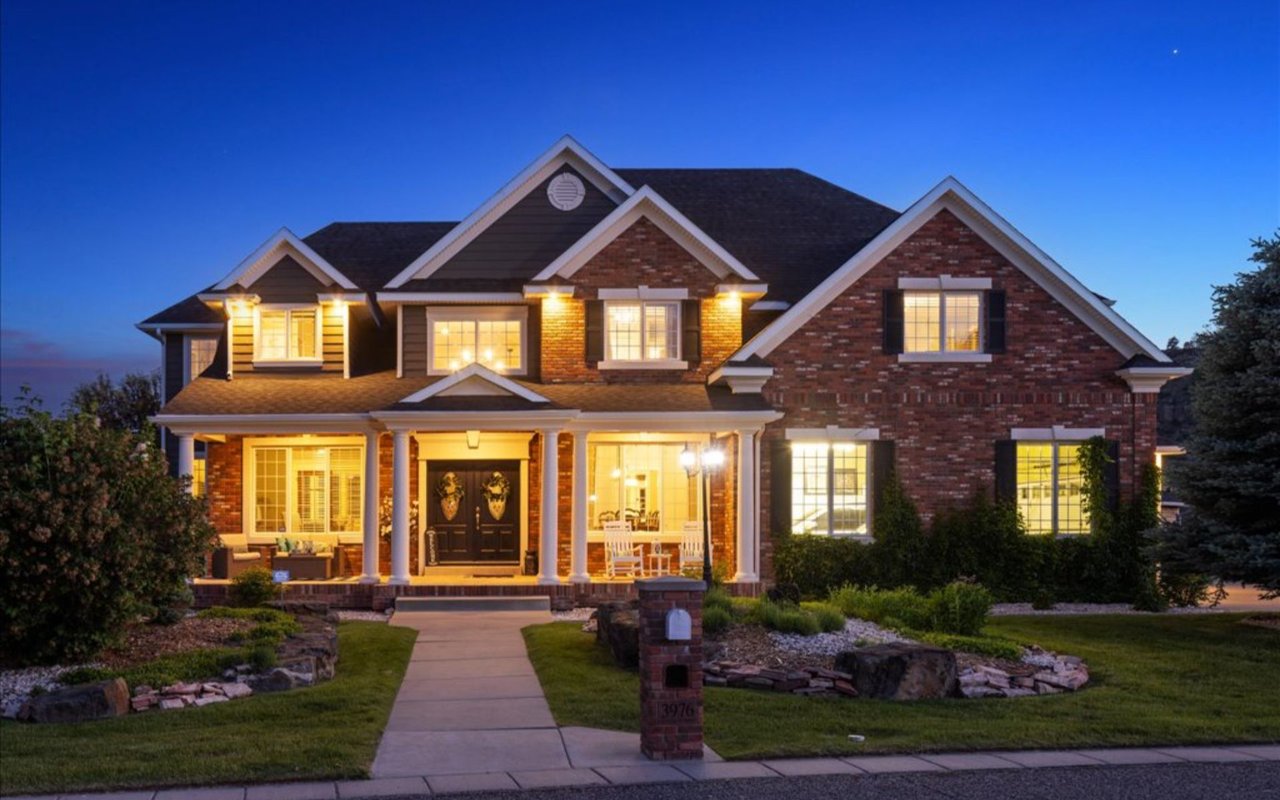
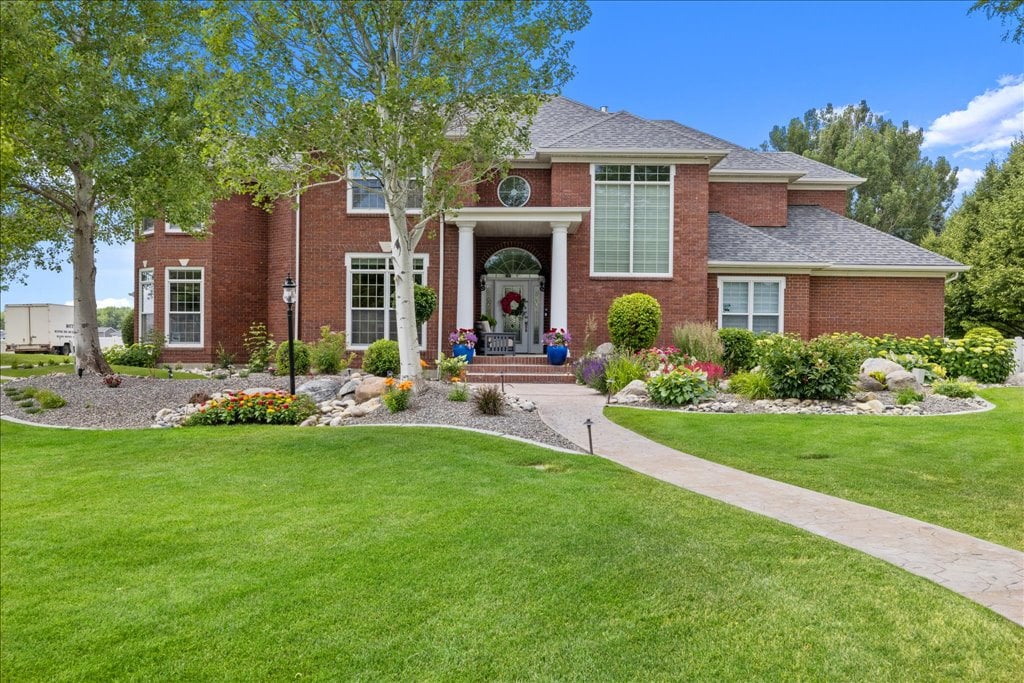
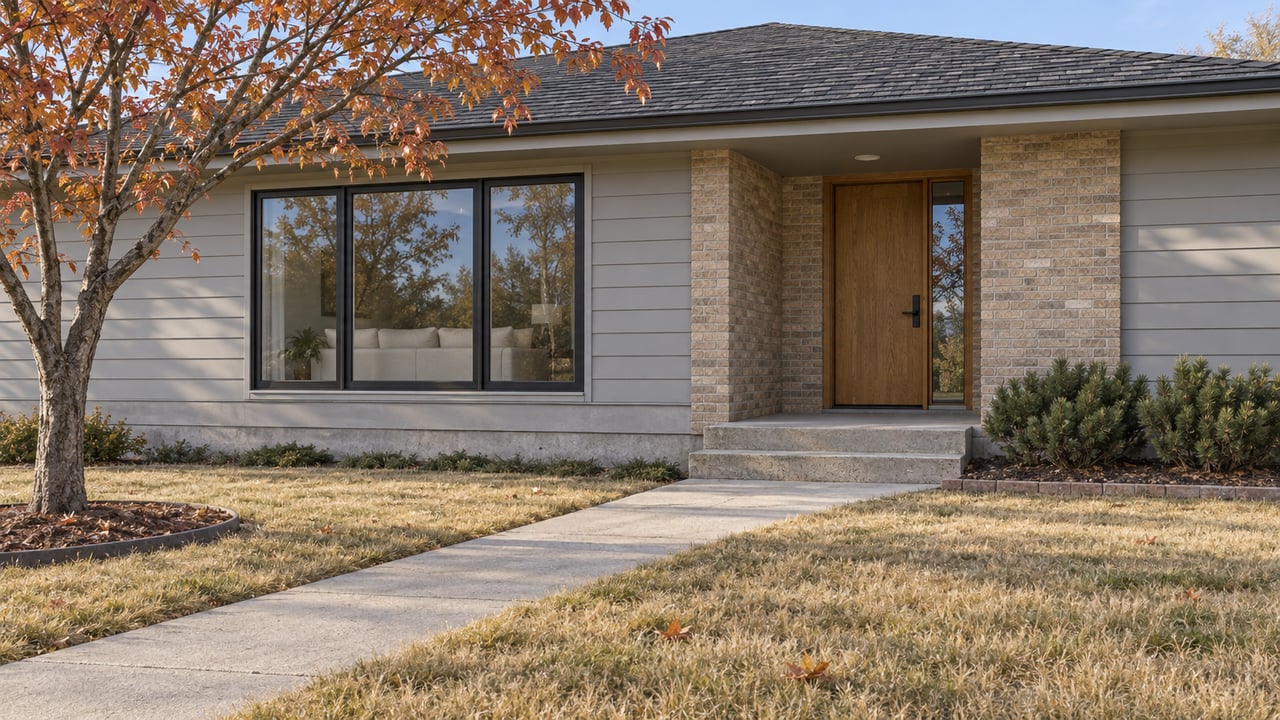
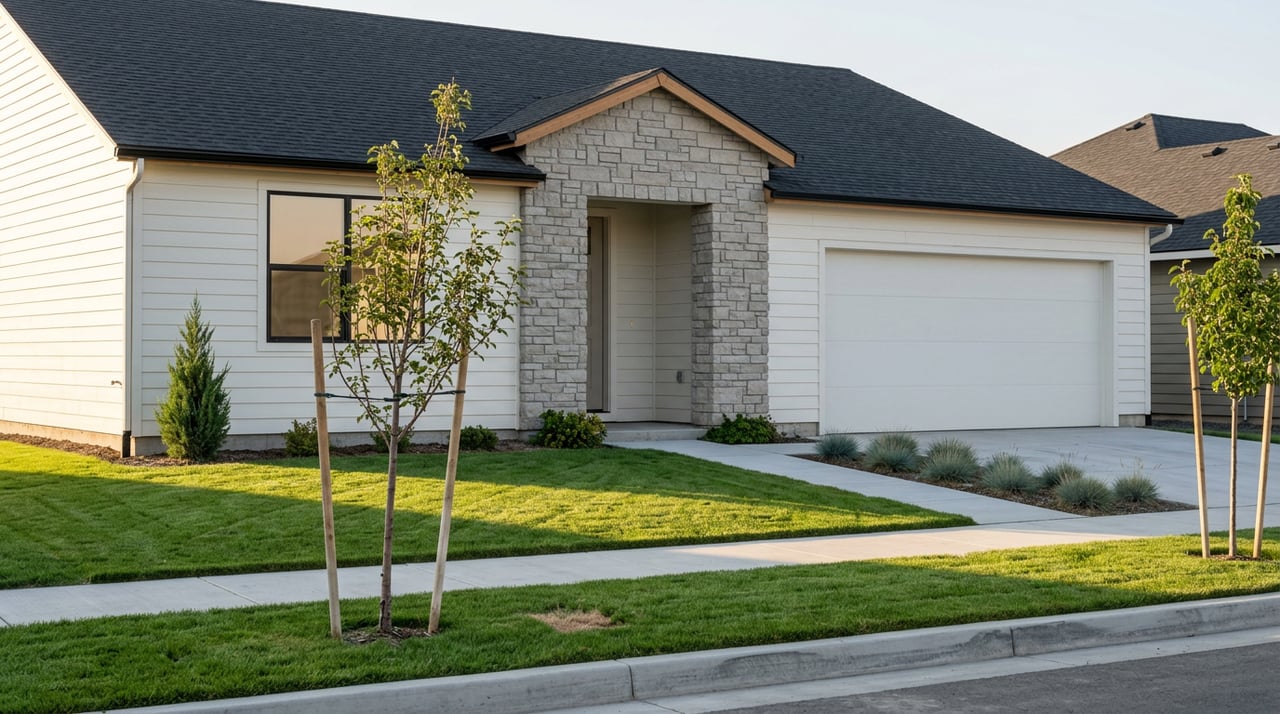
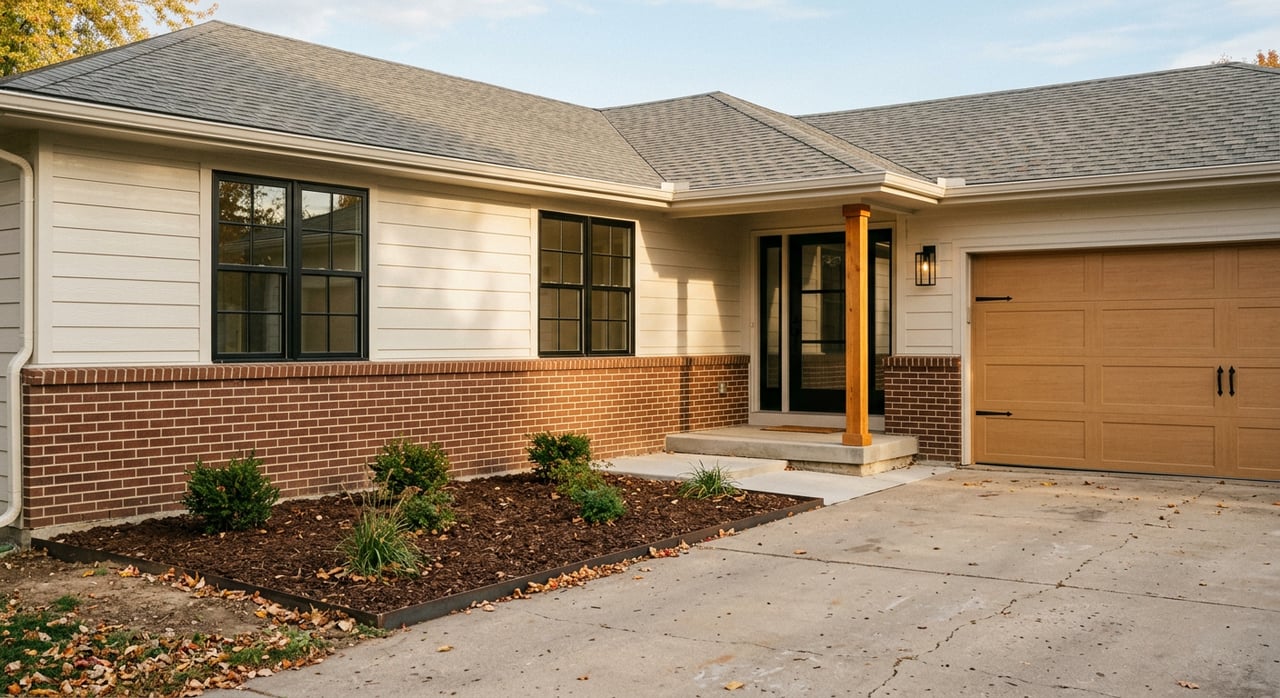
- Single-Family Detached Homes (Dominant): Ranging from modest 1950s-1970s ranchers to newer construction. Many feature railroad-era materials repurposed into residential construction. Lot sizes typically larger than urban Billings, offering yard space for families.
- Historic Homes: Downtown area and older neighborhoods contain early 1900s craftsman-style homes and bungalows from railroad boom era. Some feature unique architectural details and mature landscaping.
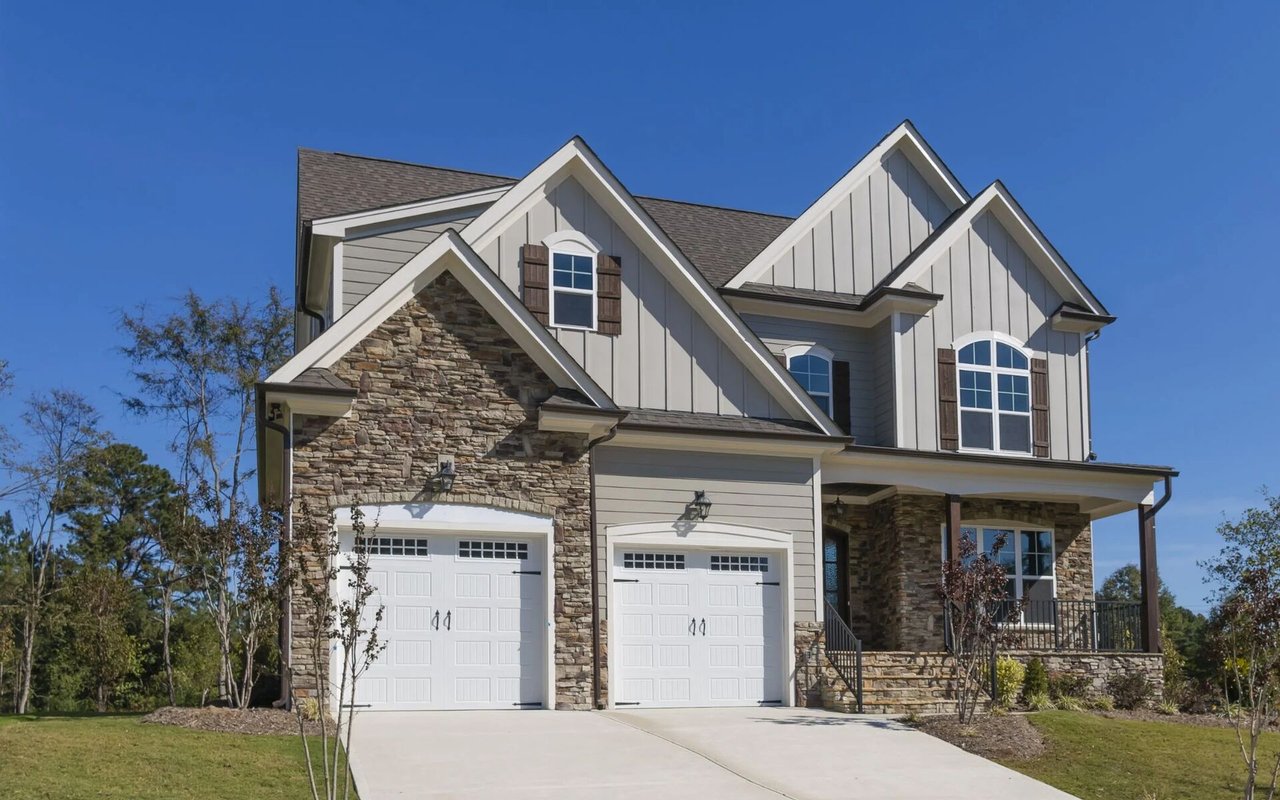
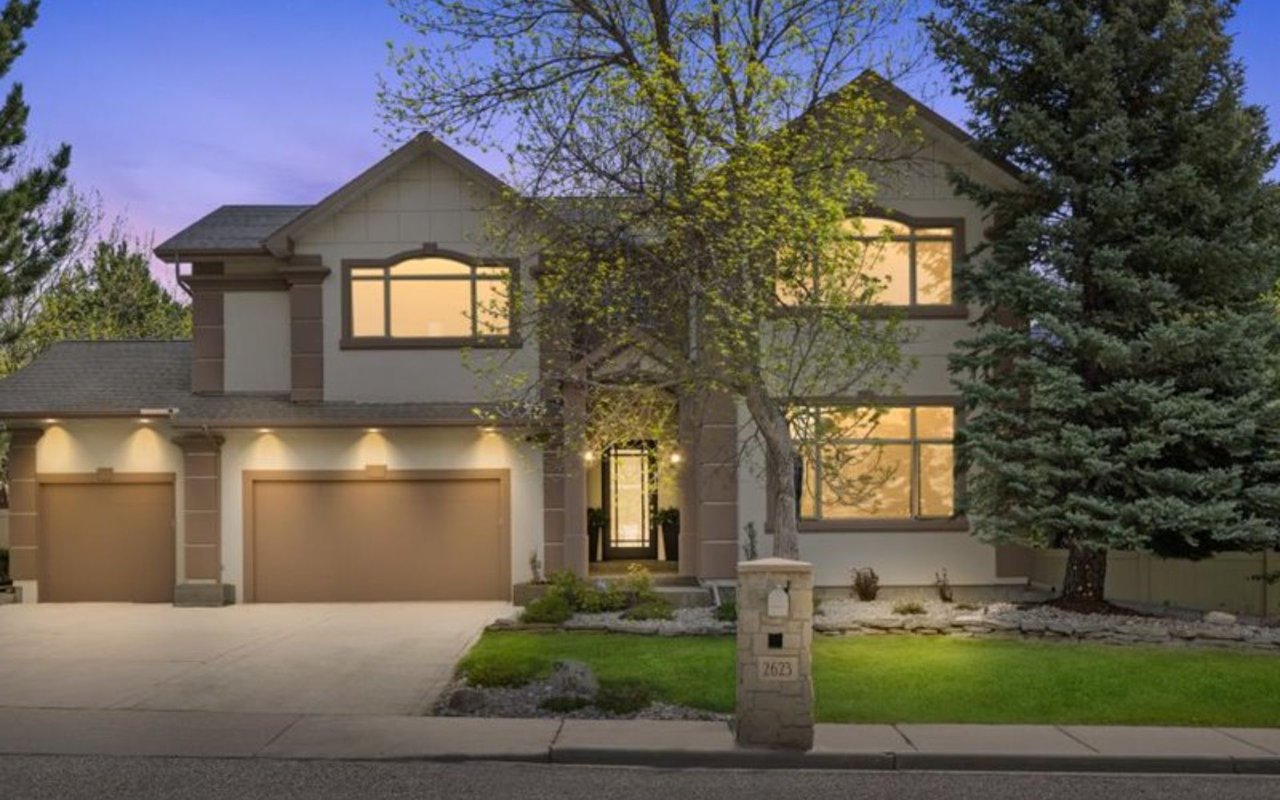
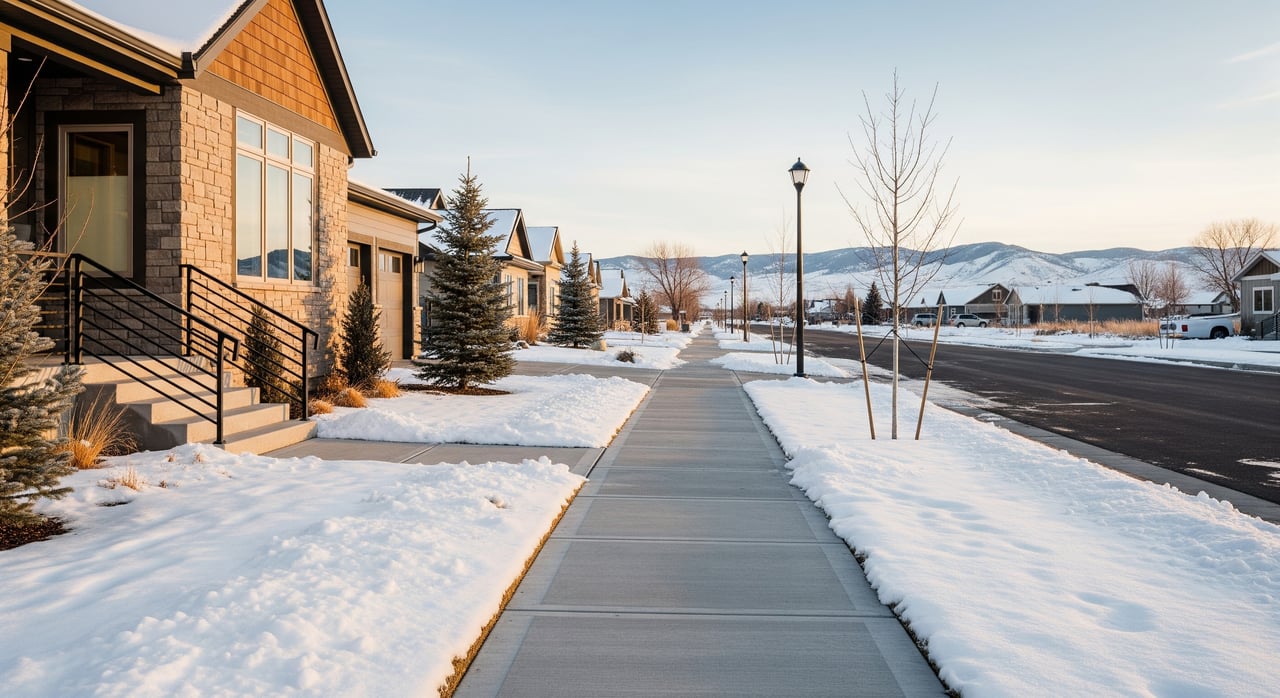
- Newer Subdivisions: Recent development includes contemporary single-family homes in subdivisions like Cherry Hills, Beartooth Pointe Estates, and Brookwood, offering modern floor plans and energy efficiency.
- Manufactured/Mobile Homes: Present throughout the community, providing affordable entry points into homeownership.
- Multi-Family: Limited apartment complexes and duplexes, primarily serving renters. Rental stock represents roughly 38.8% of market based on non-family household percentage.
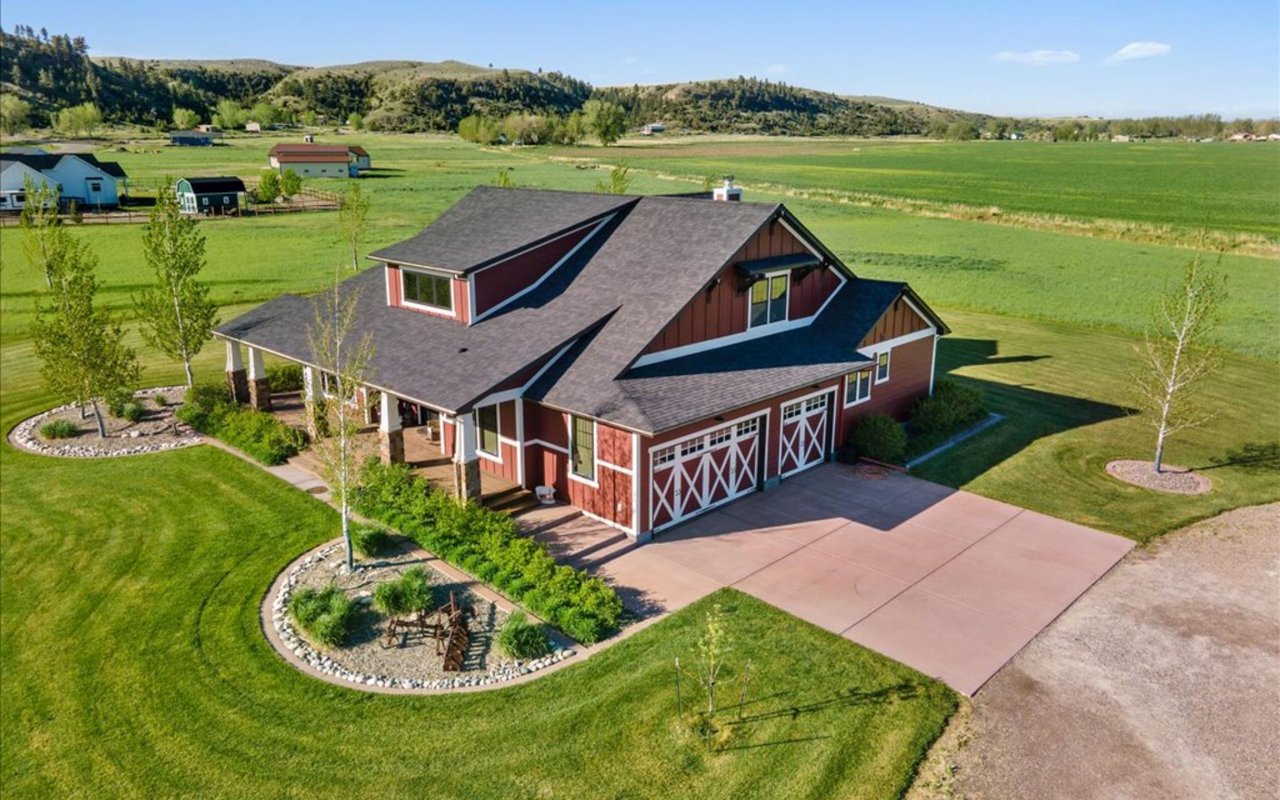
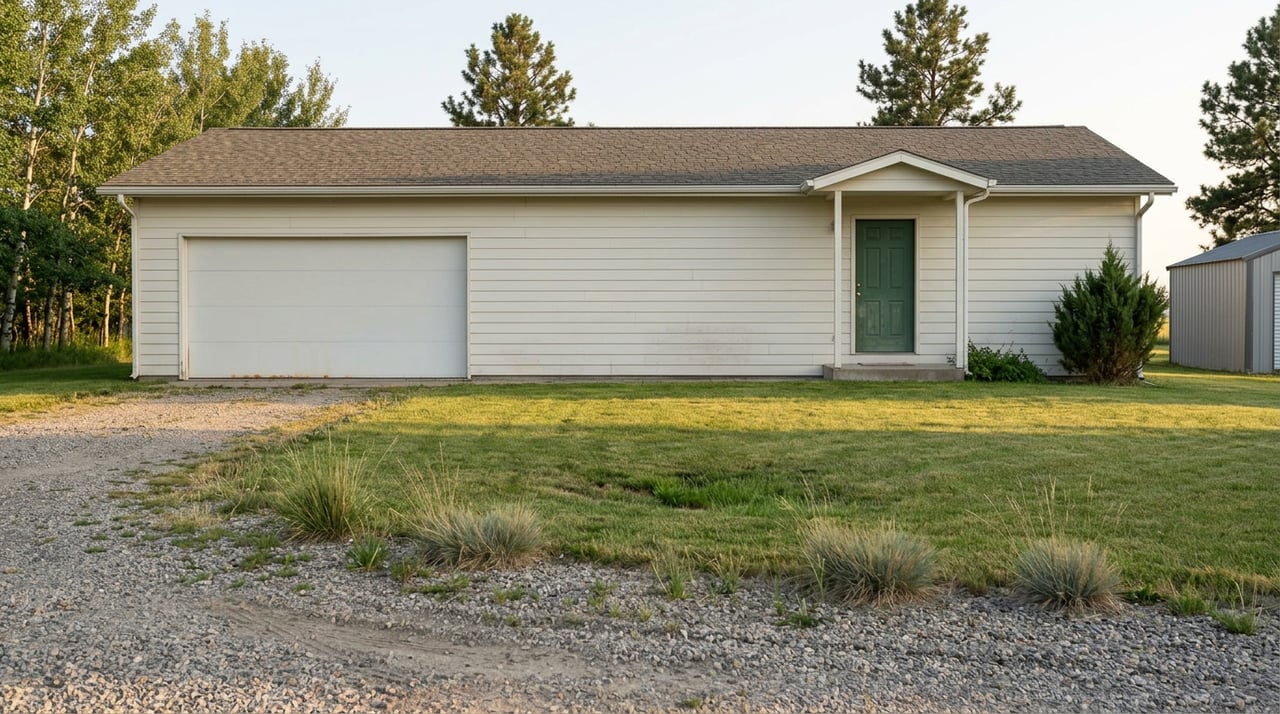
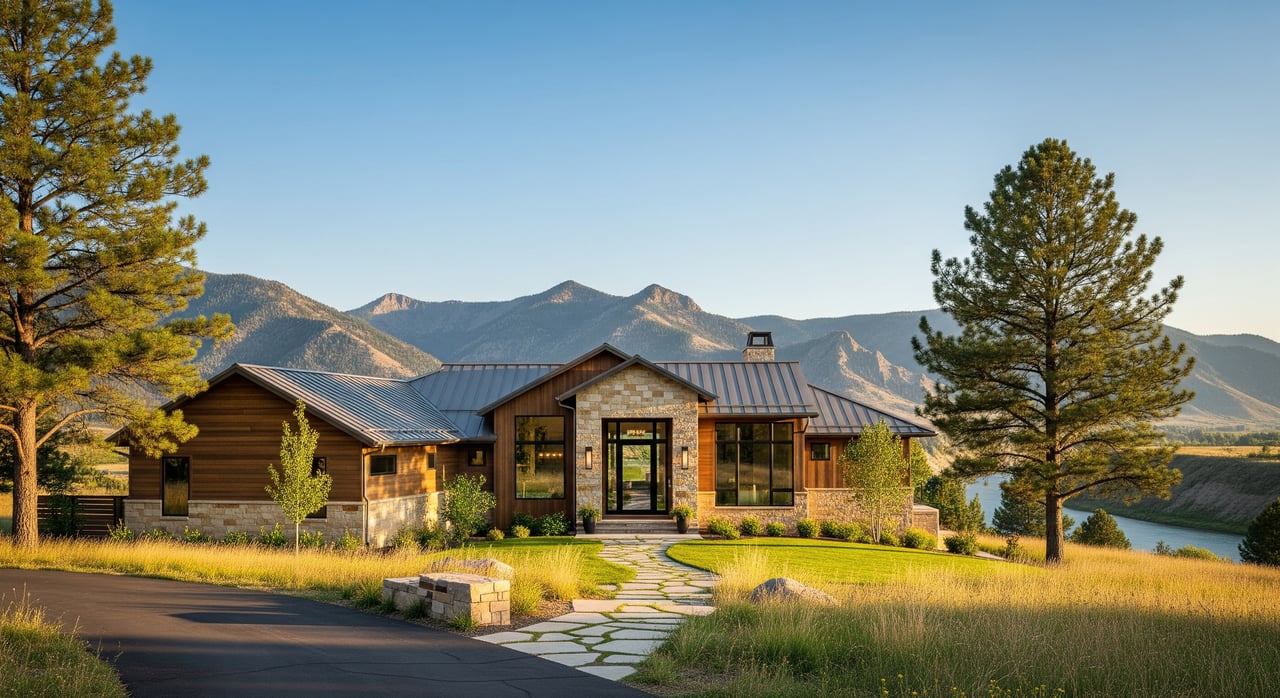
- Rural Properties: Surrounding Laurel area offers acreage properties, small ranches, and hobby farms with Yellowstone River access or mountain views.
- Condominiums/Townhouses: Very limited supply compared to single-family options.
The housing stock emphasizes practicality over luxury, with solid construction and functional layouts. Properties near the railroad yards may experience noise from rail operations. Homes closer to Yellowstone River command premiums for recreational access.
Buying in Laurel, MT
- Railroad Proximity: Laurel straddles Montana's largest rail yard. Properties near the 2.5-mile wedge between East Main Street and Shannon Road experience significant train noise and vibration. Verify distance from tracks and assess noise tolerance before purchasing.
- Refinery Considerations: Cenex Harvest States Refinery dominates the south side of town. Some properties may experience industrial odors depending on wind patterns. Verify property location relative to prevailing winds.
- Flood Risk: Properties near the Yellowstone River and Clarks Fork River require flood zone verification. The Yellowstone floods annually in spring with snowmelt. Buffalo Mirage Fishing Access and riverside properties need flood insurance evaluation.
- Commute to Billings: Many Laurel residents commute 15 miles east to Billings for employment. Factor commute time (typically 20-25 minutes via I-90) and fuel costs into housing decisions. Winter weather can impact highway conditions.
- School Quality: Laurel schools rank in bottom 50% of Montana schools overall, with Laurel High School showing 26% math proficiency and 45% reading proficiency (below state averages). Families prioritizing education should research schools thoroughly. However, student-teacher ratios (15:1) are favorable, and some families appreciate the tight-knit community atmosphere.
- Property Age & Condition: Many homes date from mid-20th century railroad expansion. Expect potential updates needed for electrical, plumbing, HVAC, and insulation. Some homes feature railroad salvage materials requiring specialized knowledge for repairs.
- Water Quality: Verify well water quality for properties not on city water. Some rural areas rely on individual wells.
- Billings Bench Water Association Canal: The canal starts in Laurel and provides irrigation. Properties with water rights have agricultural/gardening advantages.
- Limited Shopping & Services: Laurel has basic services but residents often travel to Billings for major shopping, specialized medical care, and entertainment. A Walmart Supercenter has improved local retail options.
- Recreation Access: Properties near Riverside Park, Thomson Park, Buffalo Mirage Fishing Access, or with Yellowstone River frontage command premiums for fishing and outdoor access.
- Small-Town Dynamics: Laurel's population of 7,251 means everyone knows everyone. Privacy-seeking buyers should consider whether small-town social dynamics fit lifestyle preferences.
Selling in Laurel, MT
- Pricing Strategy: Laurel sits in Billings' shadow for pricing. Properties must be competitively priced against Billings options while emphasizing affordability advantages, small-town character, and outdoor access. Overpricing drives buyers to Billings' larger inventory.
- Buyer Demographics: Target commuters seeking affordability (largest segment), railroad/refinery employees seeking proximity to work, outdoor enthusiasts wanting Yellowstone River access, families seeking small-town schools, and retirees downsizing from larger Montana cities.
- Seasonality: Spring and summer favor sellers when outdoor recreation advantages shine and highway access is optimal. Winter buyers are more serious but fewer in number. Late spring (April-May) ideal for listings when river fishing heats up and summer outdoor appeal is evident.
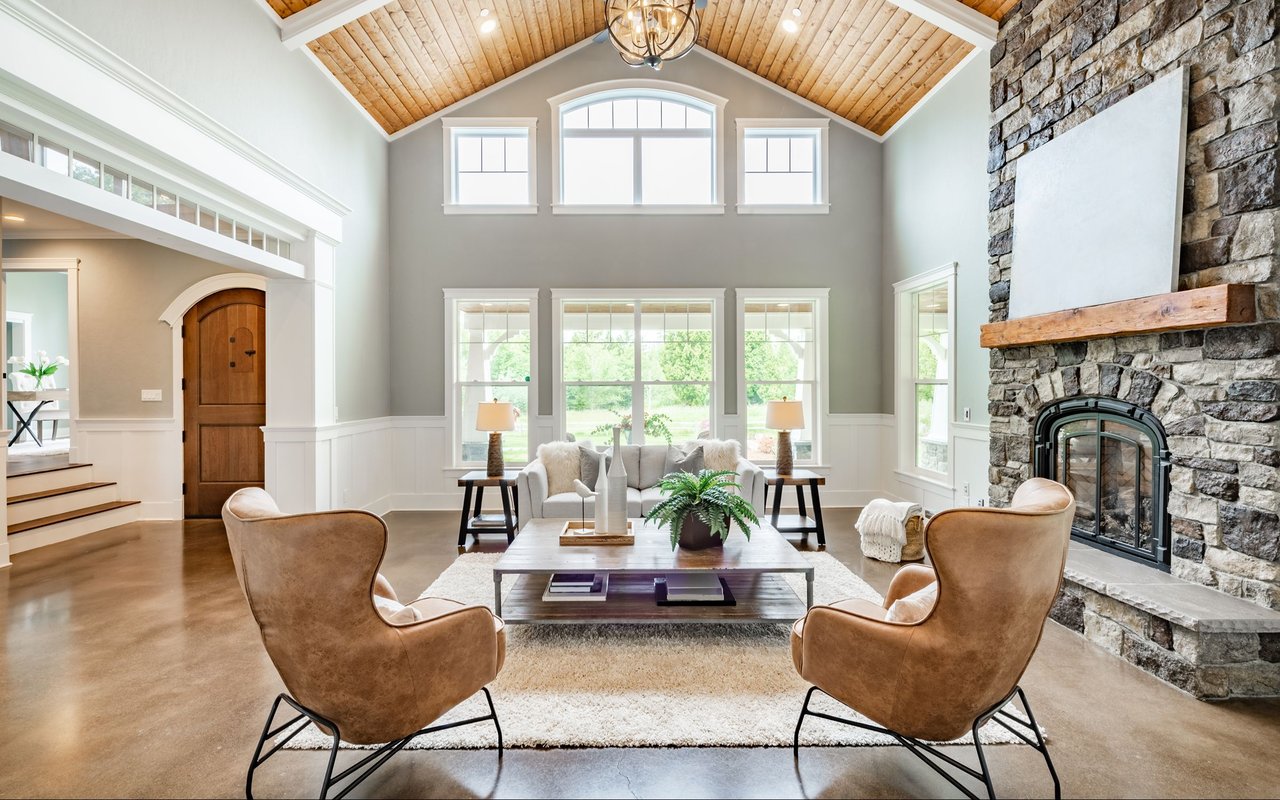
- Condition & Updates: Buyers expect move-in ready or significant discount for needed work. Updated kitchens, bathrooms, energy-efficient windows, and modern HVAC systems yield best returns. Many competing properties are dated, so updated homes stand out.
- Highlight Location Advantages: Emphasize 15-minute Billings commute, Yellowstone River proximity, gateway to Beartooth Highway/Red Lodge, blue-ribbon fishing access, and lower cost of living. These differentiate Laurel from Billings proper.
- Address Railroad/Refinery Concerns: Properties near railroad yards or refinery require honest disclosure and pricing that reflects location challenges. Emphasize economic stability these employers provide.
- Photography & Marketing: Professional photos showcasing outdoor spaces, river access, mountain views, and small-town character essential. Highlight unique features like railroad heritage materials, mature trees, large lots.
- Staging: Keep it simple and clean. Emphasize functional spaces, storage, and outdoor living areas. Avoid over-personalizing—let buyers envision their lifestyle.
- School District Transparency: Be upfront about school performance data. Families will research regardless. Emphasize positive aspects (tight-knit community, small class sizes, high parental involvement, strong sports programs).
- Timing with Employment: Railroad and refinery hiring/layoff cycles may impact buyer pools. Stay aware of major employer changes.
Dining and Entertainment
Laurel offers family-friendly dining and small-town entertainment, with Billings' diverse options just 15 minutes away:
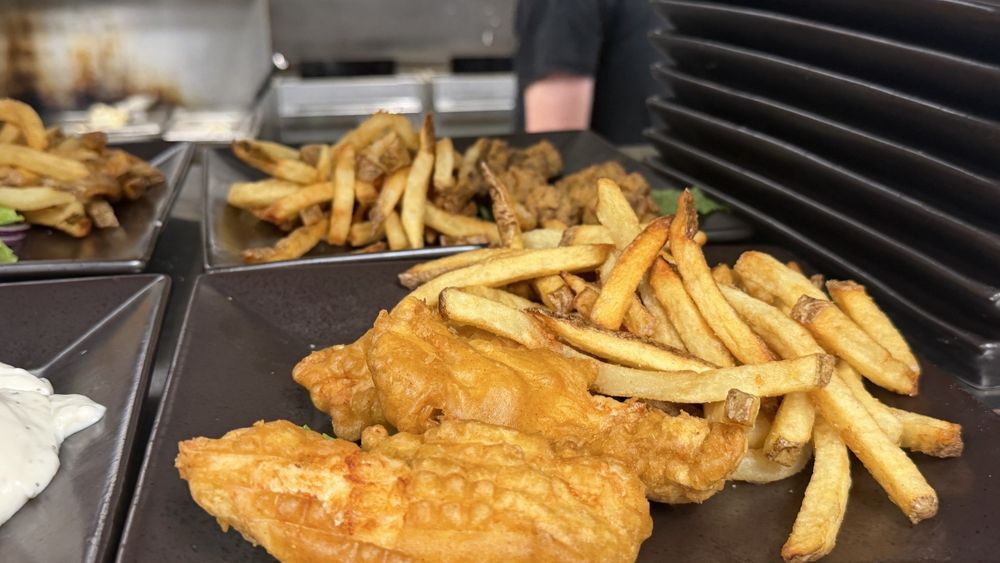
- Local Restaurants: Several family restaurants serve American comfort food. Popular spots include local diners for breakfast and lunch, pizza places, and casual eateries. Specific favorites mentioned by locals include establishments with steaks, burgers, and homestyle cooking.
- Fast Food & Chains: Standard fast-food options and chain restaurants available, including presence near I-90 for traveler convenience.
- Bars & Nightlife: Several taverns feature casino-style keno and poker machines. Night clubs offer billiards and dancing to live bands. More subdued bar atmosphere than Billings but adequate for small-town socializing.
- Bowling: Bowling alley provides family entertainment and league play.
- Casinos: Multiple establishments feature casino gaming (keno, poker machines, video poker) integrated into bars and taverns.
- Microbrewery: Local microbrewery offers craft beer and community gathering space.
- Coffee & Cafés: Limited compared to larger cities, but local options exist for morning coffee and casual meetings.
- Proximity to Billings: Residents frequently drive 15 miles east to access Billings' extensive dining scene including fine dining (Walker's Grill, Jake's Downtown), breweries (Montana Brewing Company, Angry Hank's), and international cuisine (Thai, Mexican, Brazilian). This proximity provides big-city dining options while maintaining small-town living.
- Community Events: The Laurel Volunteer Fire Department hosts Montana's largest free fireworks display on July 4th, attracting 5,000-10,000 people annually from across the state and Wyoming. Christmas parade followed by fireworks display also draws regional attendance.
Parks and Recreation
Laurel's recreation centers on the Yellowstone River and proximity to world-class outdoor opportunities:
- City Parks (15+ parks): Riverside Park (camping, fishing, Yellowstone River access, picnic areas, horseshoe pits), Thomson Park, Lions Family Park, Kiwanis Park (community-built playground, picnic areas, basketball court, entertainment for all ages), Firemen's Park (hosts July 4th festival, Chief Joseph monument), Firemen's Memorial Park, Veterans Park, Alder Park, Cherry Hills Park, Emma Murray Park, Mayor's Park, Murray Heights Park, Nutting Park, Rotary Park, Russell Park, Soccer Field Park. Parks offer camping, fishing, tennis courts, basketball courts, skateboarding, playgrounds, and swimming.
- Fishing Access: Buffalo Mirage Fishing Access provides Yellowstone River entry for world-class trout fishing. Cooney Dam offers additional fishing opportunities. The Bighorn River (one hour south) provides legendary trout fishing. Blue-ribbon fishing within minutes of town.
- Golf: Laurel Golf Club (private 18-hole course opened 1968, new clubhouse built 2023). Disc golf course also available.
- Sports Complex: State-level competition facility hosts regional basketball tournaments (District 5-C boys' and girls' tournaments in February), American Legion Baseball Tournament, and various youth sports. The stadium lights are Laurel's tallest structure.
- Youth Sports Programs: Excellent offerings through schools and city recreational organizations including football, basketball, fast-pitch softball, Little League baseball, soccer, cross-country, track, volleyball, and wrestling.
- Fitness: Fitness center with pool provides indoor recreation options.
- Nearby Recreation (Within 1 Hour): Beartooth Wilderness (hiking, backpacking, camping), Beartooth Highway scenic drive (access via Red Lodge 45 miles south), blue-ribbon trout fishing on multiple rivers, skiing/snowboarding, horseback riding, national forest access, hunting (abundant opportunities for deer, elk, upland birds).
- Day Trip Access: Yellowstone National Park (114 miles southwest), Bighorn Canyon National Recreation Area (dramatic canyon walls, Yellowtail Reservoir boating), Little Bighorn Battlefield (77 miles east), Pompeys Pillar (40 miles east).
- Indoor Recreation: Bowling alley for family entertainment and league play.
The Yellowstone River flowing through town provides the recreational backbone—fishing, floating, kayaking, and riverside trails make water sports accessible year-round (conditions permitting).
Local Culture
Laurel embodies authentic Montana railroad town culture with strong community identity:
- Railroad Heritage: The railroad defines Laurel's past, present, and identity. Montana Rail Link employs significant workforce. High school mascot is the "Locomotives." Railroad materials appear in homes throughout town. Welcome caboose displays Northern Pacific logos. Residents speak with pride about railroad history and ongoing operations.
- Working-Class Values: The railroad and refinery workforce creates blue-collar culture emphasizing hard work, practical problem-solving, and self-reliance. No pretense—people value authenticity and directness.
- Small-Town Community: Population of 7,251 means genuine small-town dynamics where everyone knows everyone. High parental involvement in schools. Strong volunteer culture (evidenced by volunteer fire department's legendary fireworks display). Community events bring the town together.
- Outdoor Recreation Lifestyle: Fishing isn't a hobby—it's a way of life. Yellowstone River access and proximity to wilderness areas make outdoor recreation integral to local culture. Hunting, fishing, camping, and hiking are weekend norms.
- Family-Oriented: Sports programs, youth activities, and family-friendly events dominate community life. High school sports draw significant community support—Locomotives games are major social events.
- Western Heritage: Ranching and agricultural roots remain visible. Western wear common. Rodeo culture appreciated though not as dominant as railroad identity.
- Bedroom Community Aspects: Many residents commute to Billings for work, creating some suburban character while maintaining rural small-town feel. This blend creates unique dynamics—access to Billings opportunities while preserving Laurel's distinct identity.
- Community Pride: Residents fiercely proud of Laurel's heritage, Fourth of July celebration, and tight-knit community. "Go Locomotives!" spirit extends beyond high school sports to general community identity.
- Quiet, Slower Pace: Life moves slower than Billings. Less traffic, less hustle, more time for neighbors and family. This appeals to those seeking refuge from urban stress.
- Montana Values: Independence, neighborliness, and connection to land define local ethos. People help each other but respect privacy and self-sufficiency.
Schools and Education
Laurel operates independent school districts serving the community:
- Public Schools: Laurel Elementary School District (grades PK-8, 1,272-1,445 students, 4 schools) and Laurel High School District (grades 9-12, 609-642 students, 1 school). Total public enrollment approximately 1,900-2,100 students.
- Elementary Schools: Fred W. Graff School, South School, and West School serve K-8 students. Schools generally receive mixed reviews with some parents praising dedicated teachers and community atmosphere, others citing concerns about bullying and varying teacher quality.
- Middle School: Laurel Middle School serves middle grades with proximity to high school campus.
- Laurel High School: Founded 1893, serving 609 students with 15:1 student-teacher ratio. The school ranks in bottom 50% of Montana schools overall with academic performance below state averages: 26% math proficiency (vs. 37% state), 45% reading proficiency (vs. 46% state), 27% science proficiency (vs. 36% state). Graduates average 140 students per spring class. Average ACT score 23, average SAT 1180, graduation rate 87%. AP participation rate 19%.
- School Rankings: Laurel High School ranks #58 within Montana (out of 93 high schools), #11,643 nationally. The district ranks 147 out of 227 Montana districts with 2-star SchoolDigger rating.
- Student Demographics: 91.1% white, 3.7% Hispanic, 2.5% Native American, minimal other demographics. About 32% economically disadvantaged. 18% reduced lunch eligibility.
- Strengths: Small class sizes allow personalized attention. Tight-knit community creates strong relationships between students, teachers, and families. Excellent sports programs (football, basketball, wrestling, track, volleyball). Strong school spirit and community support. Good extracurricular activities including speech, drama, and debate. The school hosts divisional competitions.
- Challenges: Academic performance lags state averages. Some students report bullying issues not adequately addressed by administration. College readiness preparation could be stronger—students request more ACT prep and college-focused coursework. Limited course offerings compared to larger schools. Some dated facilities and equipment.
- Parent & Student Reviews: Mixed feedback. Positive comments cite caring teachers, safe environment, strong community bonds, and preparation for life beyond school. Negative feedback mentions bullying concerns, inconsistent administration, lack of college readiness focus, and need for facility updates.
- Private Schools: Limited private school options within Laurel. Yellowstone Valley Christian School serves some families. Some parents commute children to Billings private schools.
- Higher Education Access: Montana State University-Billings and Rocky Mountain College in Billings (15 miles) provide local higher education options. Many graduates attend these institutions or Montana State University in Bozeman, University of Montana in Missoula, or Carroll College in Helena.
- School Motto: "Locomotive Strong - Be responsible, be respectful, be a graduate."
Families should carefully research schools and visit campuses. While academic metrics lag, many families value the small-town atmosphere, sports programs, and community involvement that Laurel schools provide.
Commute and Accessibility
Laurel's strategic location provides excellent regional connectivity:
- Interstate 90: Direct I-90 access provides east-west corridor connection. Billings lies 15 miles east (20-25 minute commute), Bozeman 140 miles west, Butte 220 miles west, Missoula 340 miles west. Winter weather can impact highway conditions—snow tires and winter driving skills essential.
- US Highway 212: Runs south from Laurel to Red Lodge (45 miles, one hour) where it becomes the spectacular Beartooth Highway climbing to 10,947 feet elevation before descending into Yellowstone's northeast entrance. This scenic route is a major recreational gateway but closes in winter (typically October-May).
- Main Street/Montana Avenue: Primary east-west thoroughfare through downtown parallel to railroad tracks. Standard small-town traffic patterns—minimal congestion except during shift changes at refinery or peak commute times.
- Billings Commute: Approximately 15 miles east via I-90. Most commuters report 20-25 minutes in good weather. Many Laurel residents work in Billings, making this the most common daily commute. Some reverse commute—Billings residents working at Laurel refinery or railroad.
- Public Transit: Demand-Response Service available to city residents. Van Pool service to Billings helps commuters. However, car ownership essential for most residents. No traditional bus routes or public transit network.
- Laurel Municipal Airport: Publicly owned, public-use airport 2.4 miles north of central business district. Serves private aviation only—no commercial service.
- Commercial Air: Billings Logan International Airport (BIL) provides commercial flights, located approximately 25-30 miles northeast of Laurel via I-90 and airport connector roads.
- Railroad: BNSF (Montana Rail Link) freight service only. No passenger rail. The massive rail yard is the economic engine but doesn't serve passenger needs.
- Walkability: Downtown Laurel walkable for basic errands. However, town layout and Montana climate make car dependence reality. Sidewalks present in residential areas but winter snow/ice maintenance varies.
- Cycling: Flat terrain suitable for cycling. However, limited dedicated bike infrastructure. Some residents bike commute in warm months, but weather and highway concerns limit year-round cycling.
- Regional Access: Yellowstone National Park (114 miles southwest), Little Bighorn Battlefield (77 miles east), Red Lodge/Beartooth Highway (45 miles south), Fort Peck (295 miles northeast), Glacier National Park (350+ miles northwest). Laurel truly serves as "Hub of Montana" for accessing diverse attractions.
- Winter Considerations: I-90 maintained as priority corridor but can close during severe winter storms. Always carry winter emergency kit in vehicle. Black ice common on overpasses. Allow extra commute time November-March.
Most Coveted Streets & Estates
Due to Laurel's small size and working-class character, "coveted" is relative compared to larger cities. However, certain areas command premiums:
- Yellowstone River Frontage: Any property with direct Yellowstone River access or significant river frontage commands substantial premium. Fishing access, boating, and natural beauty make these rare properties highly desirable. Properties near Buffalo Mirage Fishing Access particularly valued.
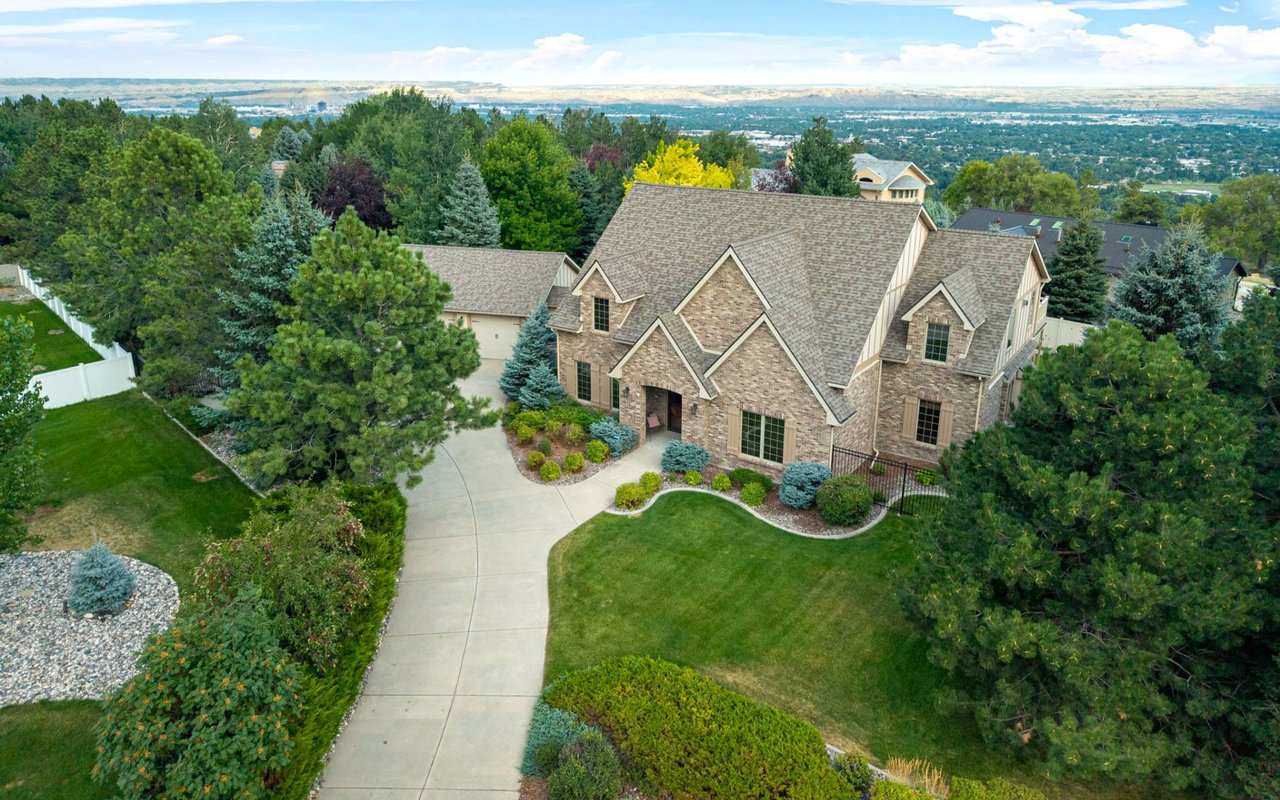
- Cherry Hills Neighborhood: Newer subdivision development with contemporary homes, larger lots, and family-friendly atmosphere. Represents higher-end Laurel housing.
- Beartooth Pointe Estates: Another newer development with modern construction and appealing to buyers seeking updated homes versus historic stock.
- South Side Near Golf Course: Properties near Laurel Golf Club attract golf enthusiasts and offer quieter setting away from railroad noise.
- Downtown Historic District: Select restored historic homes along Main Street and older residential streets appeal to those appreciating architectural character and walkable downtown access. These homes often feature craftsman details and mature landscaping.
- North Side Residential: Neighborhoods furthest from railroad yards and refinery offer quieter living while maintaining town amenities. Reduced industrial impact makes these areas desirable for families with young children.
- Acreage Properties: Rural properties surrounding Laurel with 5-40+ acres, mountain views, and privacy command premiums from those seeking space and Montana lifestyle while maintaining town proximity.
- Properties Near Parks: Homes within walking distance of Riverside Park, Kiwanis Park, or other major parks appeal to families and outdoor enthusiasts.
- West Side Development: Newer construction on town's west end away from older railroad-centric core attracts buyers wanting modern amenities.
Notably, Laurel doesn't have "estates" in traditional luxury sense. The most expensive properties are typically riverfront acreages, newer construction in desirable subdivisions, or well-updated historic homes rather than McMansions or luxury developments.
Why People Love Laurel
Residents and newcomers consistently cite these factors:
- Authentic Small-Town Atmosphere: Population of 7,251 provides genuine small-town living where neighbors know each other, community events matter, and life moves at slower pace. Escape from urban anonymity without sacrificing access to city amenities.
- Affordability: Median home prices and housing costs significantly below Billings while maintaining 15-minute proximity. Cost of living index of 88.7 (vs. 100 US average) makes homeownership and comfortable living more accessible. No Montana sales tax adds to savings.
- Railroad Heritage & Character: Unique identity as Montana's railroad hub creates distinctive character. Residents take pride in railroad history, Montana Rail Link operations, and "Locomotives" community identity. Not generic suburban sprawl—authentic working town with real history.
- Yellowstone River Access: World-class blue-ribbon trout fishing minutes from home. River recreation (fishing, floating, kayaking) is lifestyle, not vacation activity. Buffalo Mirage Fishing Access and multiple river entry points make this accessible to all residents.
- Gateway to Recreation: One hour or less to Beartooth Wilderness, Beartooth Highway, Red Lodge skiing, Bighorn River fishing, and hunting. Two hours to Yellowstone National Park. Living in Laurel means living at the doorstep of legendary outdoor recreation.
- Economic Stability: Montana Rail Link and Cenex Harvest States Refinery provide solid employment base. Diversified economy (railroad, refinery, agriculture, Billings commuters) creates resilience. Low unemployment (2.1%) reflects job security.
- Billings Proximity: Best of both worlds—small-town living with big-city access. Fifteen minutes to Billings shopping, dining, healthcare (Level I Trauma Centers), entertainment, and employment while maintaining Laurel's distinct character and affordability.
- Family-Friendly Community: Excellent youth sports programs, community events (legendary July 4th fireworks), safe neighborhoods, and small schools where kids aren't lost in crowd. High parental involvement and strong community support for children.
- Tight-Knit Community: Volunteer fire department, community-built playgrounds, regional event hosting (District 5-C basketball), and "everyone knows everyone" dynamics create genuine community bonds. People help each other during hardships.
- Quality of Life: Less traffic, less stress, cleaner air (refinery notwithstanding), quieter nights, safer streets, and more time for family and outdoor pursuits. The 133-day growing season supports vegetable gardens. Room to breathe.
- Western/Montana Lifestyle: Authentic working Montana town—not tourist trap or vacation community. Real people, real work, real Montana values of independence, self-reliance, and connection to land.
- July 4th Celebration: Montana's largest free fireworks display draws regional pride. The event epitomizes community spirit and brings 5,000-10,000 people annually, creating shared identity and tradition.
- No Pretense: What you see is what you get. Working-class values, honest people, straightforward communication. Those tired of superficiality appreciate Laurel's authenticity.