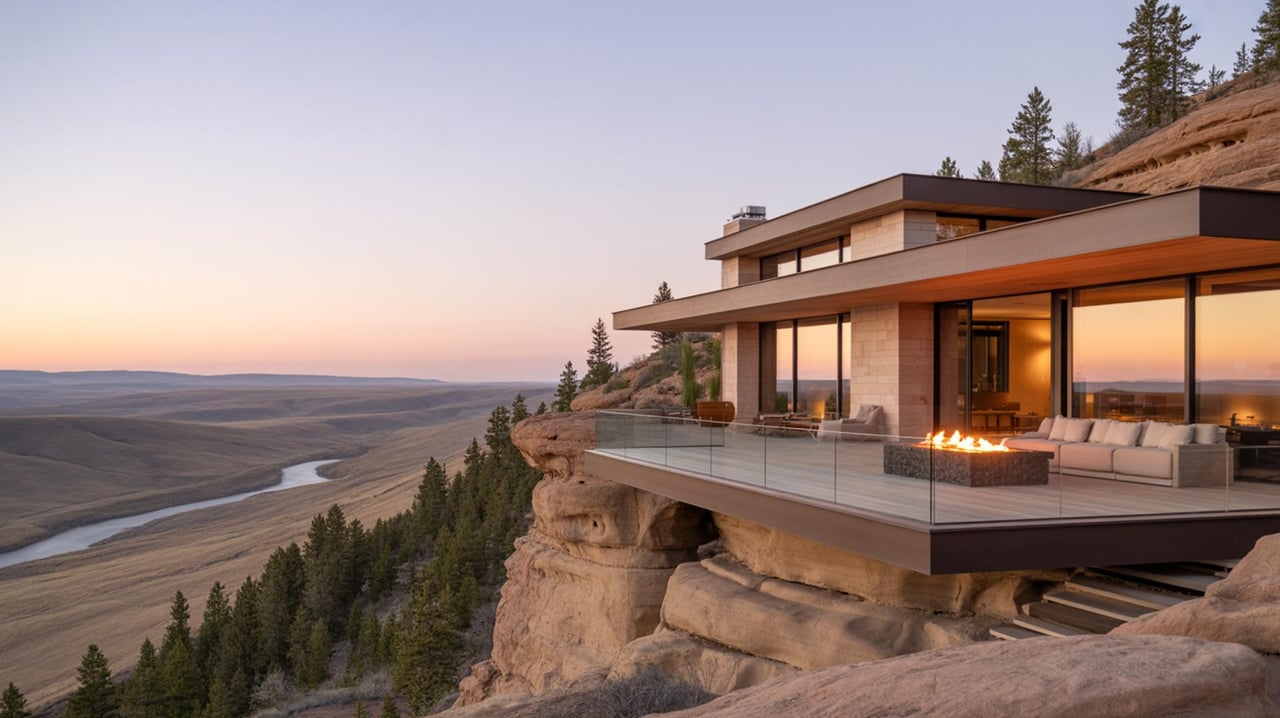
Welcome to Billings, MT
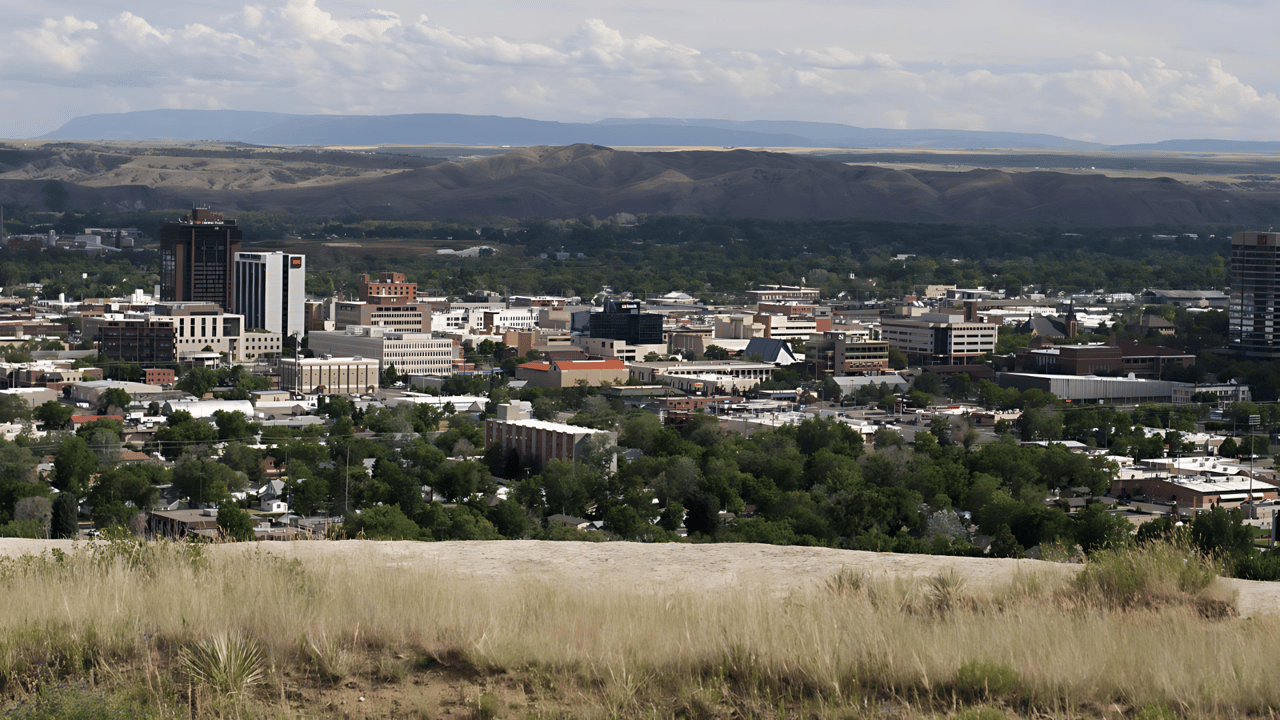
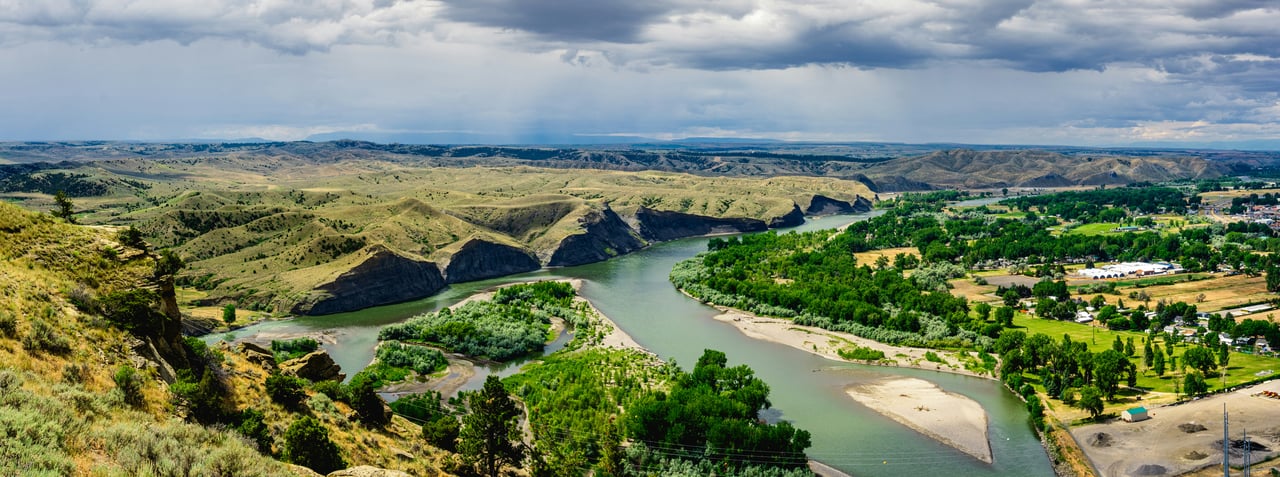
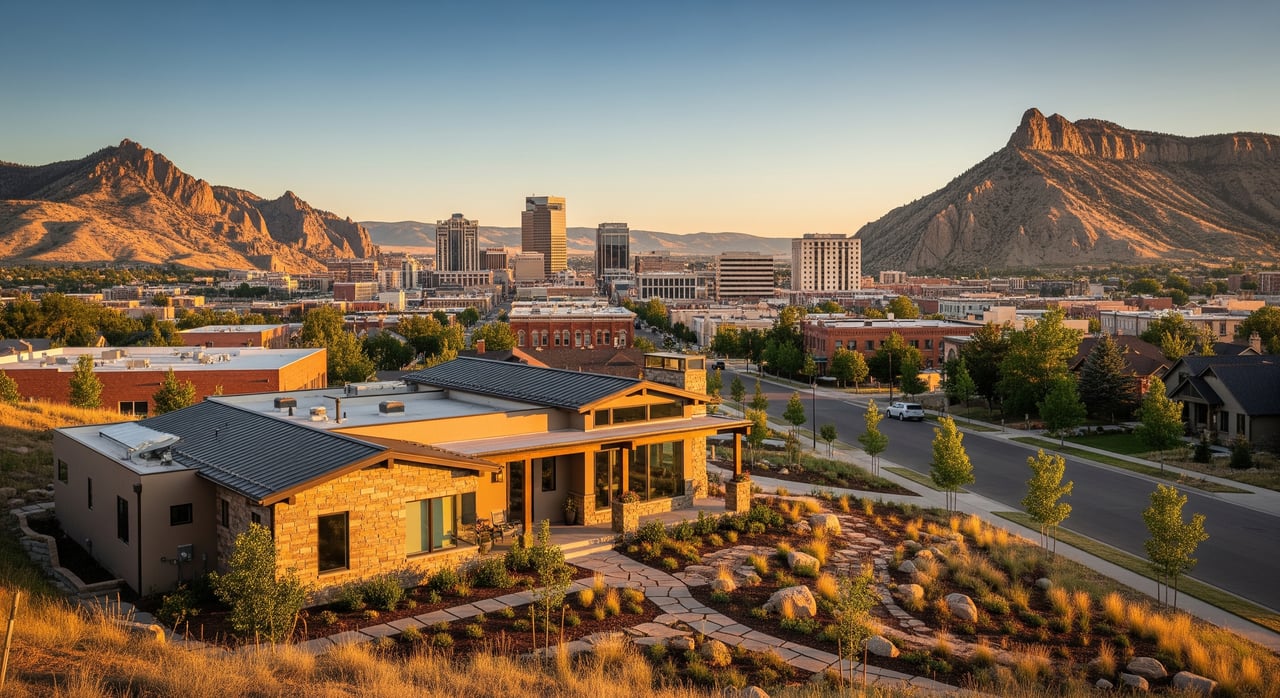
Billings is Montana's largest city with a population of 121,483 as of 2025. The city blends urban convenience with Western heritage, situated in the Yellowstone River Valley and surrounded by the iconic sandstone Rimrocks. Known as the "Magic City" for its rapid growth from railroad origins in 1882, Billings serves as the economic and trade hub for a vast region spanning Montana, Wyoming, and the Dakotas.
The population is predominantly white (86.3%), with a median age of 38 and median household income of $71,855. Families represent 58% of households, while individuals and roommates make up 42%. The city attracts young professionals, growing families, and retirees drawn by outdoor recreation, affordable living compared to larger metros, and a strong local economy driven by healthcare, energy, agriculture, and tourism.
Billings offers distinct neighborhoods: the culturally diverse South Side with historic South Park, the upscale West End characterized by upper-income households and new development like Shiloh Crossing and Josephine Crossing, Midtown undergoing significant gentrification, the Heights (predominantly residential northeast of the Rimrocks), and Downtown featuring a walkable brewery district and small businesses.
History
Billings was founded in March 1882 by the Northern Pacific Railway, named after railroad president Frederick Billings. The railroad platted the town two miles northwest of the existing settlement of Coulson, which quickly faded as residents moved to the new railroad hub.
By the end of 1883, 400 canvas tents and crude buildings lined the streets. The city earned its "Magic City" nickname from its explosive growth—developers claimed to have erected false facades on tents to attract railroad investment, though the name more likely reflects how quickly the town materialized once the railroad arrived.
Early growth centered around Montana Avenue north of the tracks (civic buildings, courthouse, library, churches) and the south side (industrial development, stockyards). Frequent fires convinced developers to invest in masonry structures starting in the 1890s, transitioning from frontier false-fronts to brick buildings like the 1893 Yukon Bar and the ornate L&L and Covington buildings (1895).
The homesteading boom brought impressive structures including the Parmly Billings Memorial Library (1901). The Bakken and Heath Shale oil discoveries in the 2000s provided another economic boom. Recent downtown renaissance projects include the LEED Platinum MET Transit Center (2010), Skypoint (2002), and restoration of historic buildings, leading to Billings' designation as a Preserve America Community in 2007.
Location & Geography
Billings occupies 43.4 square miles in south-central Montana, serving as the seat of Yellowstone County. Two-thirds of the city lies in the Yellowstone Valley and South Hills area, one-third in the Heights-Lockwood area.
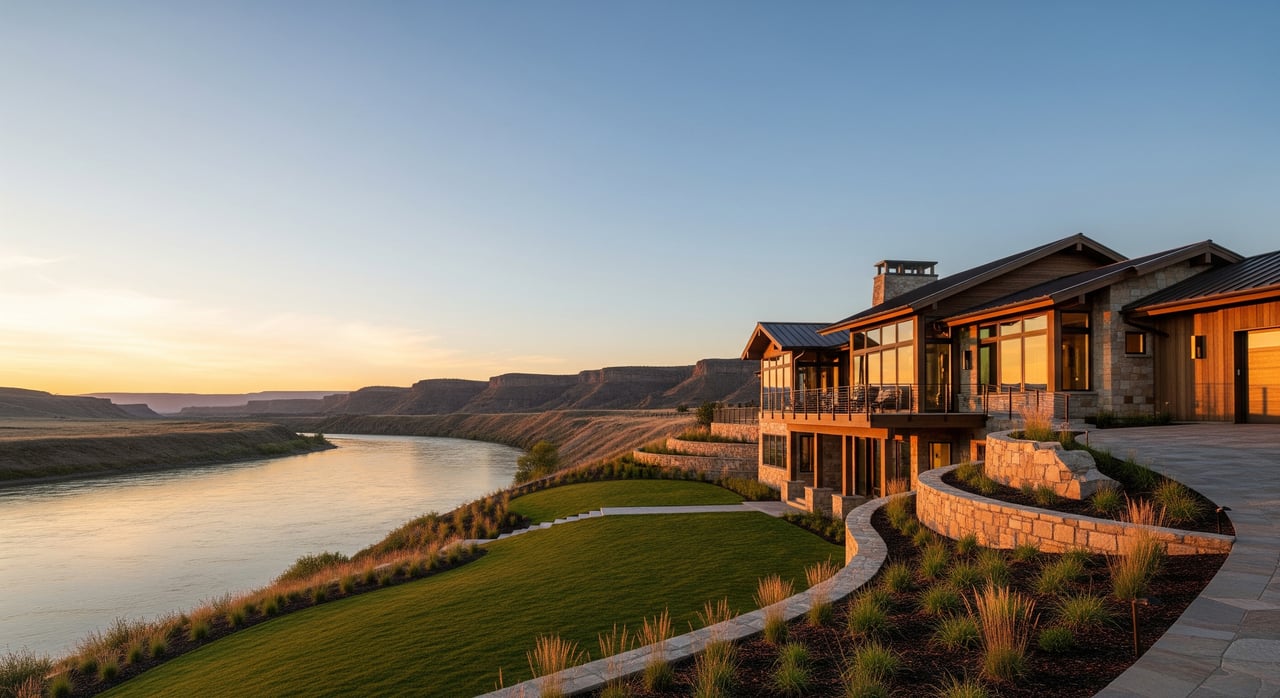
The Yellowstone River flows through the city, carving a canyon that defines the valley geography. The Rimrocks—towering sandstone cliffs—encircle much of the city, separating the Heights from Downtown and providing dramatic natural boundaries.
Billings sits approximately 100 miles north of Yellowstone National Park, 550 miles east of Seattle, 850 miles northwest of Denver, and serves as a regional hub with one of the largest trade areas in the United States (over 125,000 square miles).
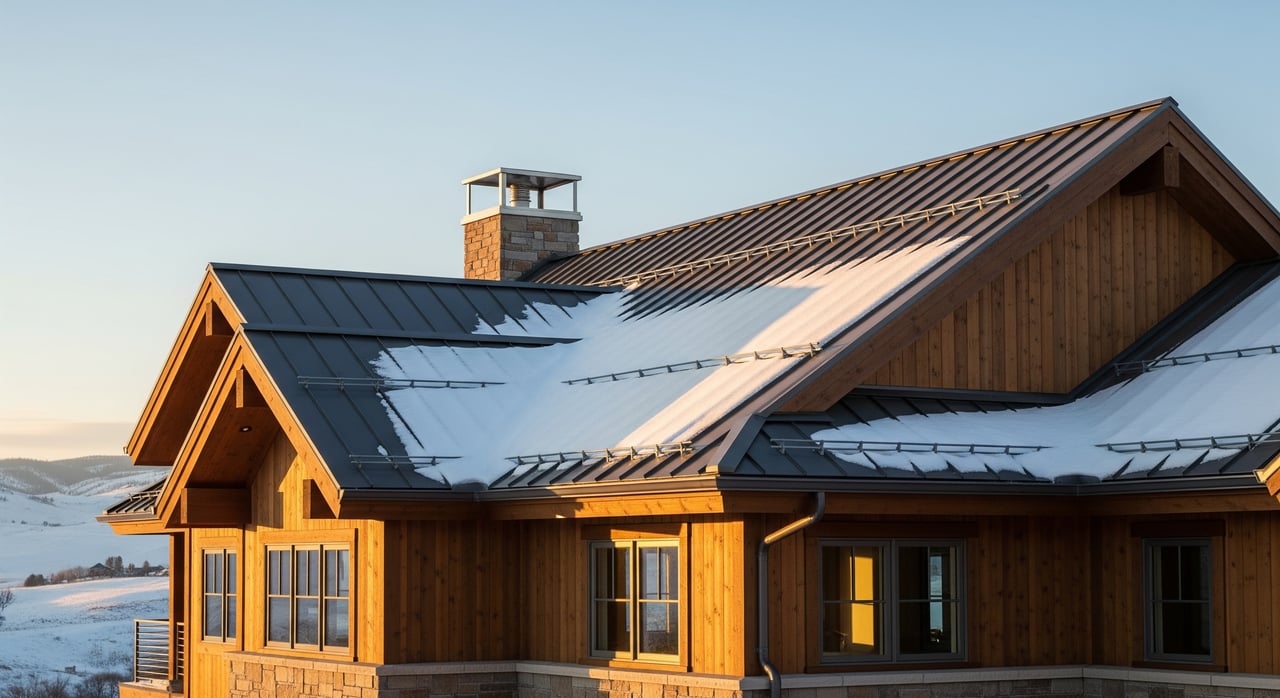
The climate features hot summers with increasing extreme heat days (currently 7 days over 95°F annually, projected to reach 15 days in 30 years) and cold winters with wind chills reaching 30 below zero. The semi-arid climate provides 300 days of sunshine annually with minimal precipitation.
Natural surroundings include the Absaroka-Beartooth Wilderness and Custer National Forest to the south and west, offering 700+ miles of trails and 1,000 alpine lakes. The terrain transitions from river valley to plateau to mountains within a short drive.
Real Estate Market Snapshot
As of late 2024/early 2025, Billings' housing market shows mixed signals trending toward buyer favor:
- Median Home Prices: Conflicting data sources report median prices ranging from $278,726 to $393,958, with most recent credible sources citing $350,000-$351,000 (October 2025 data showing 7.6% year-over-year decrease from Redfin).
- Inventory Trends: Active listings increased 33.3% from January to February 2025, with 150-169 homes selling monthly. Inventory growth represents a significant shift from the tight market conditions of previous years.
- Days on Market: Homes average 62 days on market (down from 69 days last year), with most homes selling within 11 days according to some March 2024 data. The extended timeframe of 62-109 days gives buyers leverage in negotiations.
- Market Conditions: The market favors buyers in early 2025. 17.4% of listings saw price drops, and no houses sold above list price. This contrasts with seller-dominated conditions in mid-2024.
- Appreciation Trends: Long-term appreciation remains strong despite recent cooling. Five-year growth has been significant. Forecasts predict modest 1.2% growth through September 2025, with potential for 0.1-0.4% quarterly increases.
- Buyer Market: More inventory, less competition, negotiation opportunities. Sellers need strategic pricing and proper staging to attract offers.
Types of Homes Available
Billings offers diverse housing options across 53,537 units citywide:
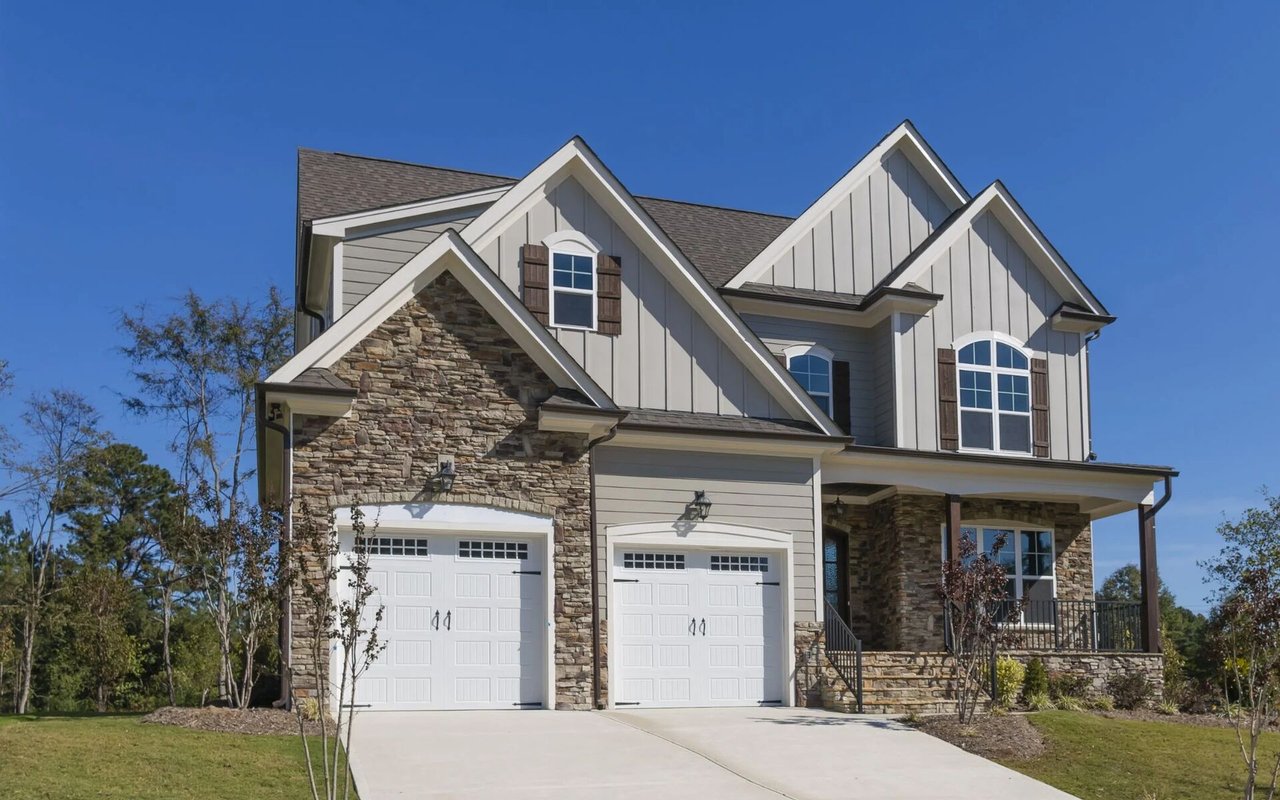
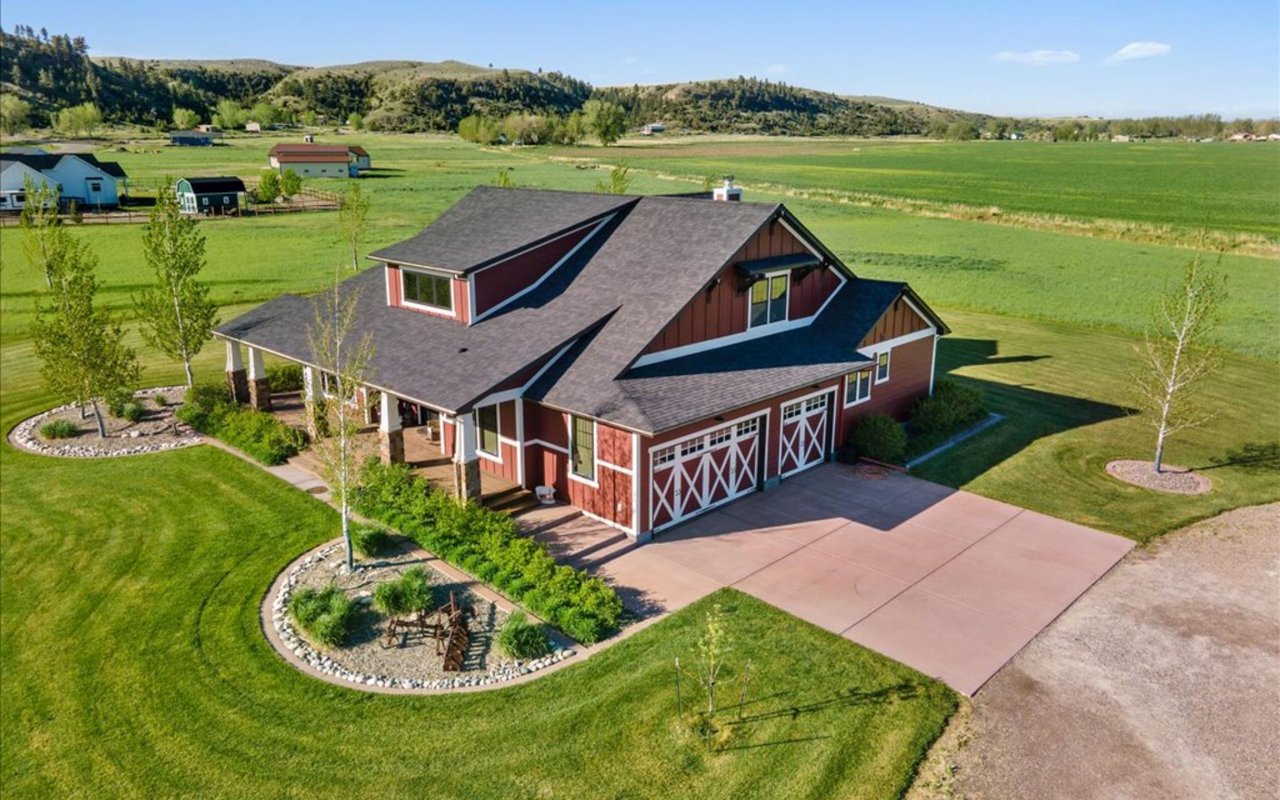
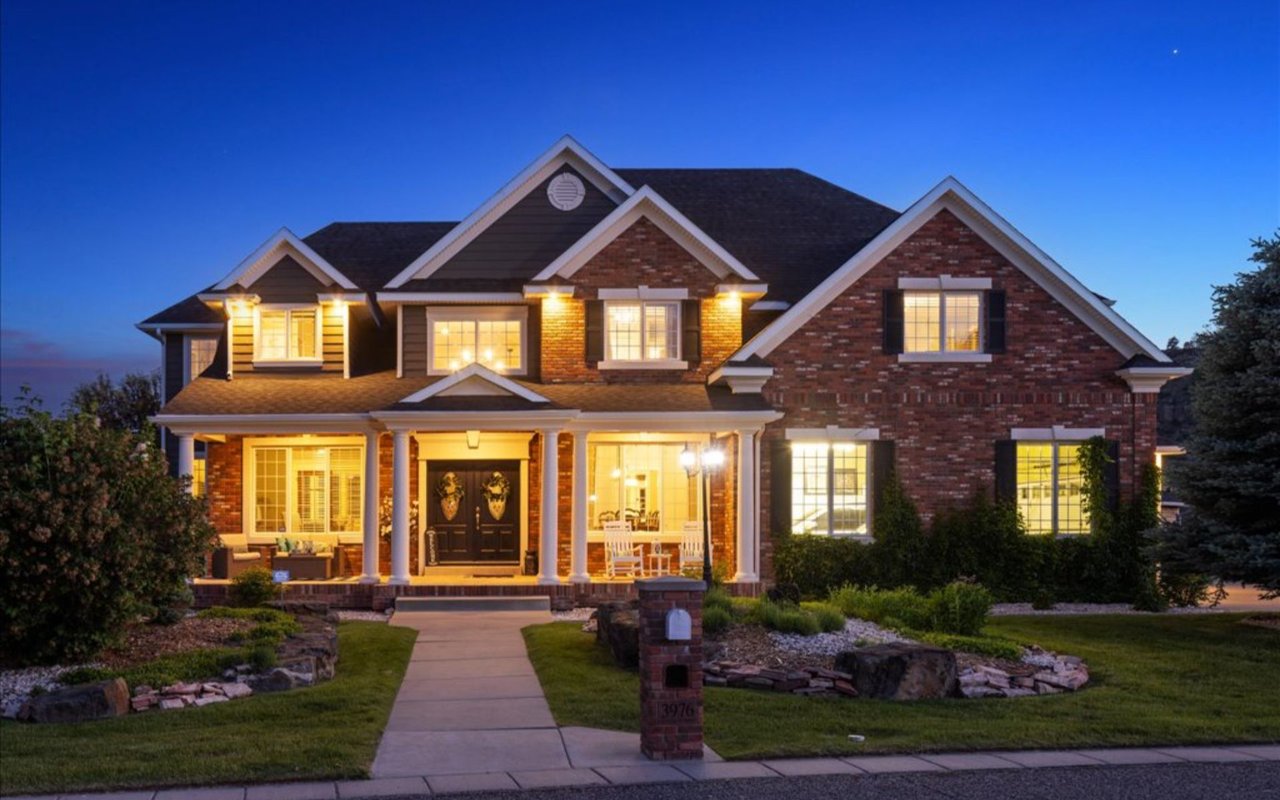
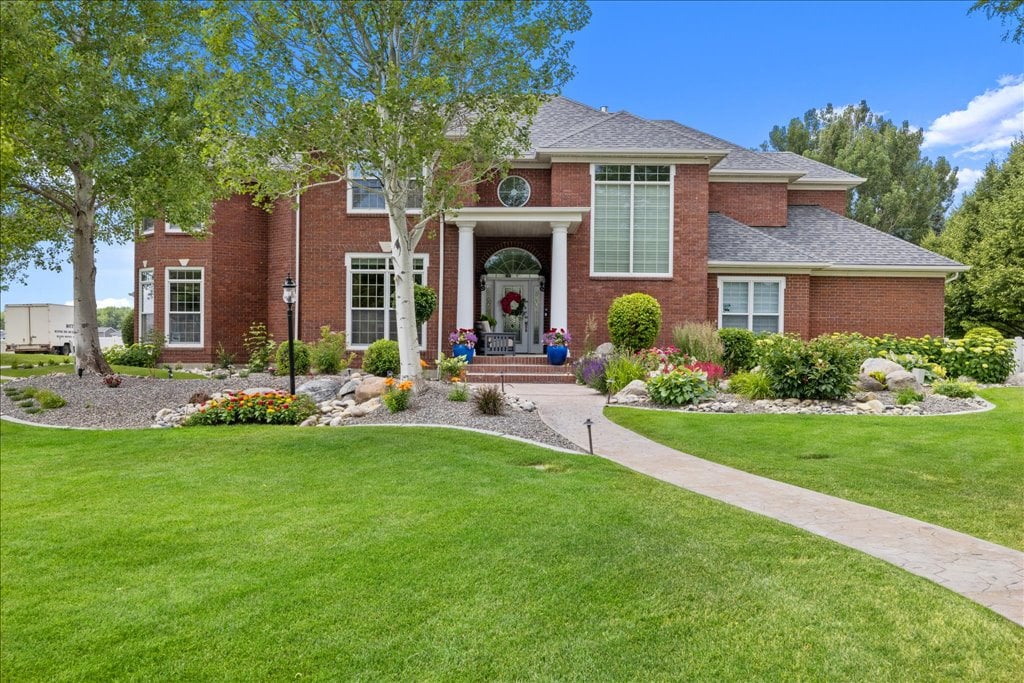
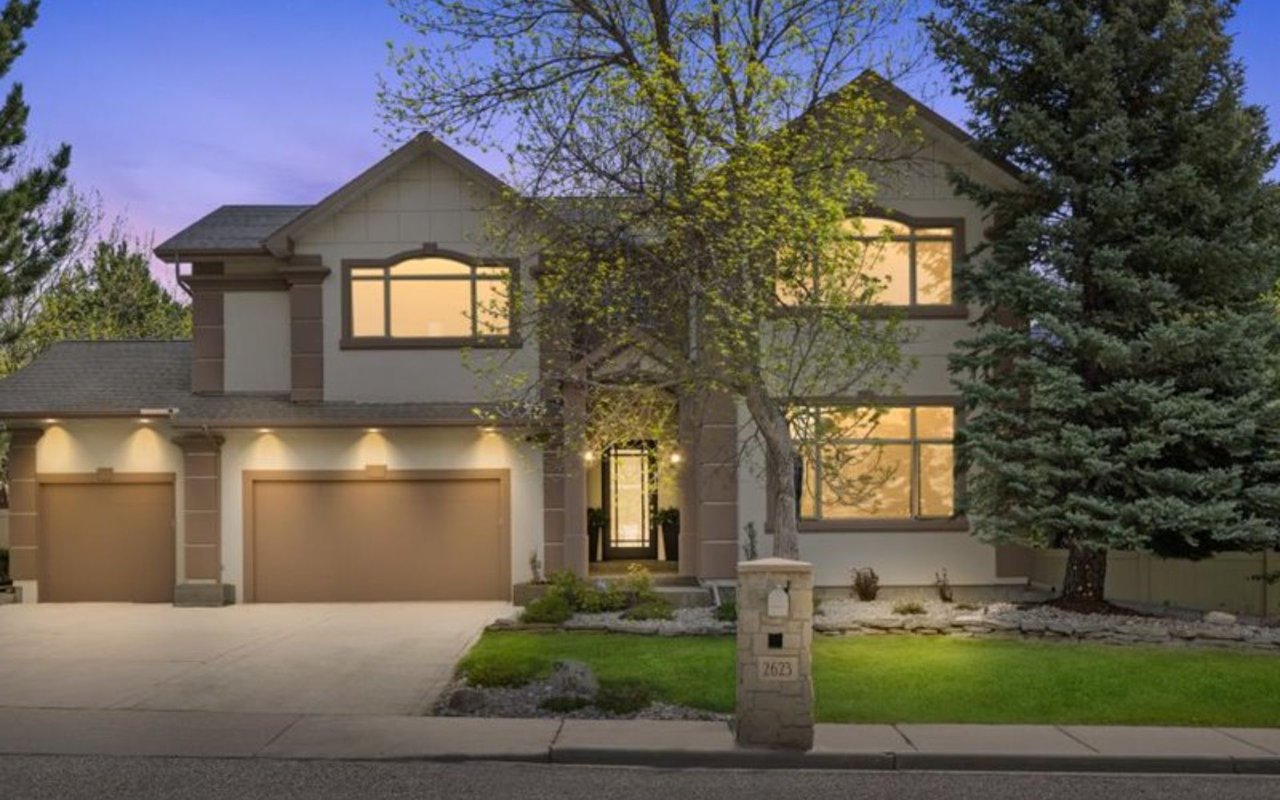
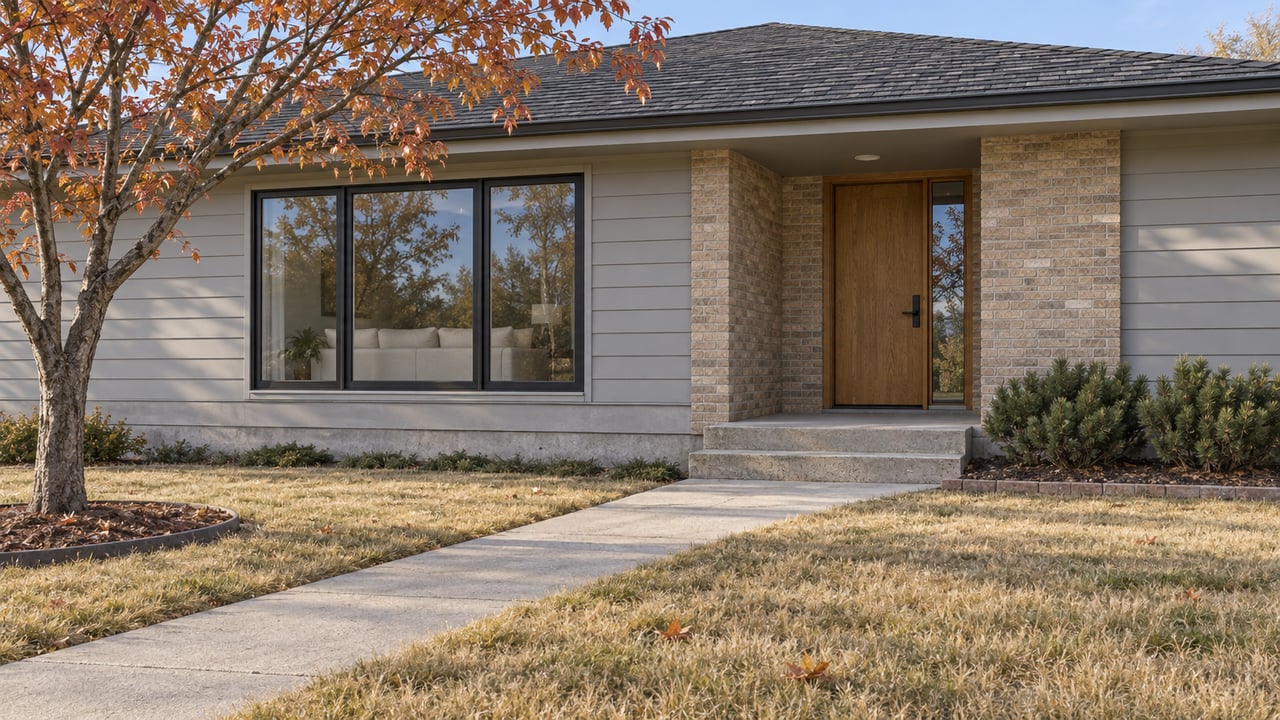
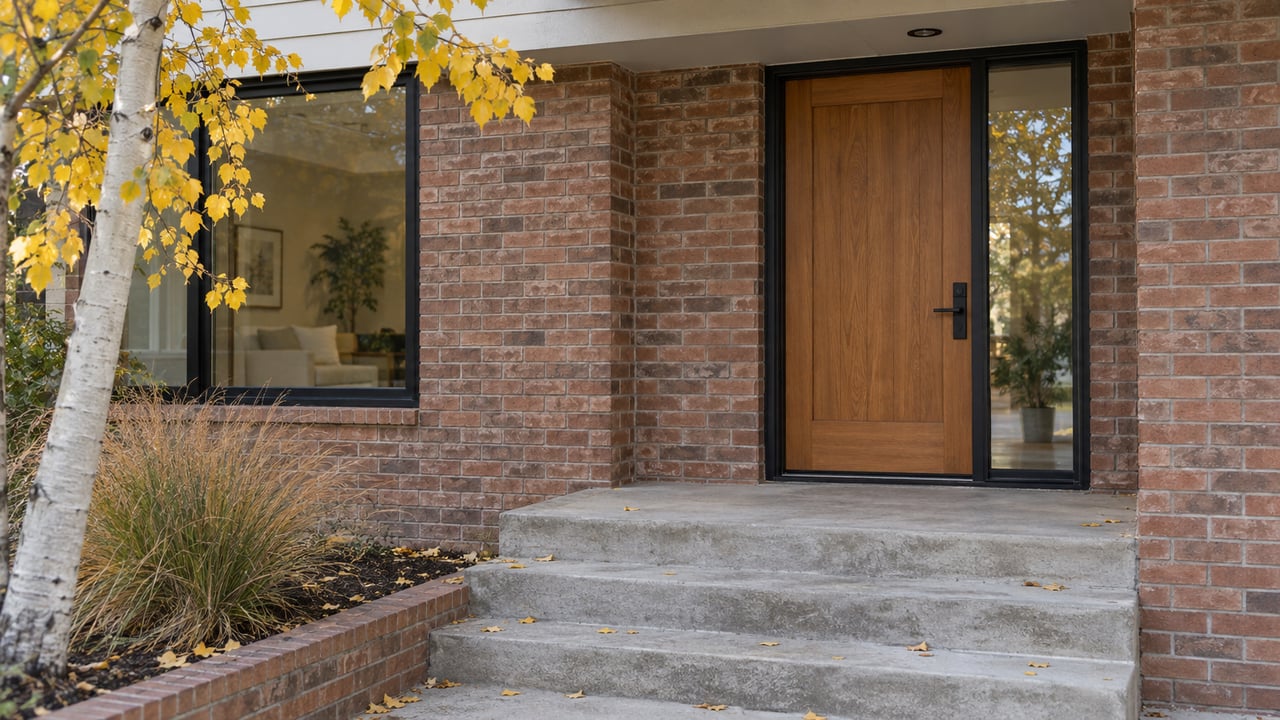
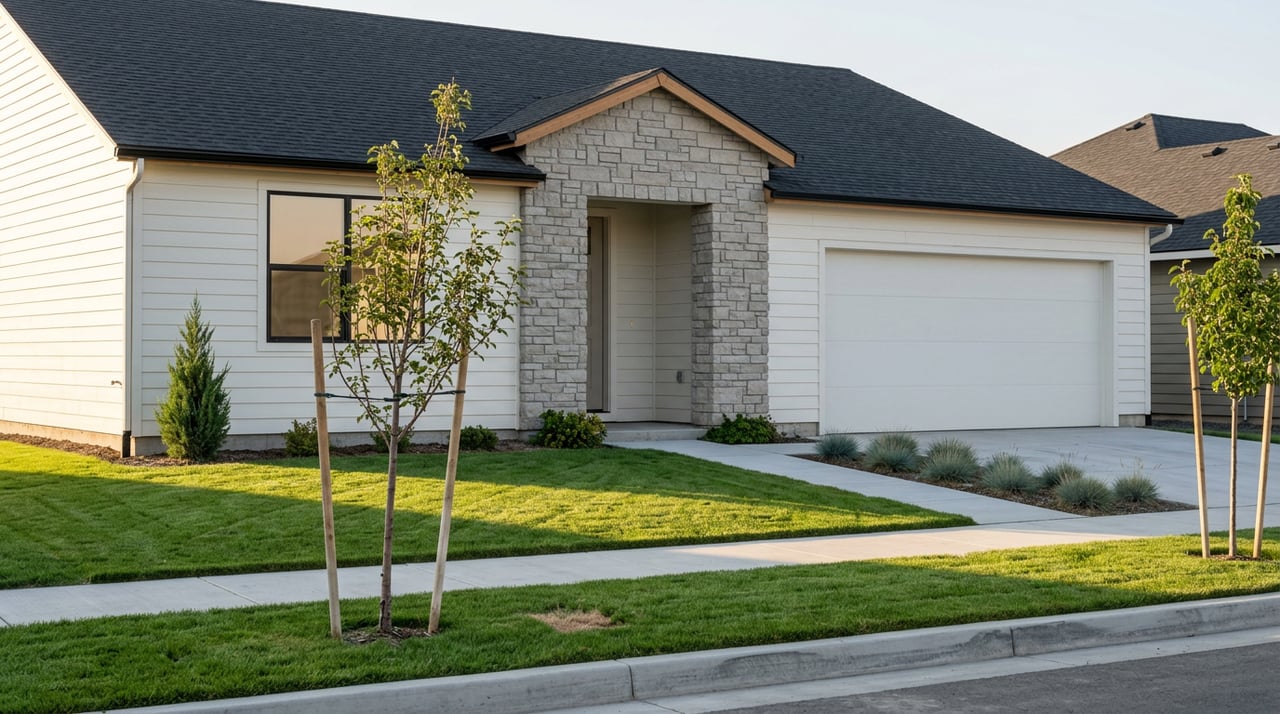
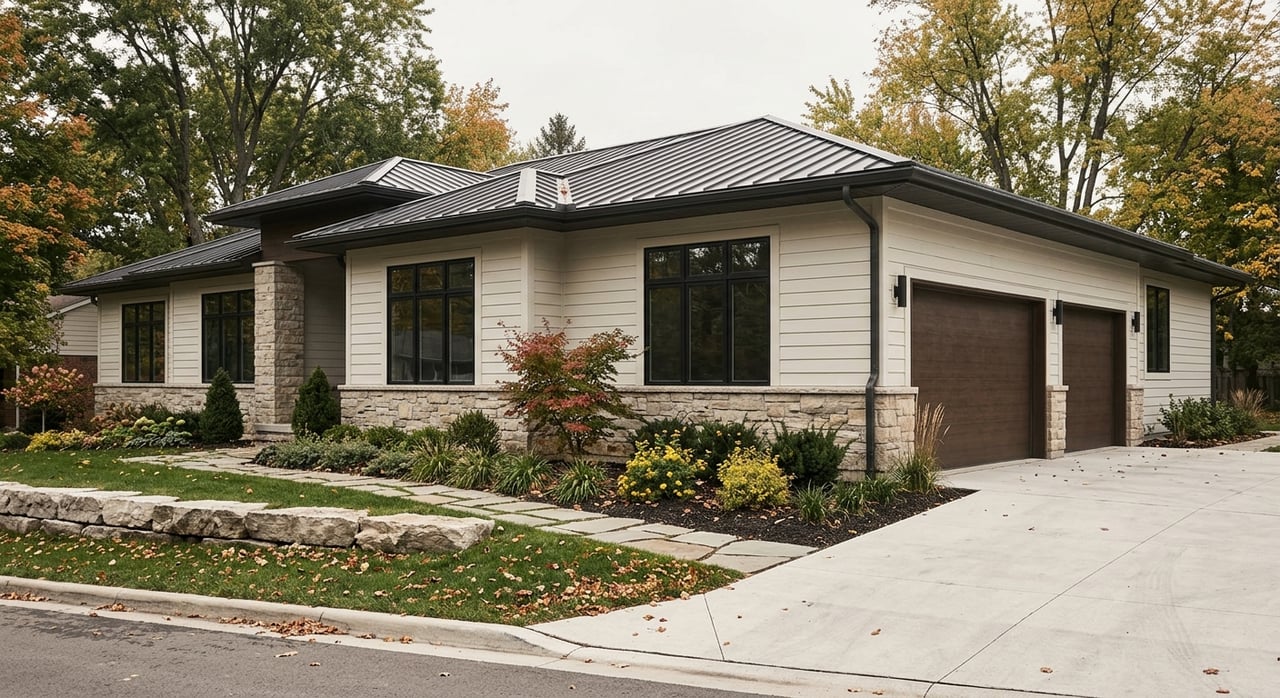
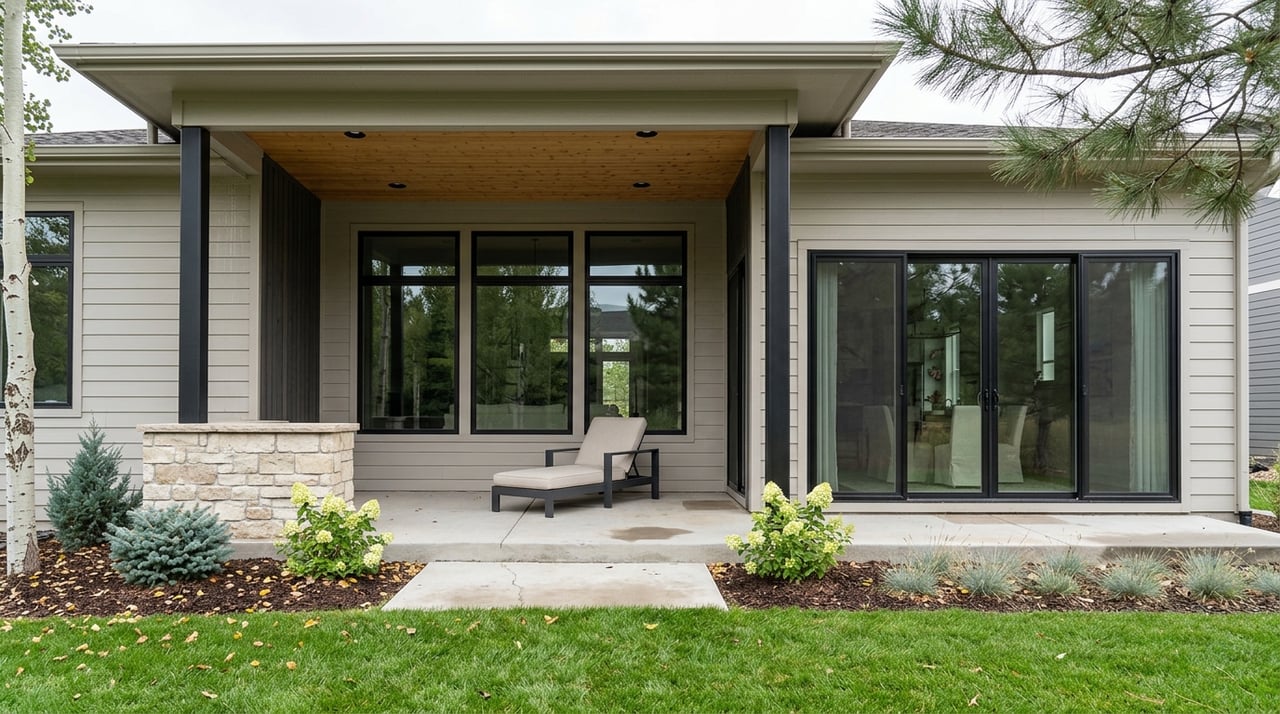
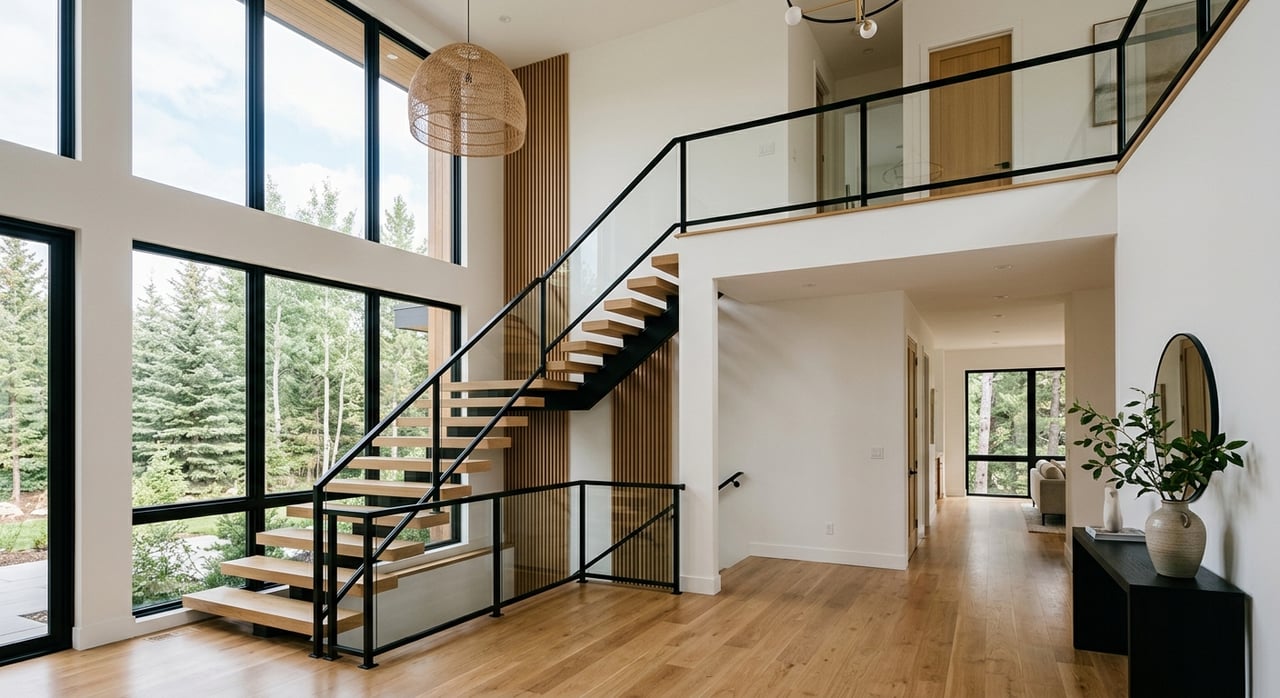
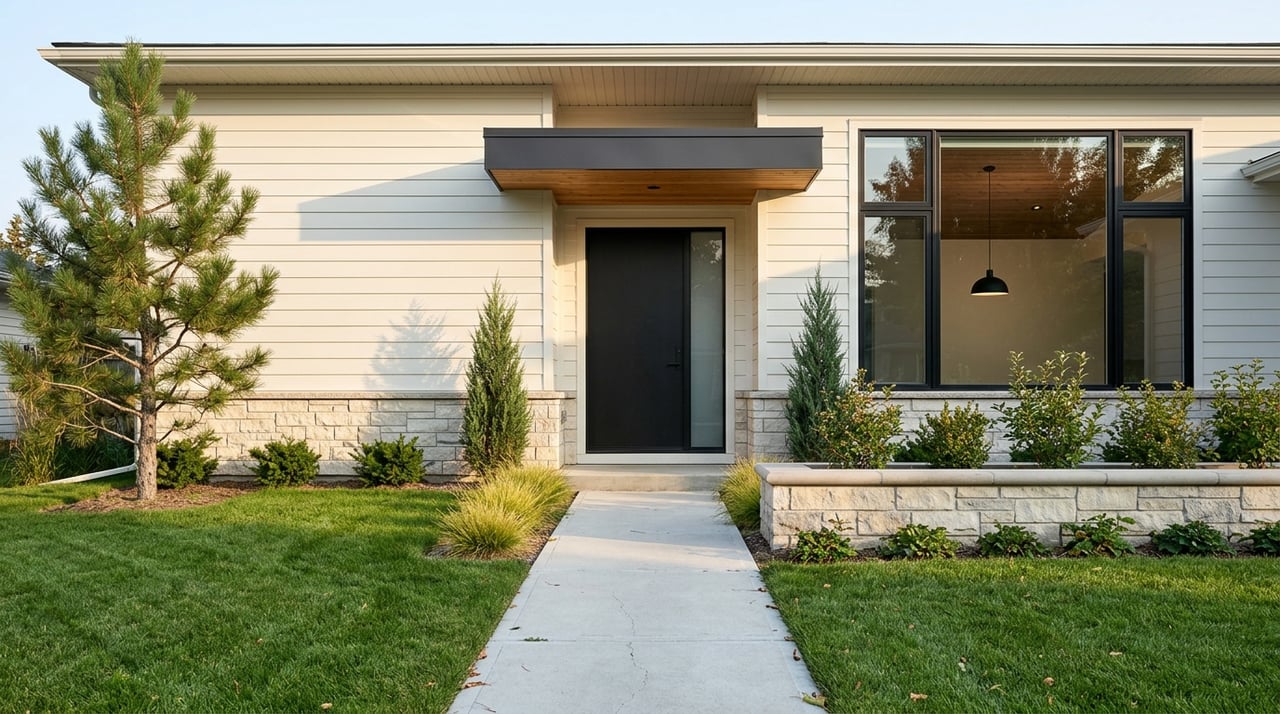
- Single-Family Detached Homes (63.1%): The dominant housing type, ranging from historic craftsman bungalows in older neighborhoods to modern construction in the West End and Southwest Corridor developments like Josephine Crossing.
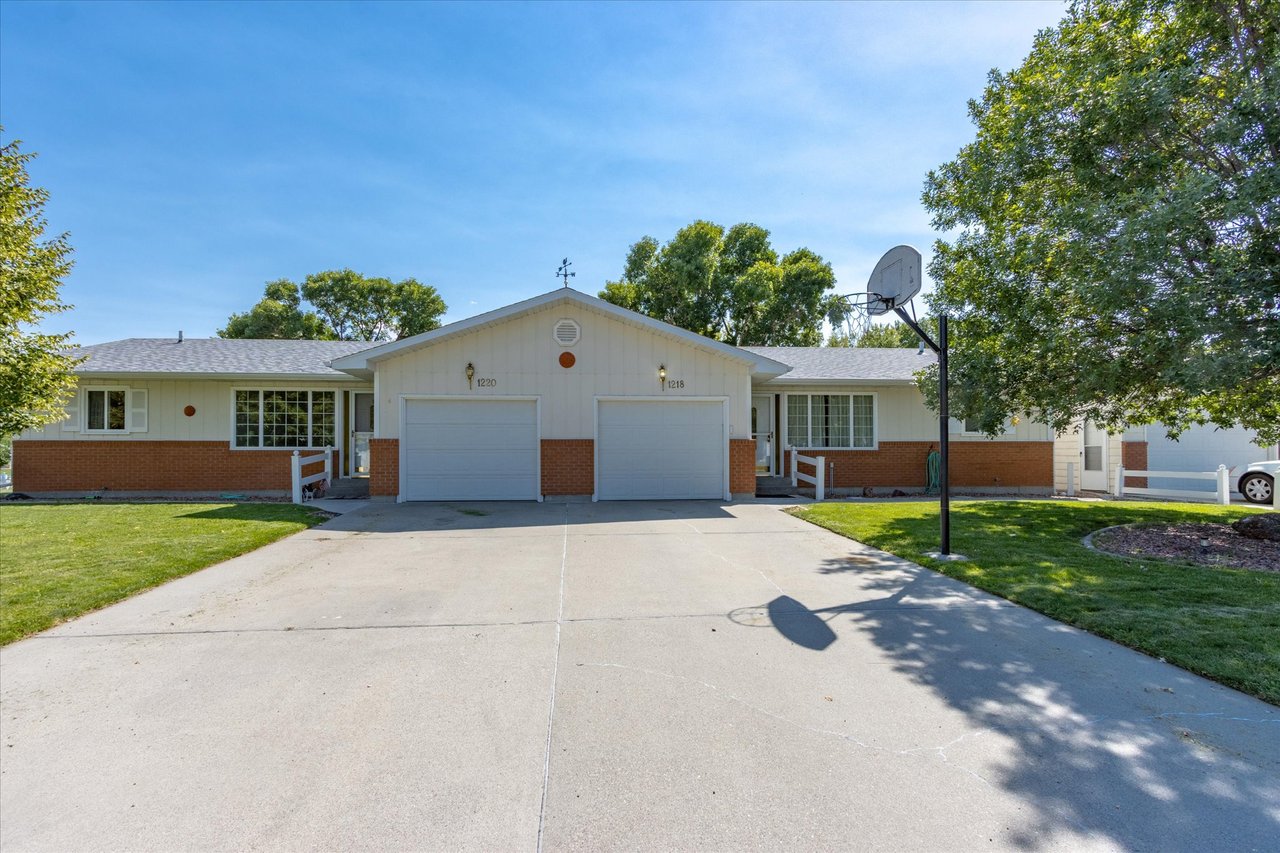
- Attached Housing (7%): Duplexes and townhouses providing more affordable entry points and lower maintenance options, concentrated in Midtown and newer developments.
- Multifamily Buildings (24%): Apartment complexes serving the 35.2% renter population, particularly strong around MSU-Billings and downtown.
- Mobile Homes (5.9%): Alternative affordable housing scattered throughout the area.
- Condominiums: Limited supply compared to single-family options but available in select urban and suburban locations.
The median construction year is 1979. 7.4% of homes predate 1940, while 12.7% were built 2010-2019 and 2.3% since 2020. Newer construction concentrates in the West End (Shiloh Crossing) and Southwest Corridor areas.
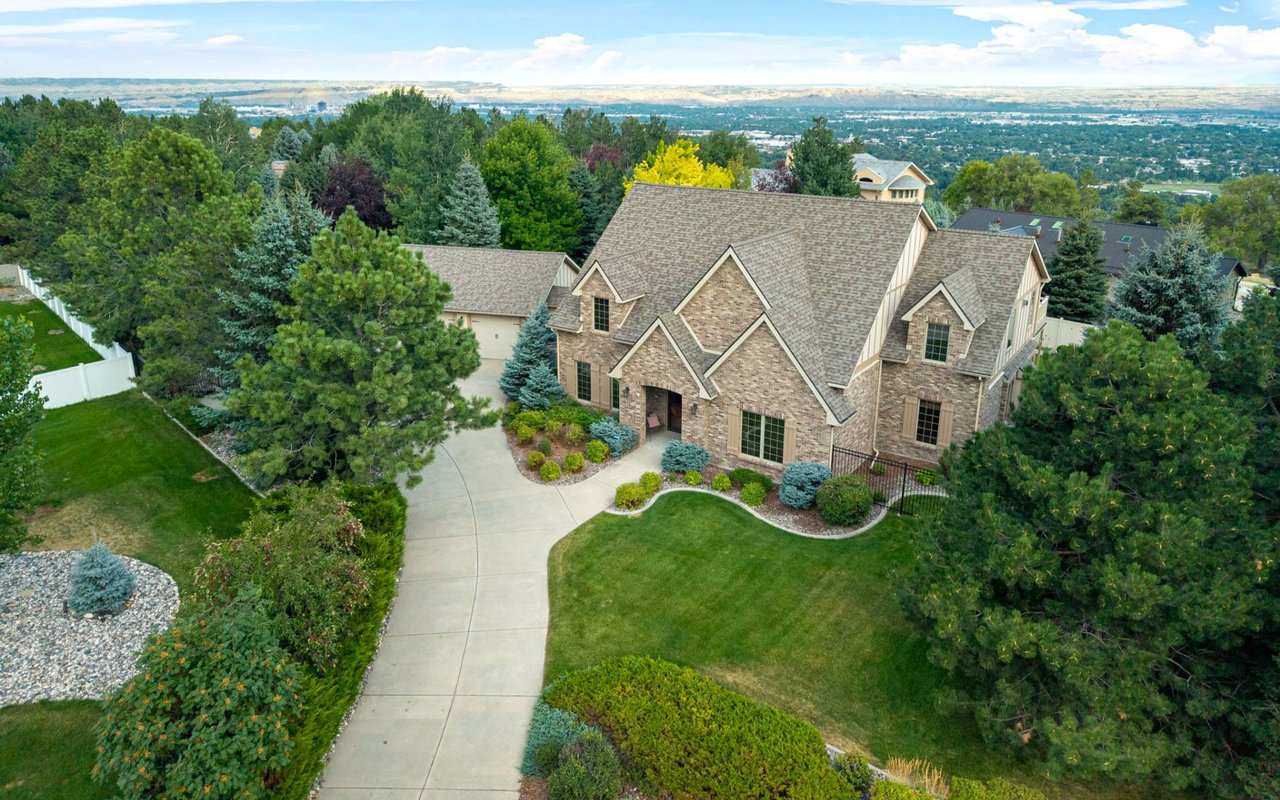
Housing stock ranges from historic mansions along Clark Avenue in the Terry-Central Park neighborhood to contemporary builds in master-planned communities. The West End features upper-income households and newer, larger homes.
Factors to Consider When Buying
- HOA Fees: Newer subdivisions and attached housing typically include HOA fees. Older established neighborhoods rarely have HOAs. Verify fees and restrictions in developments like Josephine Crossing or Shiloh Crossing.
- Flood Risk: 15% of properties face severe flooding risk over the next 30 years, with risk increasing faster than the national average. Properties near the Yellowstone River require flood zone verification and insurance consideration. The river floods annually in spring, particularly affecting areas like Norm's Island.
- Wildfire Risk: 78% of properties have some wildfire risk over 30 years—a major consideration. Properties in or near the Rimrocks, Heights, and areas with ponderosa pine face elevated risk.
- Property Age & Condition: With median construction year of 1979, many homes need updates. Older homes (pre-1940s) may have charm but require significant maintenance. Budget for upgrades, especially in heating systems for harsh winters.
- Climate Considerations: Homes need excellent insulation for winters with wind chills to -30°F and summers with increasing heat (7+ days over 95°F). Verify HVAC efficiency and condition.
- Market Speed: Currently 62 days average, giving buyers time for inspections and negotiations. This varies by neighborhood and price point.
- School Boundaries: Billings has multiple school districts (Billings Elementary, Billings High School District, Lockwood). Top-rated schools include Arrowhead School, Elysian Middle School, and Meadowlark School. Verify boundaries as they significantly impact property values.
- Noise & Location: Properties near Interstate 90, Montana Avenue, King Avenue West, or the Billings Bypass construction may experience traffic noise. The South Side near industrial areas may have more noise than residential Heights or West End.
- Parking: Older homes downtown may have limited parking. Newer subdivisions typically include garages and driveways.
- Natural Hazards: Beyond fire and flood, Billings experiences occasional tornadoes (2010 downtown tornado caused major damage), severe winter storms, and extreme cold.
- Infrastructure Development: The six-phase Billings Bypass project is ongoing through 2026+, affecting traffic patterns and potentially property values near Johnson Lane Interchange and Old Highway 312/US 87.
Factors to Consider When Selling
- Seasonality: Summer (June-August) represents seller-dominated months with higher demand and prices. Winter (January-February) favors buyers with higher supply and days on market. Spring and fall are transitional. List in late spring for maximum exposure.
- Pricing Strategy: With 17.4% of listings experiencing price drops and average 62 days on market, realistic pricing from day one prevents stagnant listings. The current buyer's market requires competitive pricing. Overpricing leads to extended market time and eventual price reductions that signal desperation.
- Buyer Demographics: Mix of first-time buyers (attracted by affordability vs. western Montana), families (strong schools, outdoor recreation), remote workers (fleeing higher-cost areas), and retirees (quality of life, lower taxes). Tailor marketing to these segments.
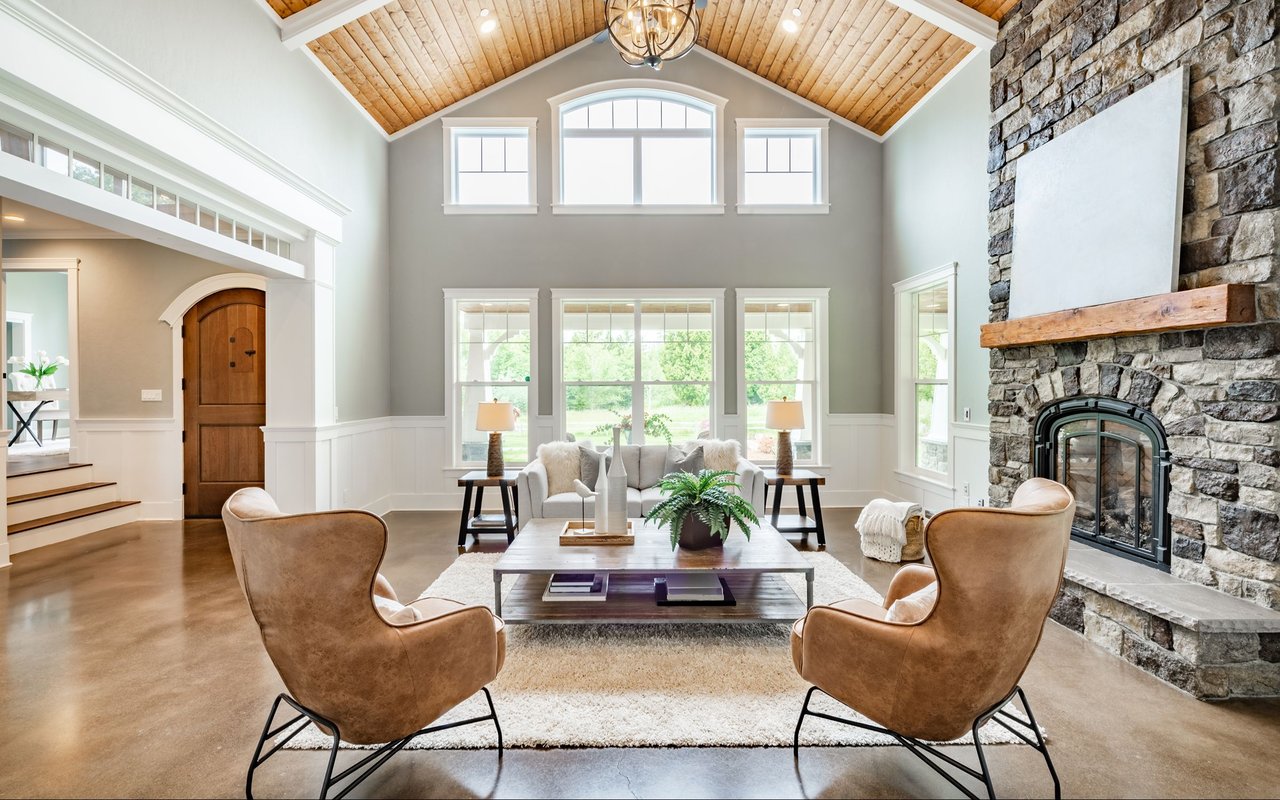
- Staging Trends: Professional staging matters in a market with increased inventory. Highlight Montana lifestyle elements: outdoor spaces, mountain views, natural light. Declutter, depersonalize, and emphasize energy efficiency features given climate extremes.
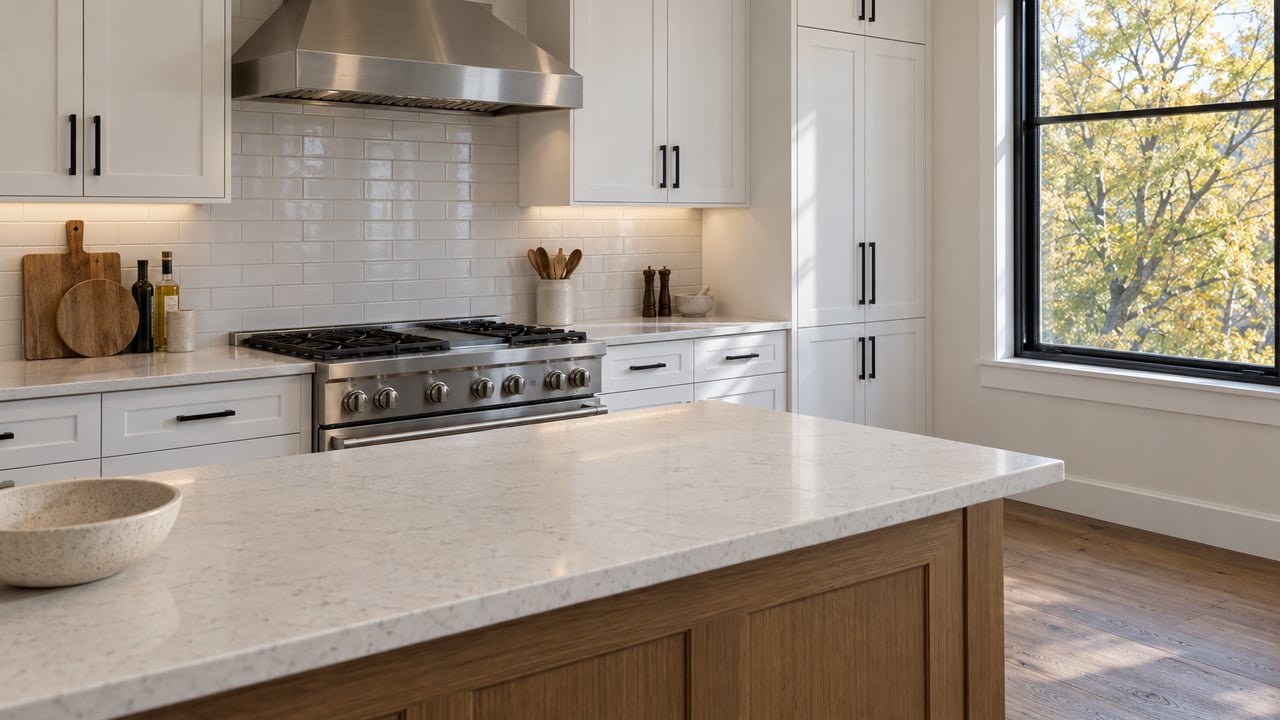
- Value-Adding Upgrades: Kitchen and bathroom updates provide strong ROI. Energy-efficient windows, insulation, and HVAC systems appeal to buyers facing harsh winters. Landscaping that showcases views or creates outdoor living spaces. Finished basements add functional square footage. Updated flooring (wood over carpet).
- Market Competition: With 33.3% inventory increase, differentiation matters. Properties need to stand out through condition, pricing, or unique features. Photography and online presence are critical—most buyers start searches digitally.
- Disclosure Requirements: Montana requires disclosure of known defects. Be transparent about flood zones, wildfire risk, property age issues, and any environmental concerns.
- Timing Considerations: The market shifted buyer-favorable in 2024-2025. Sellers must be prepared for negotiations, longer market times, and potentially accepting offers below asking price. If market conditions aren't urgent, waiting for seasonal peaks may yield better results.
- Local Agent Expertise: Billings' micro-markets vary significantly (South Side vs. West End vs. Heights). Experienced local agents understand neighborhood-specific buyer preferences and pricing dynamics.
Dining and Entertainment
Billings punches above its weight class for dining and entertainment, blending Western heritage with modern culinary creativity.
- Fine Dining: Walkers Grill features locally-sourced ingredients in modern dishes, uptown style with Western charm, award-winning wine list, and Sunday live jazz. Jake's Downtown (steakhouse since 1979) offers classic Montana fare in the historic Grand Building with two bars. The Granary provides creative farm-to-table dining.
- Casual & Specialty: The Burger Dive won "Burger Champion" at World Food Championships with inventive combinations like huckleberry hatch chilis and bourbon barbecue sauce. Bernie's Diner (inside The Northern Hotel) serves upscale diner classics 6am-3pm daily with homemade shakes. Sophie's Kitchen offers fun, hip atmosphere downtown. The Sassy Biscuit specializes in biscuit-based breakfast creations.
- Breweries & Bars: Montana Brewing Company (downtown brewpub since 1994) features extensive beer selection and American/Mexican/Italian dishes. Angry Hank's (eclectic repurposed garage brewery) has $3 pints and outdoor seating. Doc Harper's martini bar creates craft cocktails with fresh juices and hand-stuffed olives. The High Horse Saloon & Eatery offers live music, dancing, and casino. Asylum Distillery produces Montana-made gin, vodka, rum, and moonshine.
- Beer Trail: Billings boasts Montana's only walkable brewery district downtown, featuring multiple craft breweries within easy walking distance.
- International Cuisine: Tup Tim Thai brings Northern Thailand flavors. Carverss Brazilian Steakhouse offers international options. Multiple Mexican restaurants serve fresh salsas and generous portions.
- Historic Venues: The Northern Hotel houses both Walkers and Bernie's. Montana Brewing Company occupies a historic downtown location. Many restaurants feature restored historic buildings.
- Entertainment: MetraPark Arena hosts concerts and sporting events. The Yellowstone Art Museum provides cultural experiences. Downtown features walkable brewery district with live music venues. Casinos integrated into many bars and saloons.
Parks and Recreation
Billings markets itself as "Montana's Trailhead" with 2,700+ acres of parks and 50+ miles of trails:
- Trail Systems: Riverfront Park features miles of paved trails along the Yellowstone River with picnic areas, playgrounds, and fishing access. Skyline Trail offers 7 continuous miles of paved multiuse path atop the Rimrocks connecting to Swords Rimrock Park. Four Dances Recreation Area provides 3-mile out-and-back trail with 656-foot elevation gain and sweeping views. Two Moon Park runs 1.9-mile loop along the Yellowstone River.
- Mountain Biking & Hiking: Zimmerman Park offers multiple loops with narrow paths, rocky terrain, and tight switchbacks. Phipps Park features 4.1-mile challenging loop plus easier 4-mile loop suitable for families. Acton Recreation Area (30 minutes outside) provides 23 miles of trails with 4,000-foot descents across 12 trail systems. Pictograph Cave State Park (5 miles south) combines hiking with archaeological sites featuring 100+ pictographs from prehistoric hunters.
- River Activities: The Yellowstone River flows through town offering kayaking, paddleboarding, fishing, and rafting. Multiple access points along Riverfront Park. World-class fly fishing on multiple rivers in the area.
- Specialized Recreation: Diamond X disc golf course (one of world's largest) with Rimrock views. ZooMontana features local and exotic animals. Steepworld Climbing & Fitness offers indoor climbing. Four Dances Recreation Area includes shooting sports and horseback riding.
- Natural Features: The Rimrocks provide dramatic sandstone formations for technical rock climbing and cliffside walks. Montana Audubon's 54-acre conservation center protects wildlife and ecosystems. Shiloh Conservation Area spans 66 acres with two-mile trail system and interpretive signage.
- Nearby Wilderness: Absaroka-Beartooth Wilderness and Custer National Forest accessible within an hour, offering 700+ miles of trails and 1,000 alpine lakes for overnight trips.
- Golf: Multiple courses including public and private options throughout the area.
- Winter Recreation: Access to skiing, snowboarding, and winter sports within driving distance.
Outside Magazine named Billings the best town in the United States in 2016, largely based on outdoor recreation access.
Local Culture
Billings blends rugged Western heritage with progressive urban development, creating unique cultural character:
- Western Roots: Cattle ranching remains economically and culturally important. Western wear, rodeo culture, and frontier history permeate daily life. Coulson's Boothill Cemetery and Liver-Eating Johnson's law enforcement legacy represent the rough frontier past.
- Economic Diversity: Unlike single-industry Montana towns, Billings benefits from healthcare (Billings Clinic, St. Vincent Regional Hospital - both Level I Trauma Centers), energy (Bakken oil support, Heath Shale), agriculture, education (MSU-Billings, Rocky Mountain College), tourism, and retail. This diversity creates cultural stability and resilience.
- Trade Hub Mentality: Serving 125,000+ square mile trade area creates business-focused, entrepreneurial culture. Billings handles more than 25% of Montana's wholesale business and $1 of every $7 retail spent in Montana.
- Montana Culture: No sales tax makes Billings a regional shopping destination. Outdoor recreation isn't hobby—it's lifestyle. Hunting, fishing, hiking, and camping are weekend norms. Independence, self-reliance, and practical problem-solving define local attitudes.
- Arts & Education: The Yellowstone Art Museum, Parmly Billings Memorial Library (1901), and cultural events signal commitment to education and arts. MSU-Billings and Rocky Mountain College provide college-town influences.
- Community Events: South Park hosts food fairs and festivals in summer months. MetraPark Arena attracts regional events. The downtown brewery district creates walkable entertainment culture unusual for Montana.
- Demographic Diversity: The South Side represents the city's most culturally diverse neighborhood. 27% minority enrollment in schools (majority Hispanic) exceeds state average.
- Progressive Elements: Downtown gentrification, LEED-certified buildings, electric buses, conservation areas, and Preserve America designation show environmental consciousness. The 2011 Complete Streets Policy prioritizes multimodal transportation.
- Small-Town Feel, Urban Amenities: Despite being Montana's largest city, Billings maintains friendly, accessible atmosphere while offering services and amenities typically found in much larger metros.
Schools and Education
Billings serves 20,221 public school students across 50 schools, plus 3,050 private school students in 16 institutions:
- Public School Performance: Overall, Billings public schools average 3/10 ranking, placing in the bottom 50% of Montana schools. Math proficiency averages 32% (vs. 36% state average), reading proficiency 41% (vs. 46% state average). The student-teacher ratio is 16:1, slightly higher than state average. 39.3% of students qualify for free/reduced lunch programs.
- Top-Rated Public Schools: Arrowhead School ranks 28th out of 332 Montana elementary schools with 5-star SchoolDigger rating. Meadowlark School ranks 37th with 4-star rating. Elysian Middle School ranks 43rd out of 187 Montana middle schools with 4-star rating.
- High Schools: Billings West High School, Billings Senior High School, and Skyview High School serve the city. West High and Senior High both rank well statewide (1st and 43rd respectively) and offer extensive AP coursework, clubs, sports, and performing arts programs. Shepherd High School (nearby) ranks 23rd statewide.
- School Districts: Billings Elementary School District (28 schools, 11,089 students) spends $12,525 per student annually. Billings High School District serves high school students. Lockwood K-12 School District serves the Lockwood area separately.
- Private Schools: Billings Central Catholic High School offers strong academic programs and achieved #2 ranking among Montana private high schools. Billings Christian Schools, Trailhead Christian School, and St. Patrick Co-Cathedral School provide faith-based education. Private schools average smaller class sizes (10:1 to 24:1 student-teacher ratios).
- Higher Education: Montana State University Billings (MSU-Billings) offers undergraduate and graduate programs with approximately 4,500 students, strong education and healthcare programs. Rocky Mountain College provides private liberal arts education. Both institutions contribute college-town atmosphere and continuing education opportunities.
- Challenges: Correlation exists between student demographics and performance—schools with higher percentages of minority and low-income students show lower rankings. Addressing socioeconomic disparities remains an ongoing challenge.
- Preschools: Multiple early childhood education options throughout the city, from faith-based to Montessori to traditional preschools.
Commute and Accessibility
Billings sits at the intersection of major transportation corridors providing regional connectivity:
- Interstate 90: The primary east-west corridor runs through Billings, connecting to Seattle (550 miles west) and the Midwest (Rapid City, SD 340 miles east). Access points throughout the city via multiple interchanges.
- US Highway 87/Highway 3: Runs north-south connecting to Great Falls and the Hi-Line region. Currently undergoing corridor study (completion December 2025) to develop long-range management plans and access management.
- Billings Bypass: Six-phase project (three phases complete as of 2025) creating new arterial roadway from Johnson Lane Interchange on I-90 in Lockwood, spanning the Yellowstone River to Old Highway 312/US 87 in Heights. Construction continuing through late 2025/early 2026. Currently accessible via temporary connections on Coulson Road and Five Mile Road.
- Local Streets: Montana Avenue and Minnesota Avenue serve as main downtown thoroughfares. King Avenue West provides western corridor access. Downtown converted several streets to two-way traffic starting July 2025 (Montana Avenue, 1st Avenue North, 4th Avenue North, 6th Avenue North remain one-way).
- Airport: Billings Logan International Airport (BIL) provides commercial service to major hubs. Located in the Heights area with convenient highway access.
- Public Transit: MET Transit Center (LEED Platinum certified) serves as hub for city bus system with electric buses added to fleet. Limited compared to larger metros but adequate for basic needs.
- Walkability: Downtown features walkable brewery district and business core. Riverfront Park offers miles of walking/biking paths. Skyline Trail provides 7 miles of paved multiuse path. Generally car-dependent for daily errands outside downtown.
- Traffic: Relatively light compared to major metros. Average commute times significantly shorter than national average. Montana 3 corridor study addressing future traffic management and safety.
- Regional Access: Billings serves as gateway to Yellowstone National Park (100 miles south), Little Bighorn Battlefield, Bighorn Canyon, and mountain recreation areas. Major trade and distribution center for Montana east of Continental Divide, Wyoming, and Dakotas.
- Infrastructure Improvements: Ongoing ADA upgrades along King Avenue West through fall 2025. Roundabout construction in Shiloh corridor (eight roundabouts total). Complete Streets Policy adopted 2011 prioritizes multimodal transportation.
Most Coveted Streets & Estates
- Clark Avenue (Terry-Central Park neighborhood): Home to Billings' first mansions, this historic street showcases architectural grandeur from the city's early prosperity. Original craftsmanship, large lots, mature trees, and proximity to downtown make it perennially desirable.
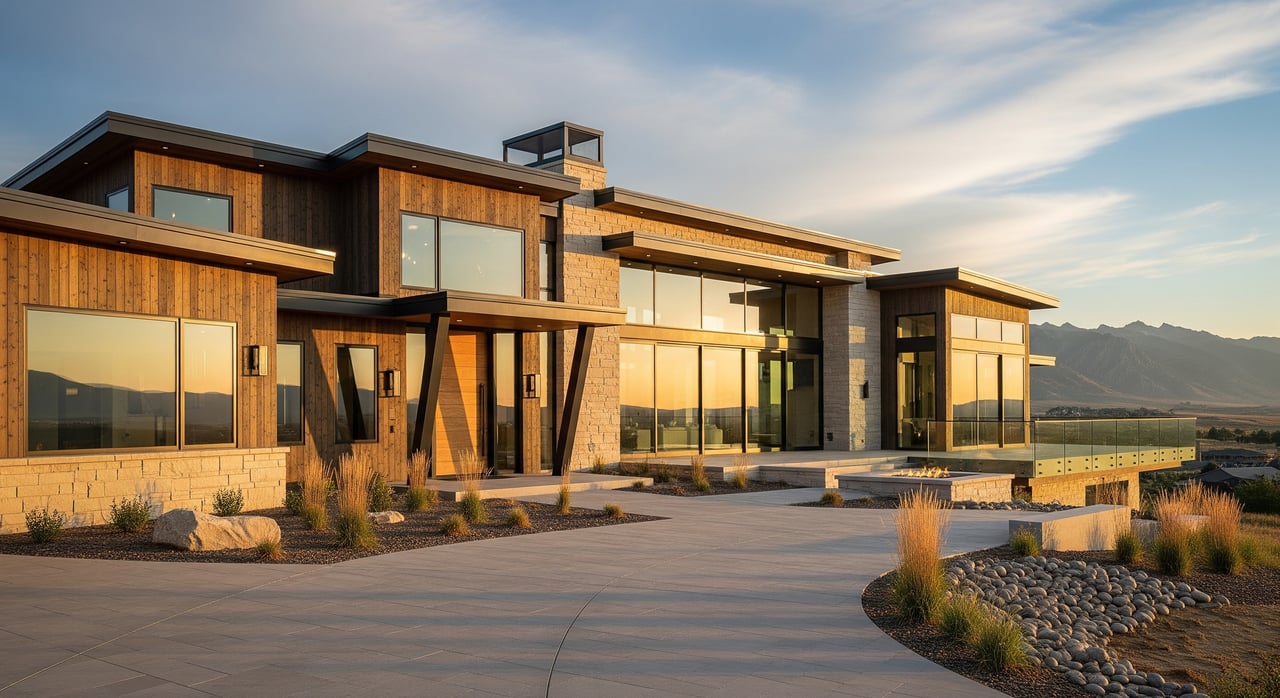
- West End/Shiloh Crossing Area: Upper-income households dominate this rapidly developing section. Shiloh Crossing anchored by Scheels (Montana's largest retail store) attracts buyers seeking modern amenities, newer construction, and upscale shopping. Properties here command premium prices.
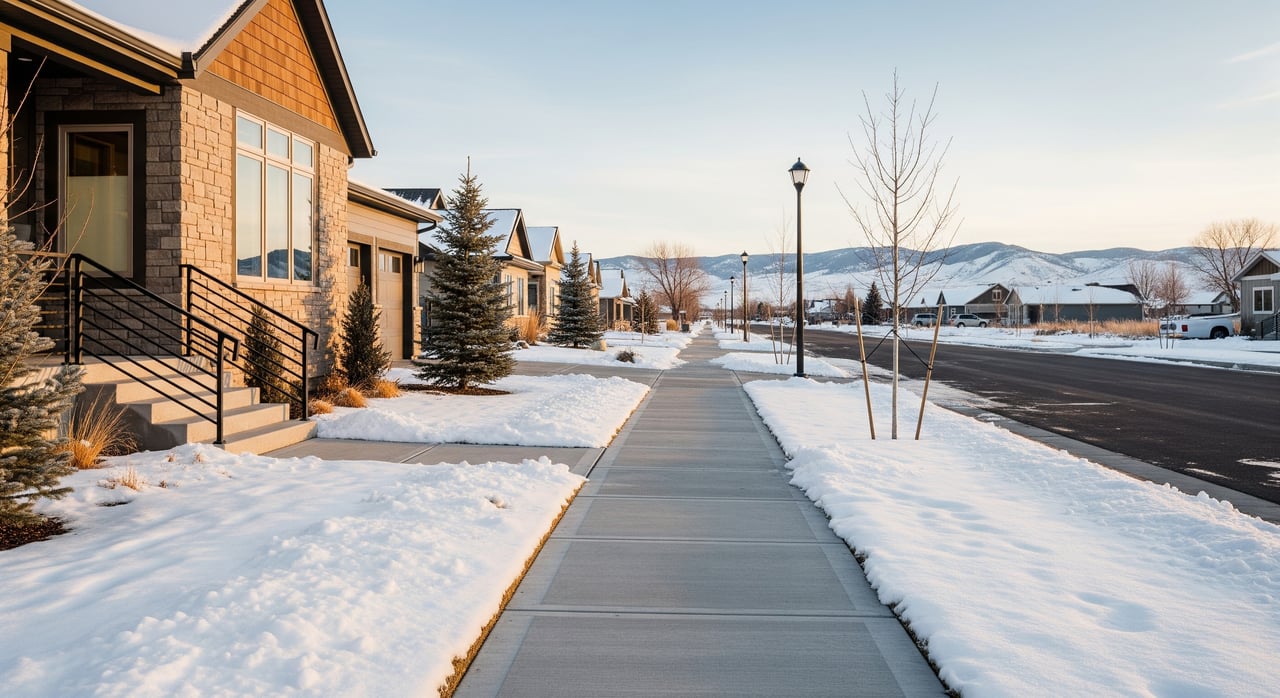
- Southwest Corridor/Josephine Crossing: One of Billings' newest contemporary neighborhoods experiencing dense, urban-style growth. Modern floor plans, energy efficiency, and planned community amenities appeal to young professionals and families.
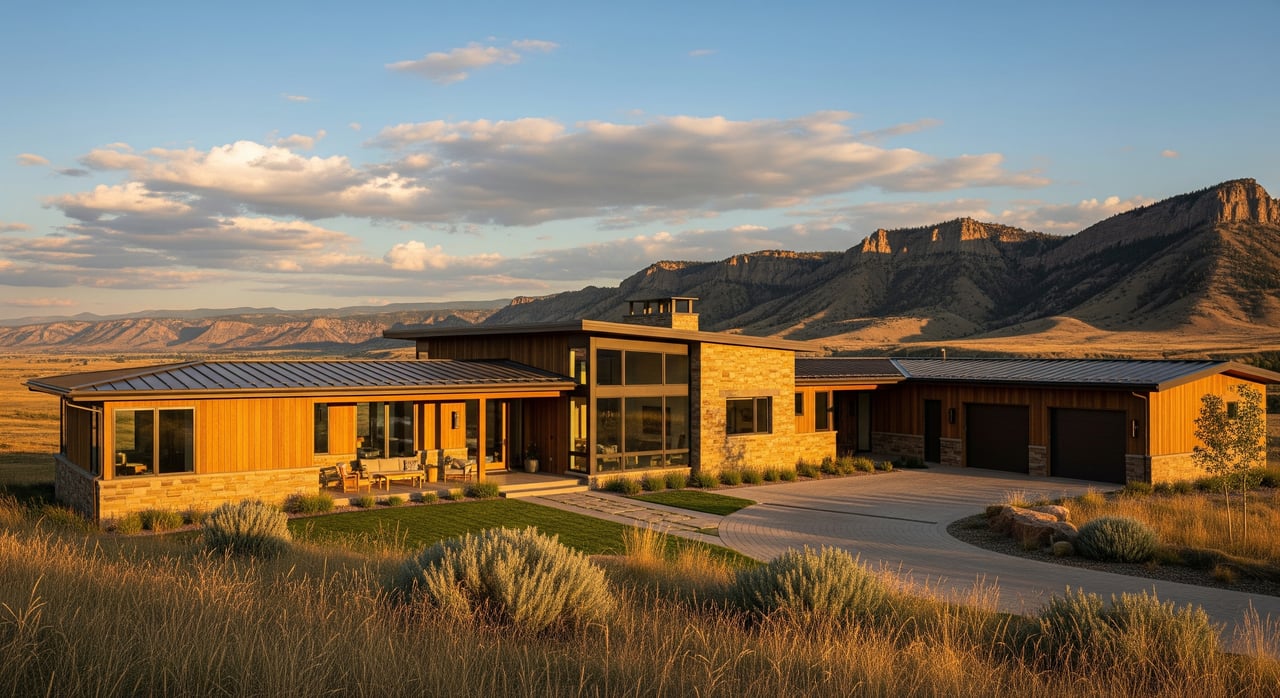
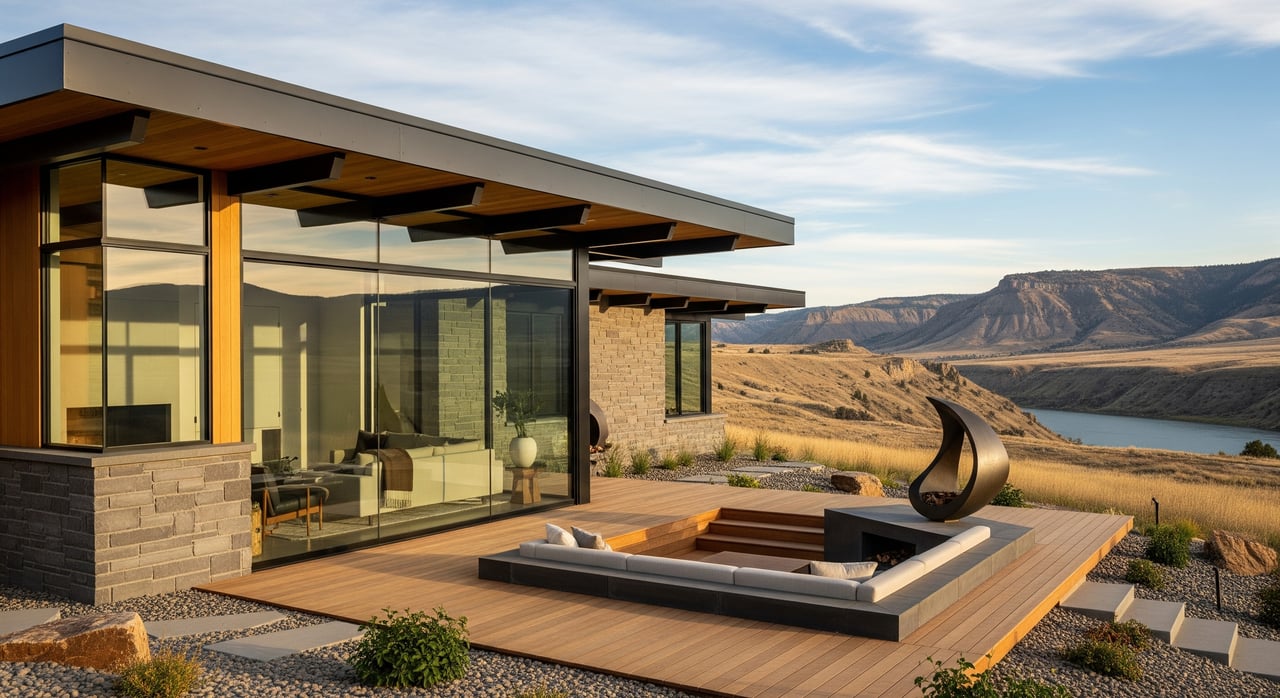
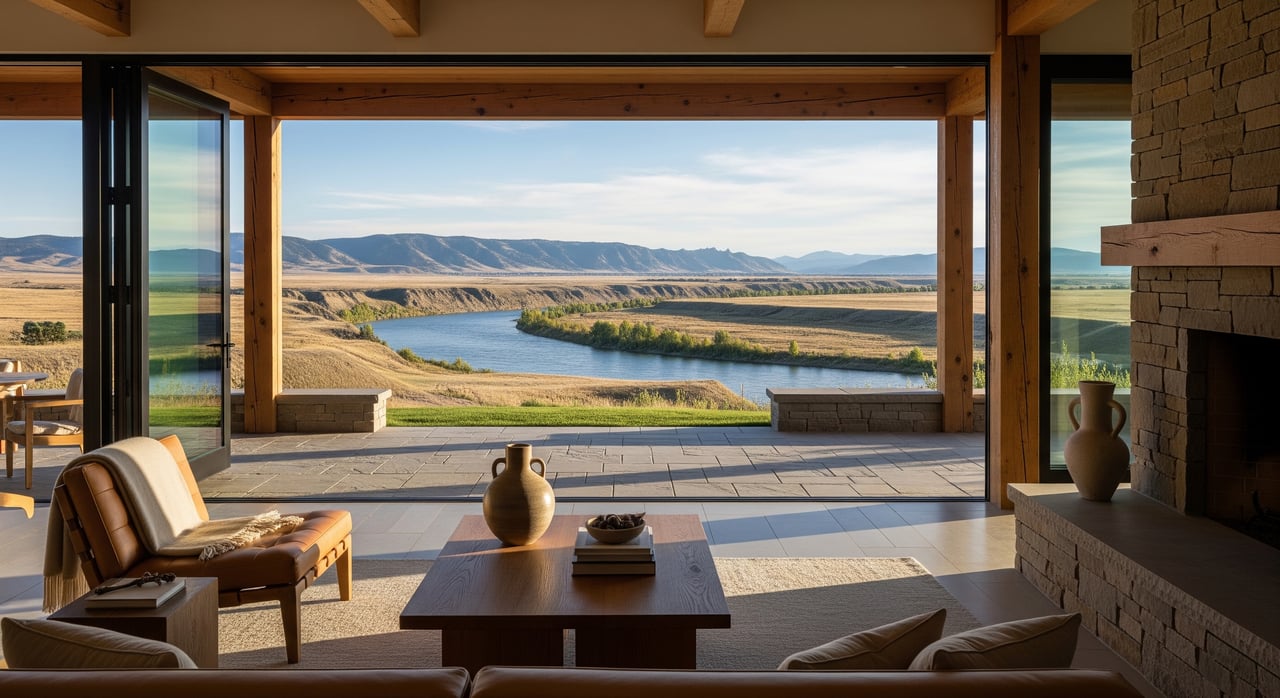
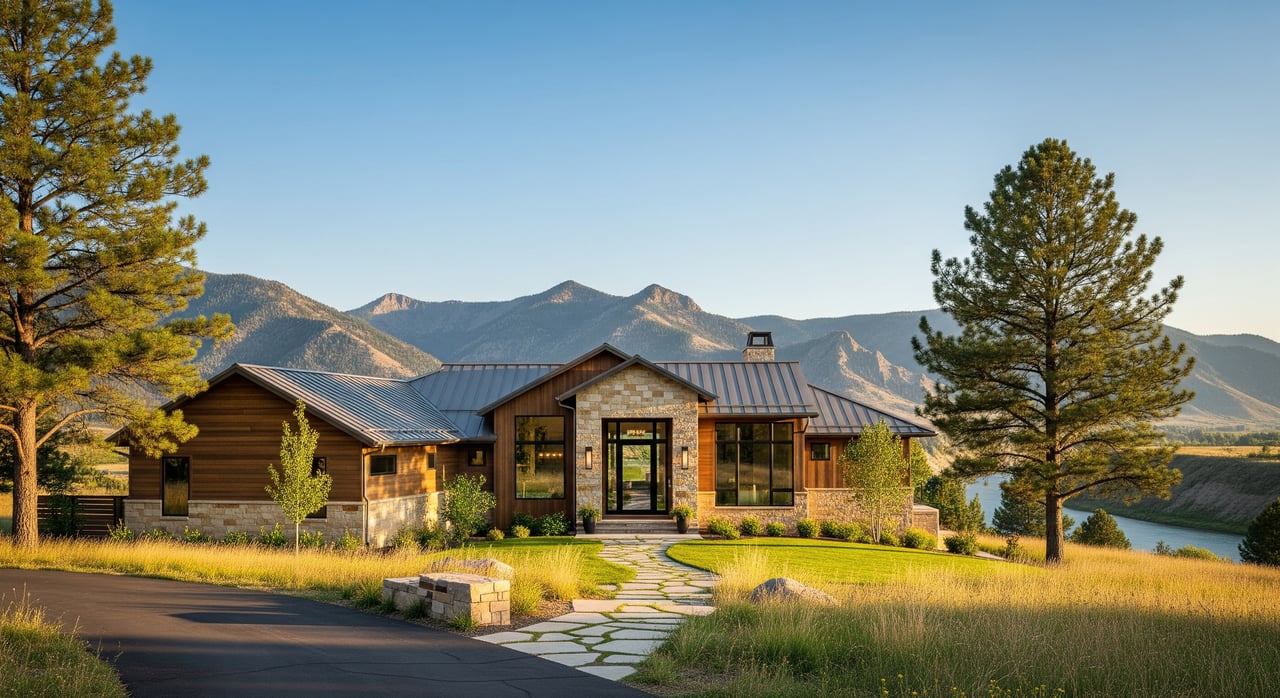
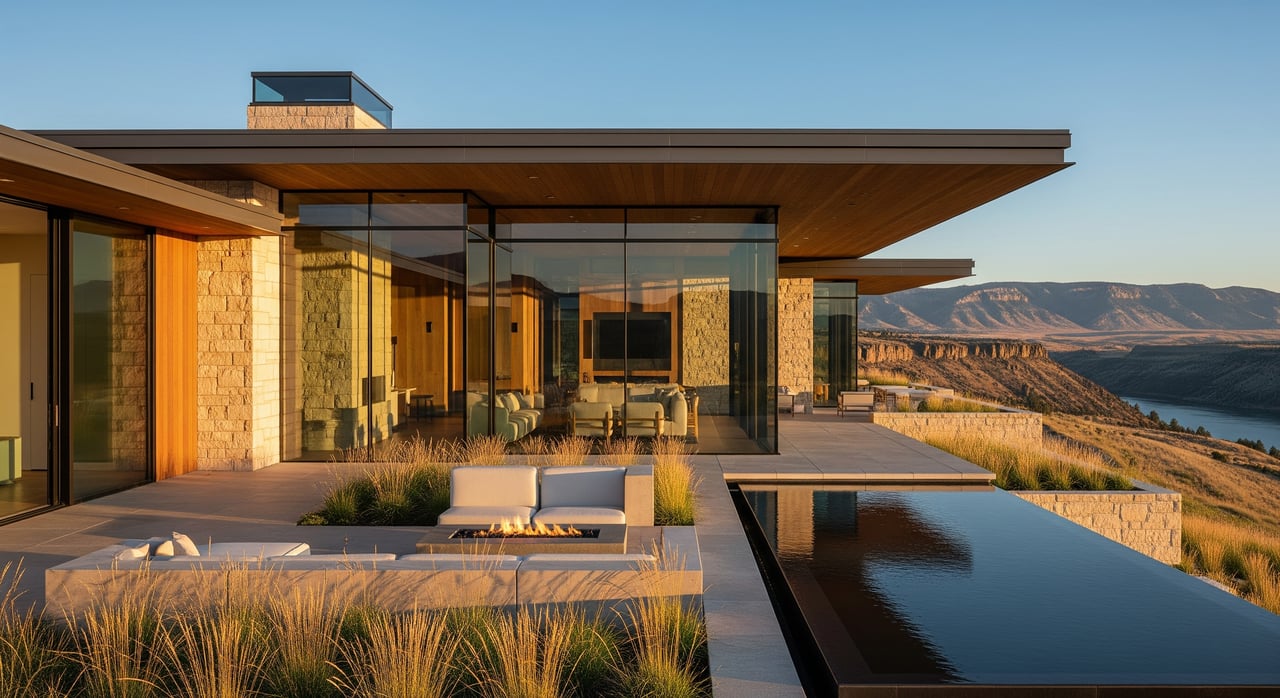
- Rimrocks Properties: Homes along or near the Rimrocks with unobstructed views command premiums. Properties on the rim itself offer dramatic panoramas of the valley, river, and distant mountain ranges. Limited supply due to geographical constraints.
- Riverfront Properties: Direct Yellowstone River access or views carry significant value. Properties near Riverfront Park benefit from trail access, recreational opportunities, and natural beauty while maintaining proximity to downtown.
- Heights (Select Areas): Certain pockets of the Heights offer large lots, newer construction, and separation from downtown density while maintaining accessibility. Family-oriented with good schools.
- North Broadway/Historic Downtown Core: Restored historic properties along North Broadway and Montana Avenue appeal to buyers seeking character, walkability, and proximity to cultural amenities. The Parmly Billings Memorial Library area particularly prestigious.
- Midtown (Gentrifying Areas): Selective properties in Midtown's gentrification zone present investment opportunities. Buyers seeking urban lifestyle with appreciation potential focus here.
- Bench Areas: Properties on the "benches" (elevated areas with views) throughout the city provide vistas without Rimrock premium pricing.
- South Park Area: Historic neighborhood with mature trees, established homes, and cultural diversity. South Park itself (old-growth city park) serves as neighborhood amenity.
Why People Love Billings
Residents and newcomers consistently cite these factors:
- Outdoor Recreation Access: 50+ miles of trails within city limits, Yellowstone River running through town, proximity to wilderness areas, Rimrocks providing dramatic hiking and climbing, and gateway status to Yellowstone National Park create outdoor paradise. Outside Magazine's 2016 "Best Town" recognition validates lifestyle quality.
- Four-Season Beauty: 300 days of sunshine, dramatic seasonal changes, big sky vistas, and natural landmarks like the Rimrocks create visually stunning environment.
- Economic Stability: Diverse economy (healthcare, energy, agriculture, education, tourism) provides recession resistance. Strong job market in multiple sectors. Regional hub status creates business opportunities. Unemployment historically lower than national average.
- Affordable Cost of Living: Compared to western Montana (Bozeman, Missoula), Billings offers 40-60% lower housing costs. No state sales tax saves money. Lower property taxes than many states. Median home prices ($350,000-$390,000) remain accessible compared to Denver, Seattle, California markets.
- Small-Town Feel, Big-City Amenities: Population of 121,000 maintains friendly, accessible atmosphere while offering services (two Level I Trauma Centers, major retail, arts, culture) typically found in larger metros. People know their neighbors but have urban conveniences.
- Central Location: Montana's largest trade area. Easy access to national parks, wilderness areas, and regional attractions. Billings Logan International Airport provides commercial flight connectivity.
- Western Heritage & Culture: Authentic Montana experience without tourist trap atmosphere. Rodeo culture, ranching heritage, frontier history remain living traditions rather than museum pieces.
- Education & Healthcare: Quality healthcare (Billings Clinic, St. Vincent Regional Hospital) provides peace of mind. Higher education options (MSU-Billings, Rocky Mountain College) support continuing education and college-bound students.
- Food & Drink Scene: Unexpectedly robust culinary scene for city of this size. Montana's only walkable brewery district. Award-winning restaurants (Burger Dive world championship). Local breweries, distilleries, farm-to-table options.
- Community Spirit: Events like South Park festivals, MetraPark Arena concerts, downtown farmers markets, and brewery district gatherings create tight-knit community. Billings Parks and Recreation Department actively fosters connection through programming.
- Remote Work Destination: Increasing number of remote workers choosing Billings for quality of life, outdoor access, and affordability while maintaining higher coastal salaries.
- Safety & Stability: Relatively low crime rates for city of its size. Family-friendly neighborhoods. Strong community policing.
- No Sales Tax: Montana's lack of sales tax makes Billings shopping destination for residents and visitors from Wyoming, Dakotas, and eastern Montana.