ADDRESS
2050 BROADWATER AVE STE B
BILLINGS MT 59102
2050 BROADWATER AVE STE B
BILLINGS MT 59102
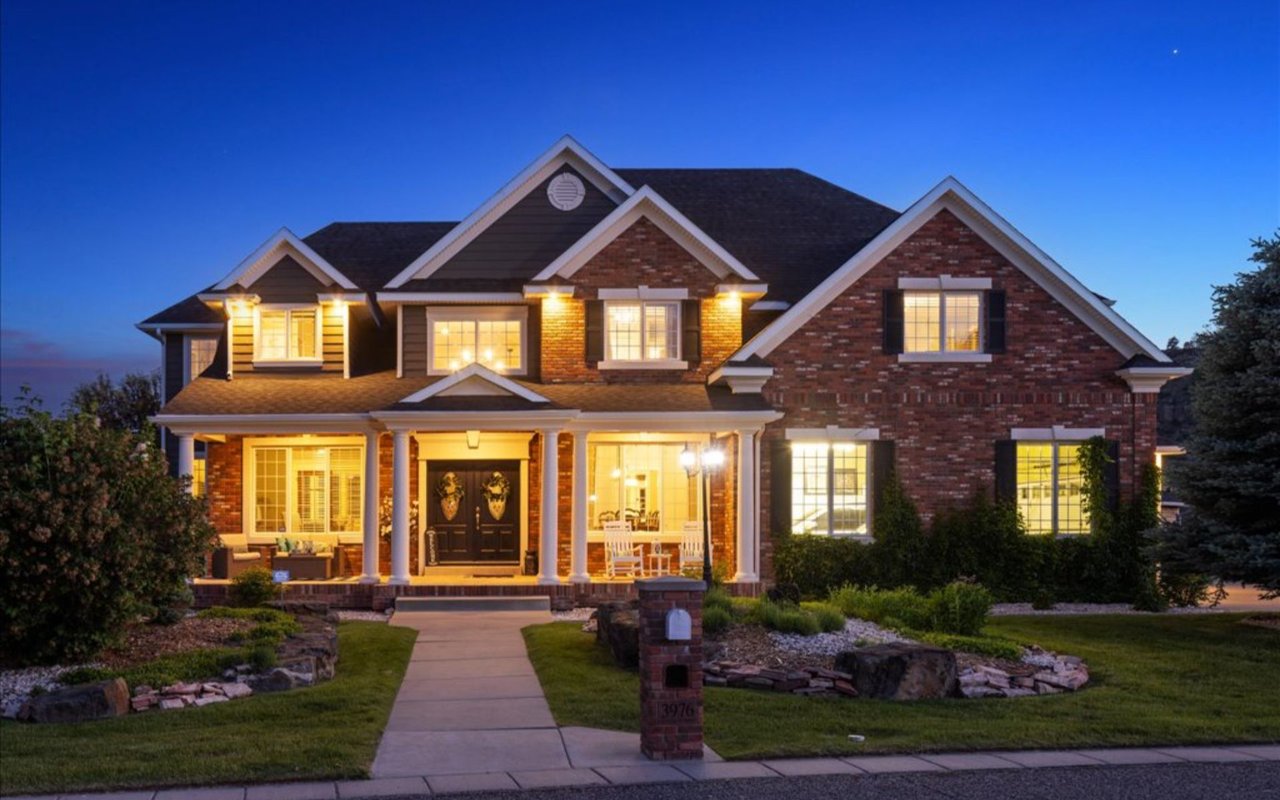
822 people live in Ironwood, where the median age is 50 and the average individual income is $78,868. Data provided by the U.S. Census Bureau.
Total Population
Median Age
Population Density
Average individual Income
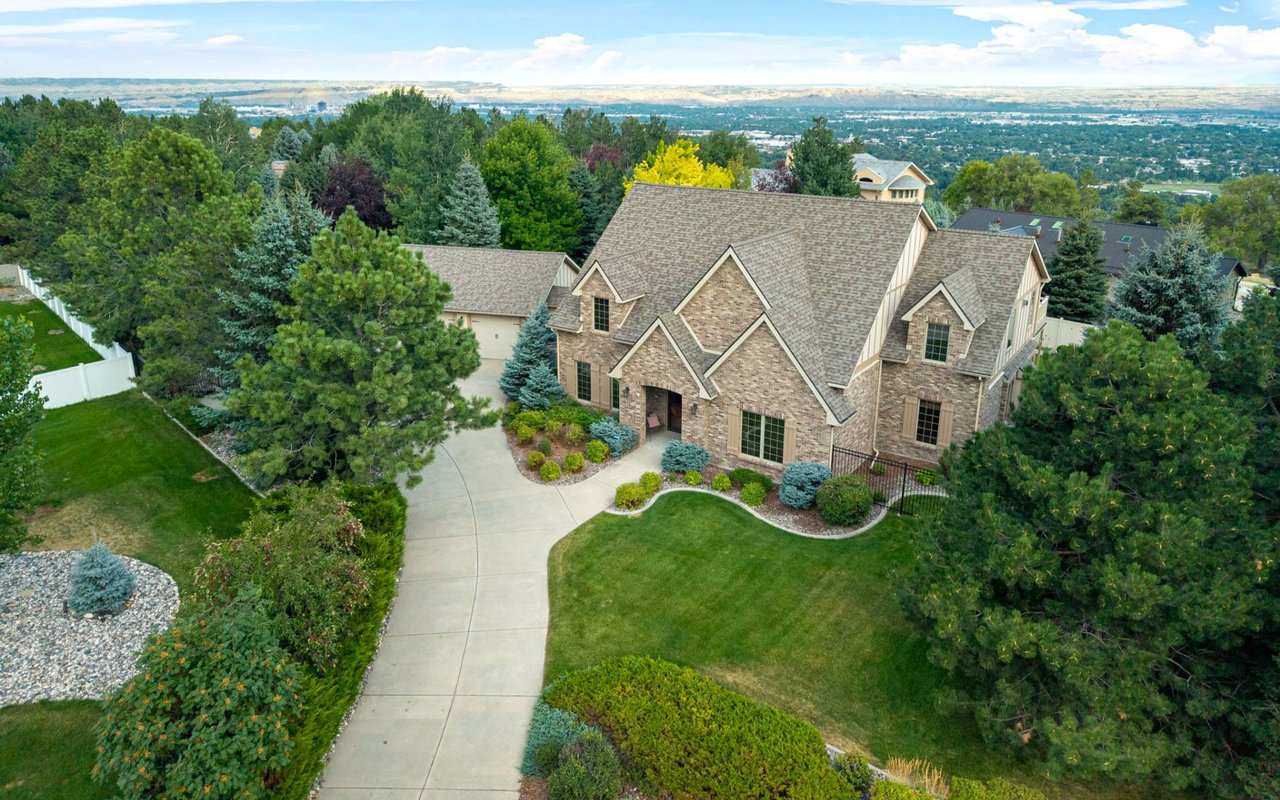
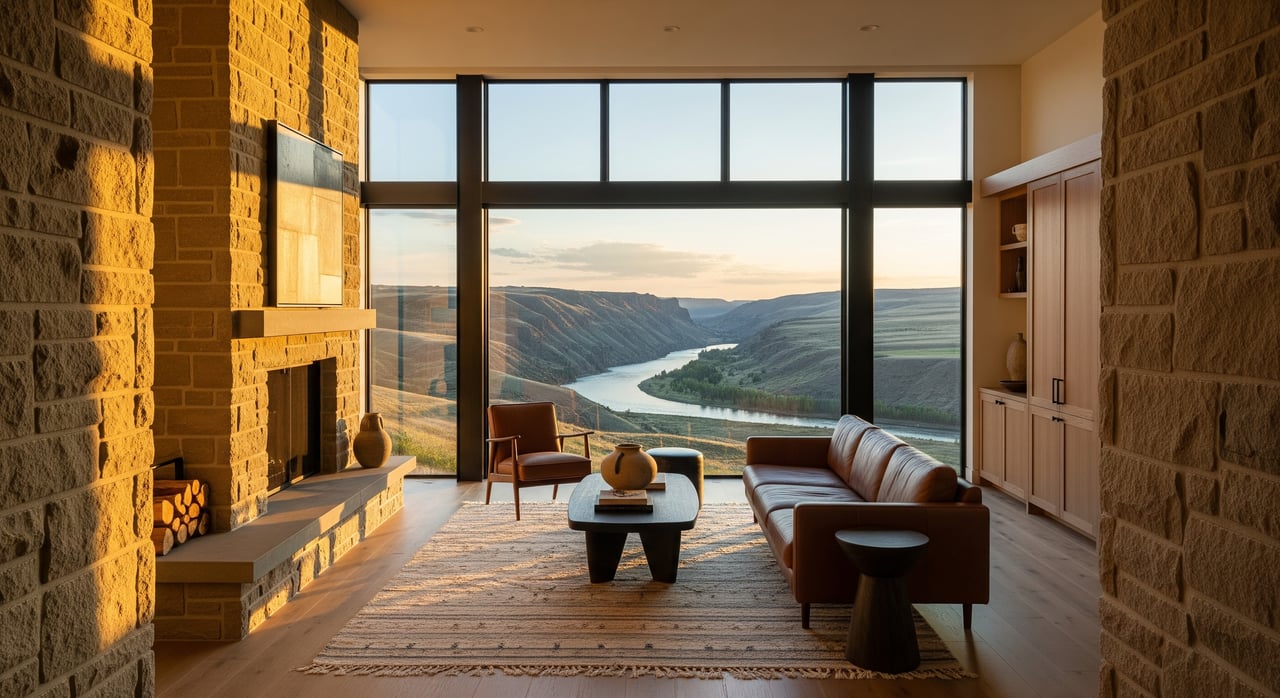
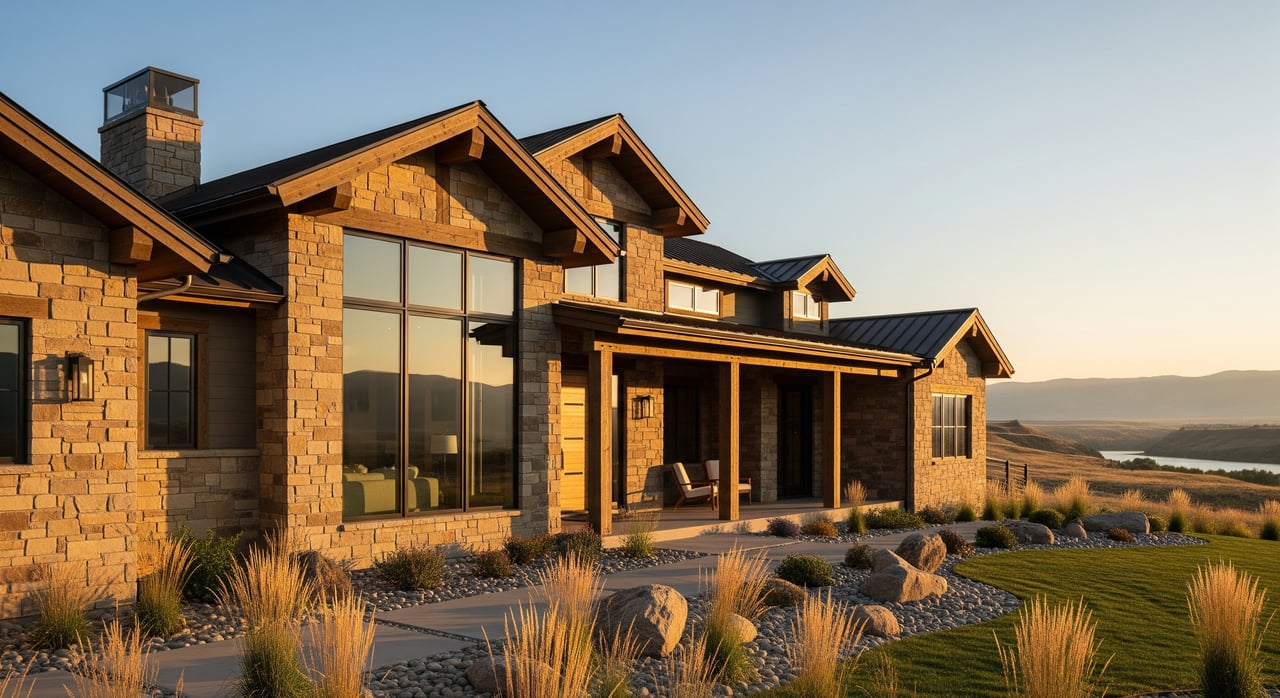
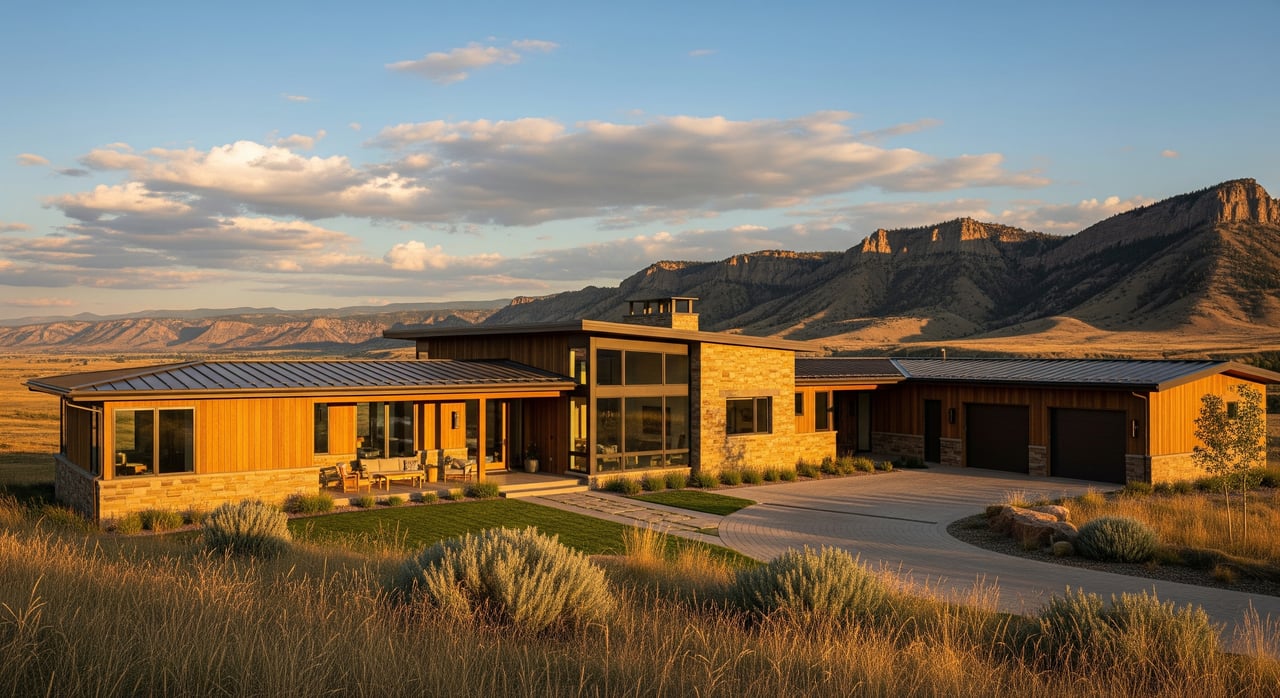
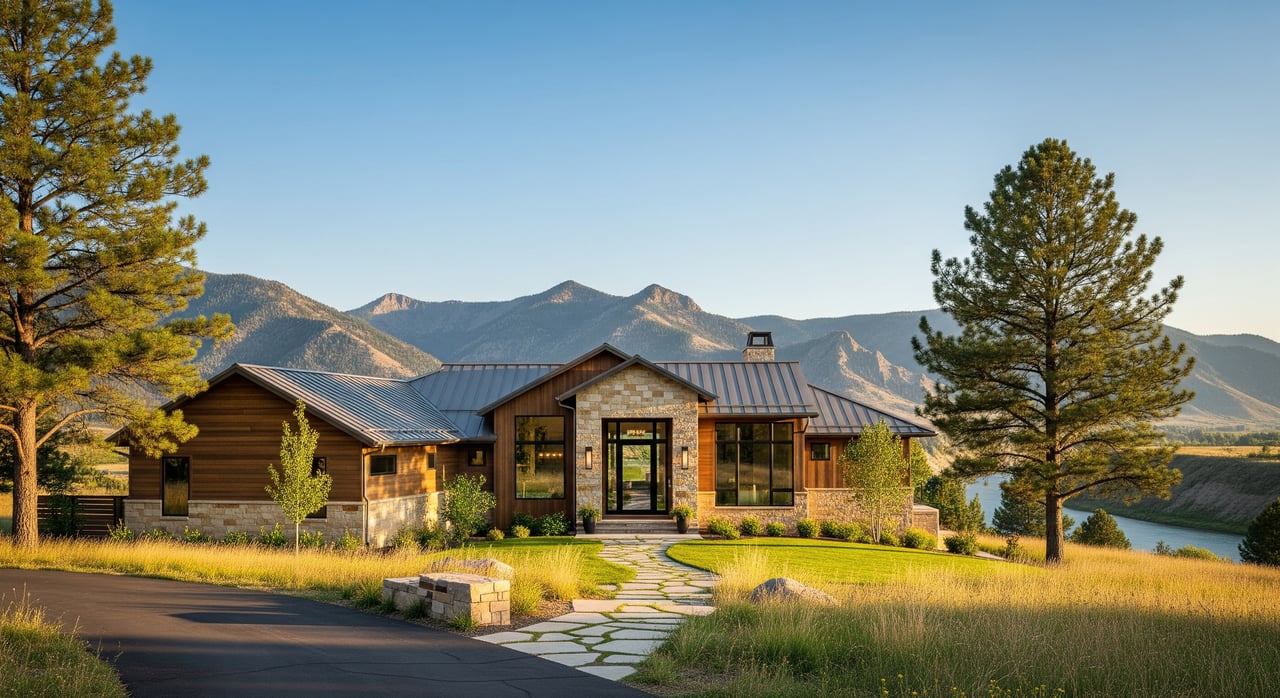
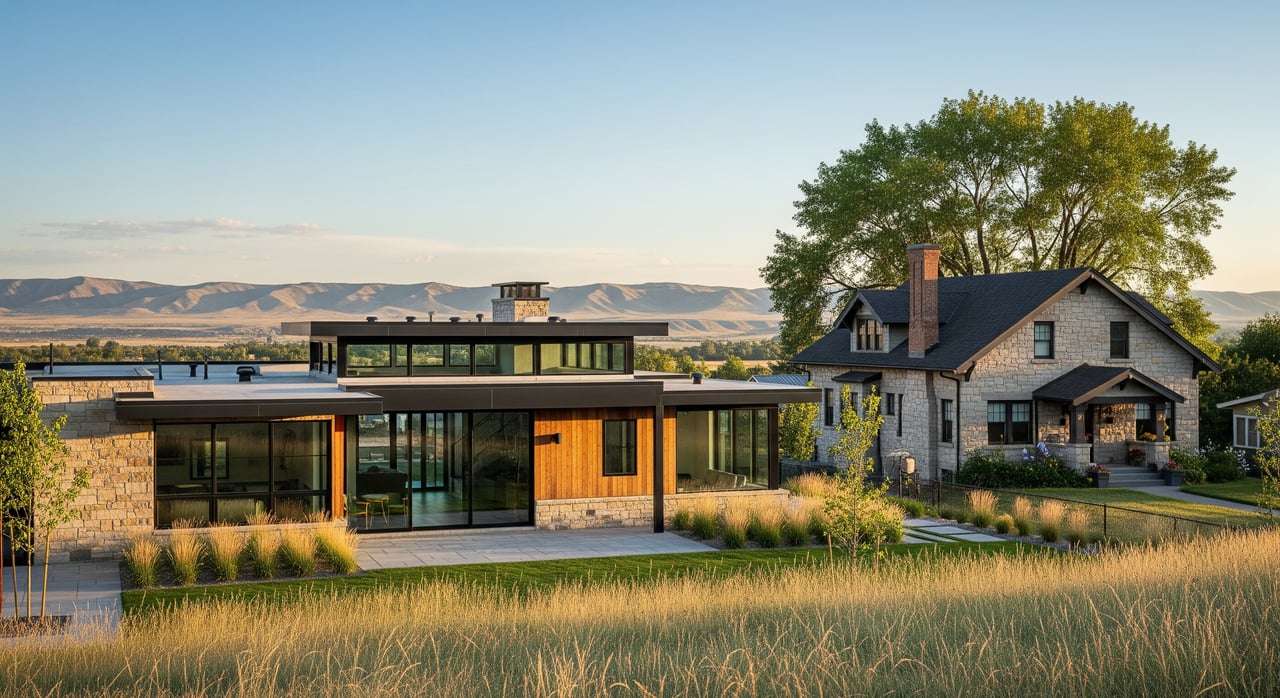
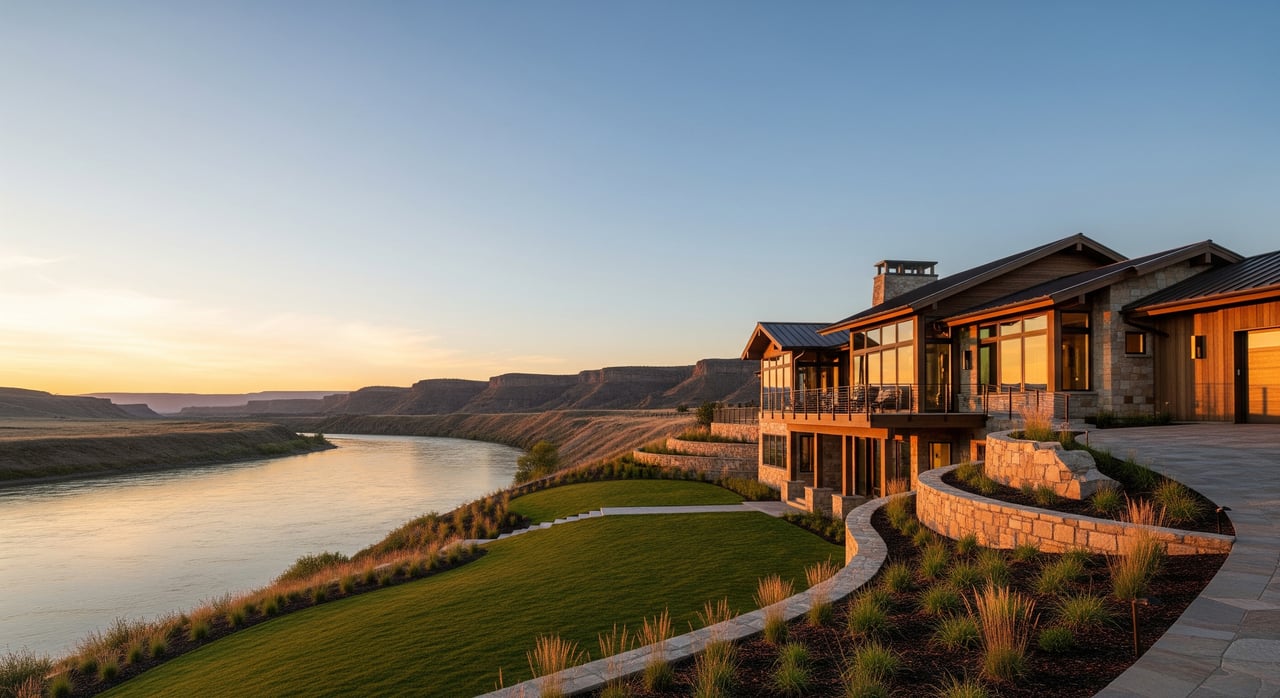
Ironwood (often referred to as Ironwood Estates) sits in the Far Northwest pocket of Billings, where custom homes, multi-acre lots, and Rimrock views have created one of the most insulated luxury sub-markets in Montana. Selling here is a different exercise than selling in the rest of the city. The buyer pool is smaller, the inspection standards are higher, and the marketing has to match the architecture. This guide walks you through everything that matters in 2026, from pricing strategy to negotiation, so you can move with confidence.
Ironwood enters 2026 as a balanced, slightly seller-leaning niche market — a meaningful contrast to the broader Montana landscape, which has shifted to give buyers more leverage. Mortgage rates have stabilized in the low-to-mid 6% range, and that predictability is bringing serious buyers back to the table after a stretch of hesitation.
What that means for you, practically, is that the frantic-bidding-war era is over, but Ironwood's premium status keeps it well-protected from any meaningful price erosion. Buyers in this price tier — typically $600,000 on the low end and well past $1.5 million at the top — are deliberate, well-advised, and increasingly value-conscious. They will pay strong, near-list-price numbers for the right property, but they will not chase an overpriced one. Sellers who price accurately from day one and present their home at the standard the neighborhood demands are still walking away with excellent equity. Sellers who try to "test the market" with an aspirational number tend to watch their home sit, then chase it down with price reductions that ultimately net less than a correctly priced listing would have.
Because Ironwood is a defined subdivision rather than a broad ZIP code, the data tells a tighter, more reliable story than citywide Billings averages.
Established single-family homes are actively listed between roughly $615,000 and $920,000, with ultra-luxury estates pushing past $1.5 million and reaching $2.5 million on the upper end. Price per square foot is consistently landing in the $200 to $250+ range, reflecting the custom architecture and high-end finishes that define the neighborhood. Even raw land tells the same story — undeveloped lots inside the subdivision are trading between $190,000 and $299,000, which signals continued demand from custom-build buyers who want into this specific pocket.
Days on market average 30 to 50 days for accurately priced homes. Estates above $1.5 million routinely take longer — sometimes 80 to 150+ days — simply because the qualified buyer pool at that level is small, even nationally. That is not a sign of a weak market; it is the natural rhythm of luxury real estate.
On absorption, Billings as a whole carries about a four-to-five-month supply. Inside Ironwood, with only a handful of active luxury listings at any given moment, the effective absorption rate runs closer to three to four months. Inventory is tight enough that values are well-supported.
The seller takeaway is straightforward: you still hold pricing power in Ironwood. But success in 2026 is built on patience, premium presentation, and a realistic anchor price.
The typical Ironwood buyer is an affluent, family-oriented household — often a high-earning professional, a relocating physician, or an executive moving from one of the larger metros into Billings for lifestyle reasons. They are not just buying square footage. They are buying a Montana lifestyle inside a quiet, upscale, well-built community.
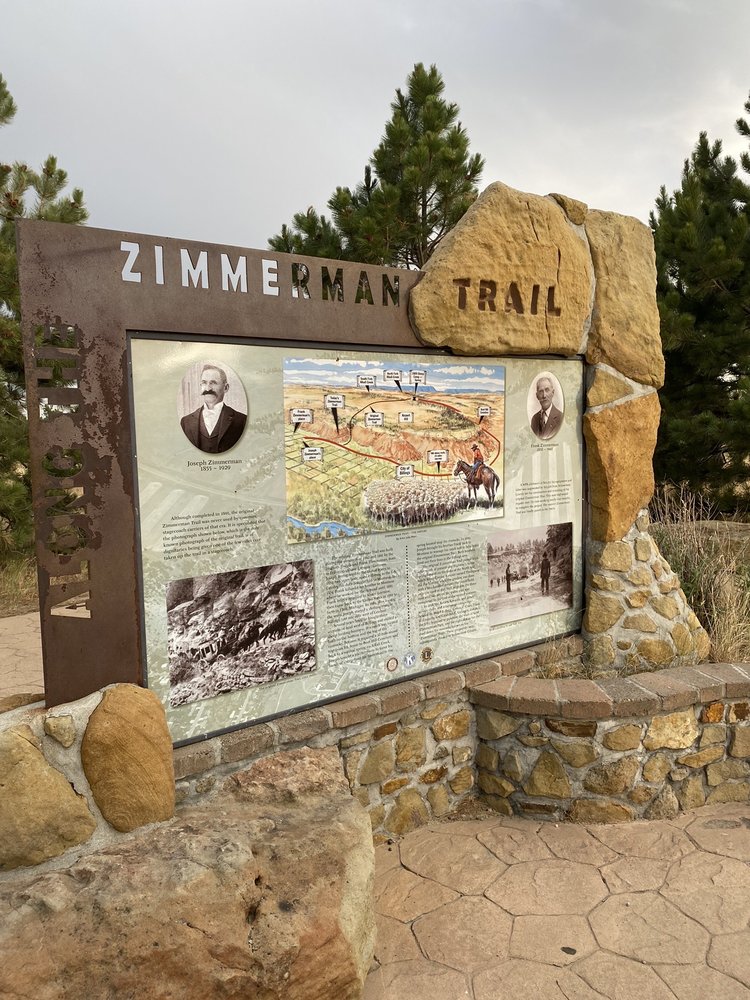
A few specific behaviors are driving buyer decisions right now. Renovation fatigue is real — after several years of high material and labor costs, buyers in this price range will pay a premium for turn-key homes and will negotiate hard against any property that needs meaningful work. They want open-concept main floors that pull a family together, but they also want segmented spaces for remote work, privacy, and quiet. And they choose Ironwood specifically because it offers walking paths, top-tier Northwest schools, and quick access to Zimmerman Park and upscale dining — all without sacrificing the privacy of a custom lot. Selling here means selling the neighborhood as much as the house.
Certain features consistently command higher price-per-square-foot in this market, and if your home has them, they belong front and center in your listing.
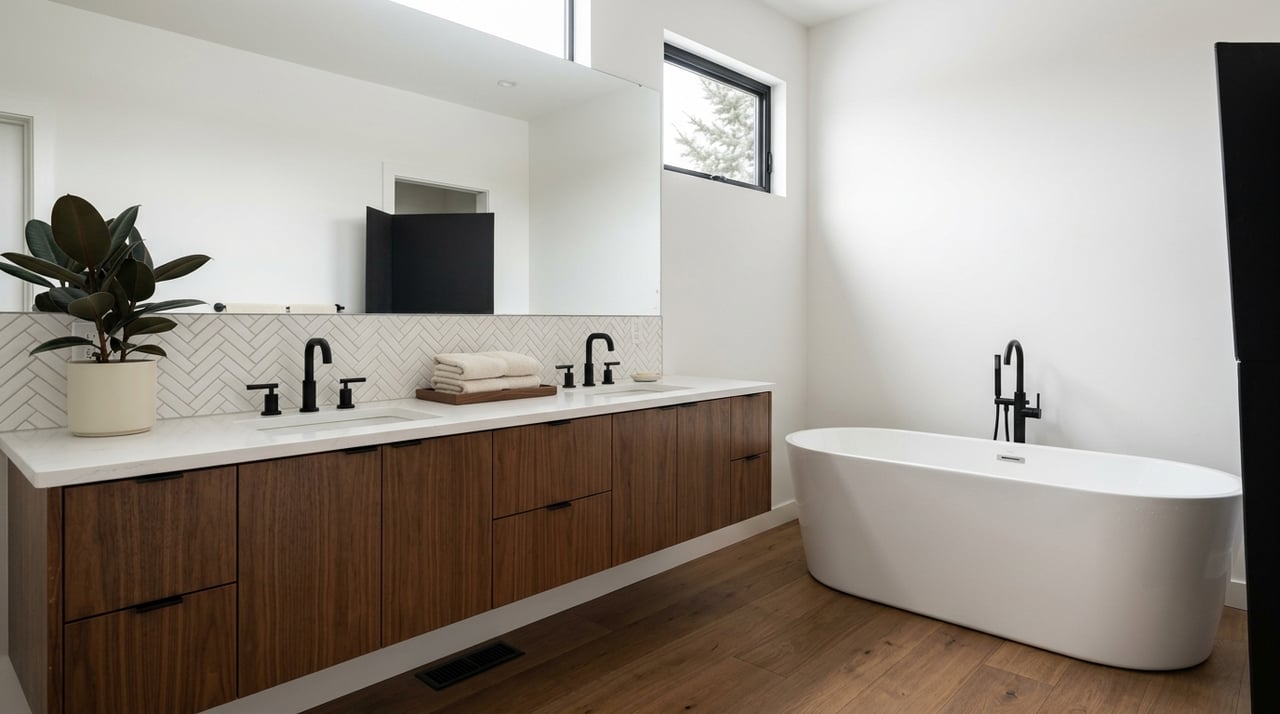
Main-level primary suites with spa-quality ensuites — freestanding tubs, dual-head tiled showers, oversized walk-in closets — are one of the strongest valuation drivers in the neighborhood. Buyers planning long-term residency will pay materially more for this layout than for an upstairs primary.
Garage space is the second major lever. A standard two-car garage will not get you to the top of the price band in Ironwood. Heated three- and four-car garages, or properties with an attached or detached shop sized for boats, trucks, and ATVs, sell faster and at a premium. In Montana, this is treated as functional infrastructure, not a luxury.
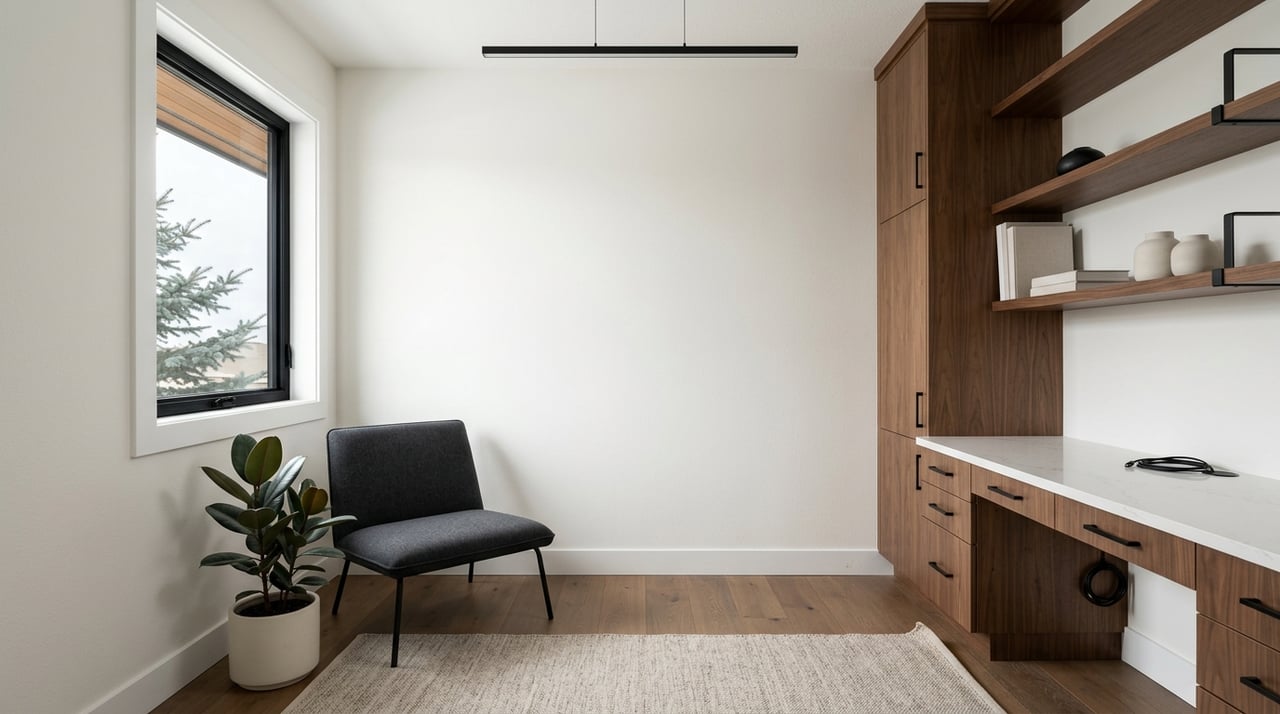
Dedicated home offices — ideally two of them, or a clear flex-room configuration — close more deals than single corner-desk setups. Buyers in this bracket largely work hybrid or fully remote, and they look at office layout the way past generations looked at dining rooms.
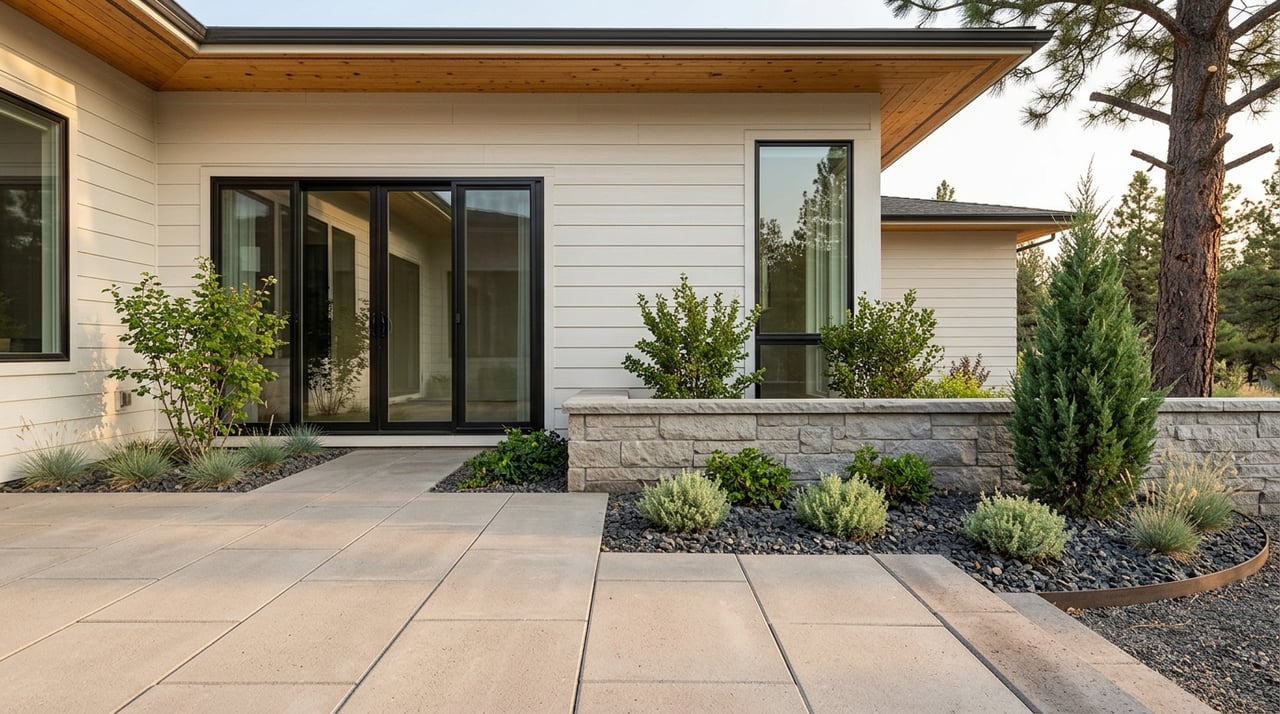
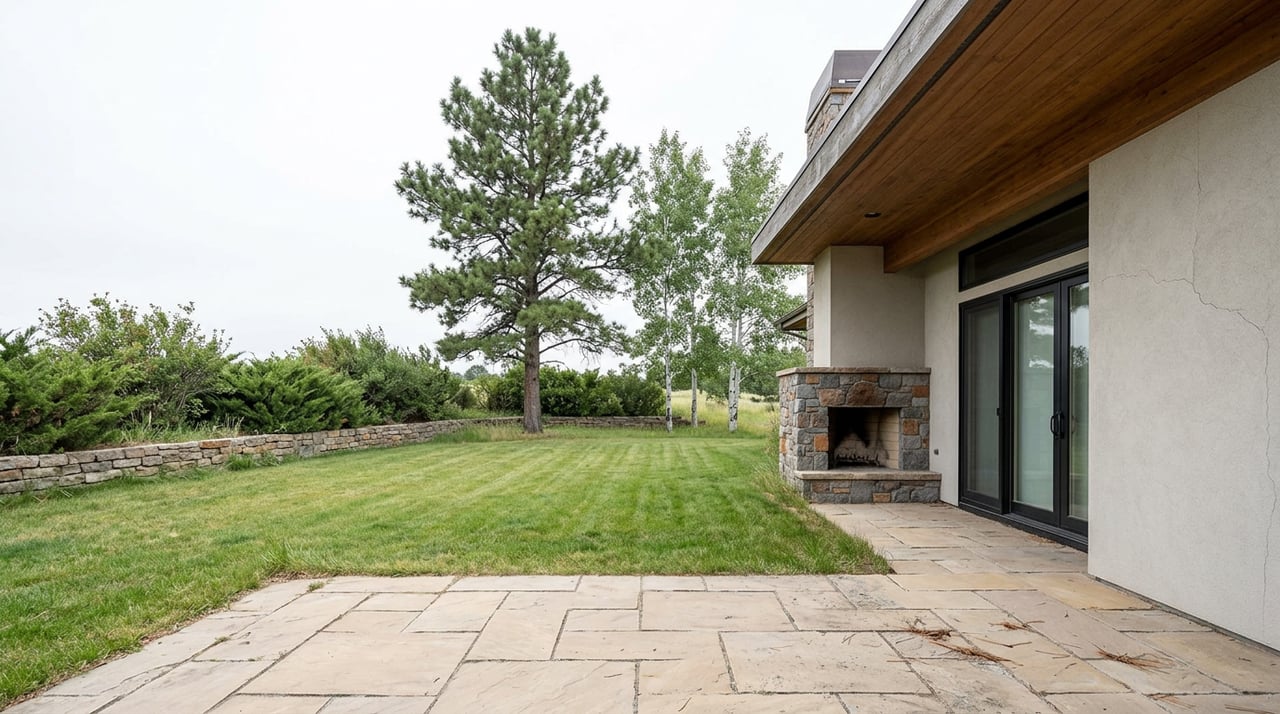
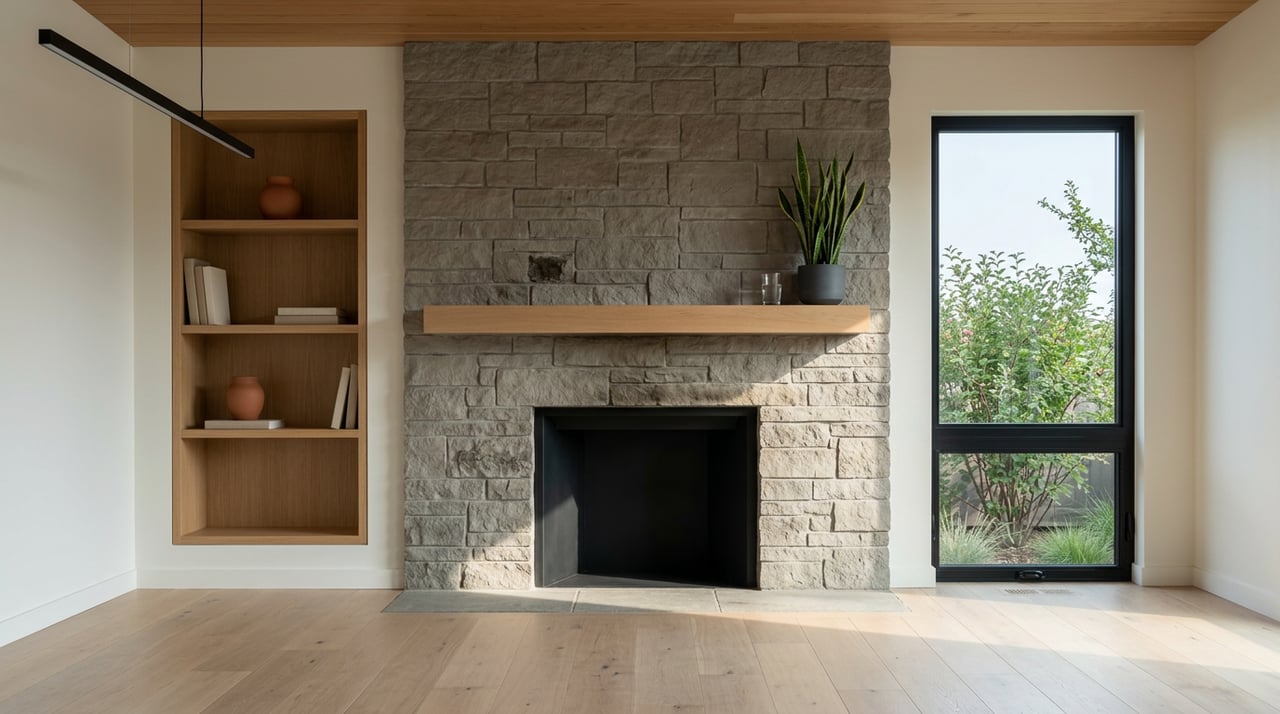
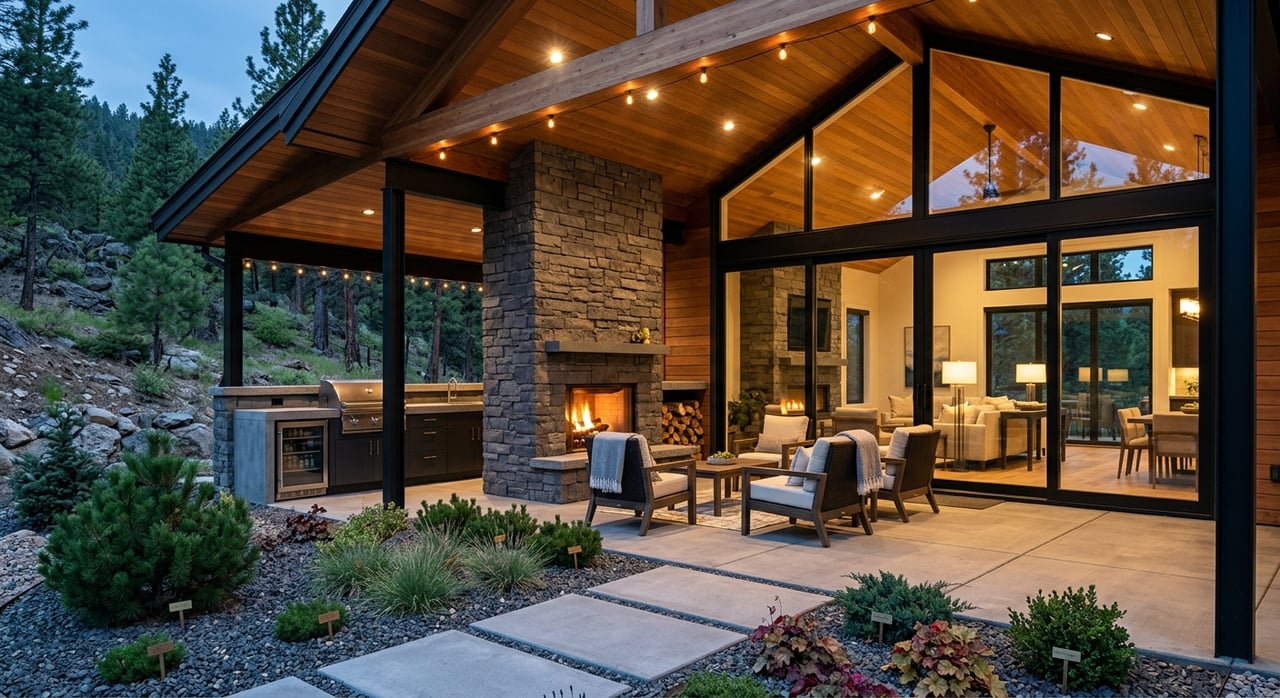
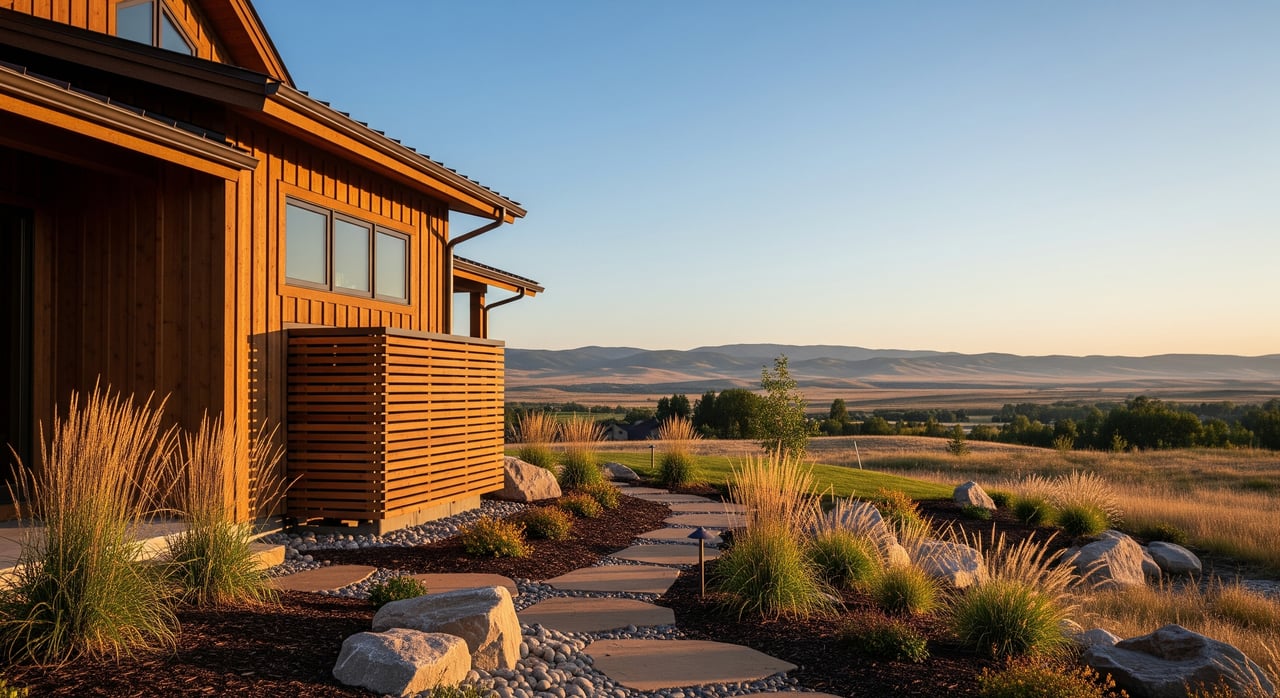
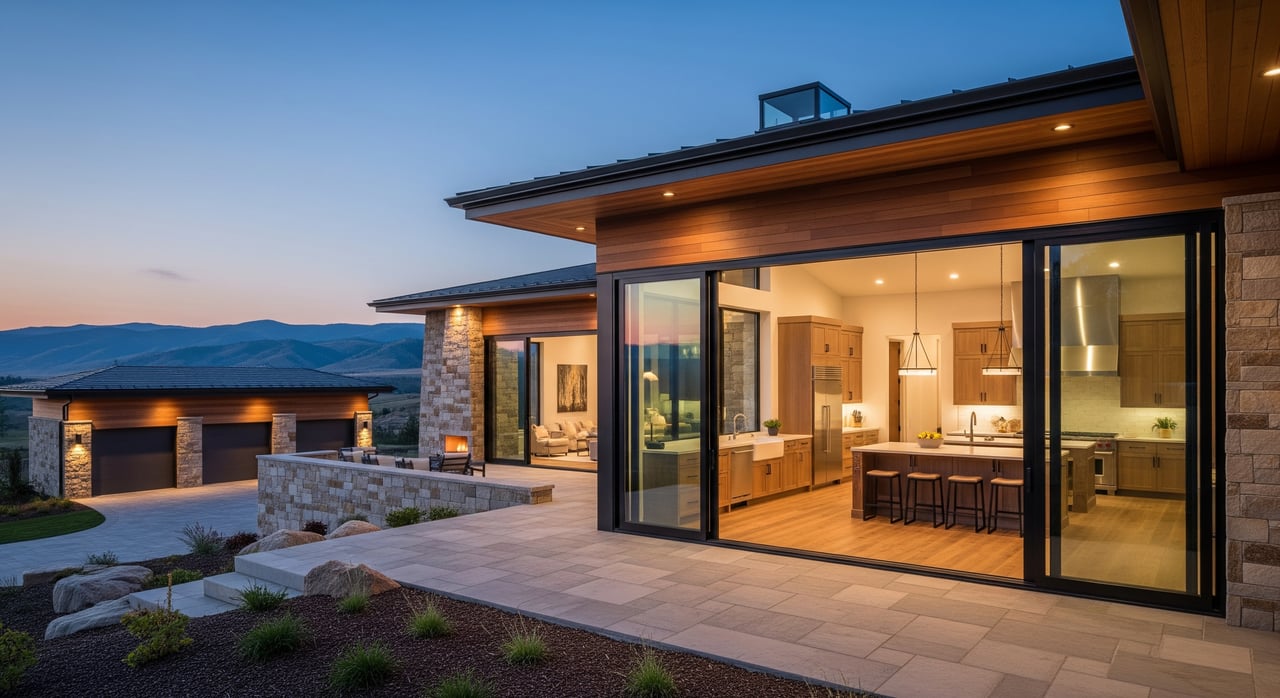
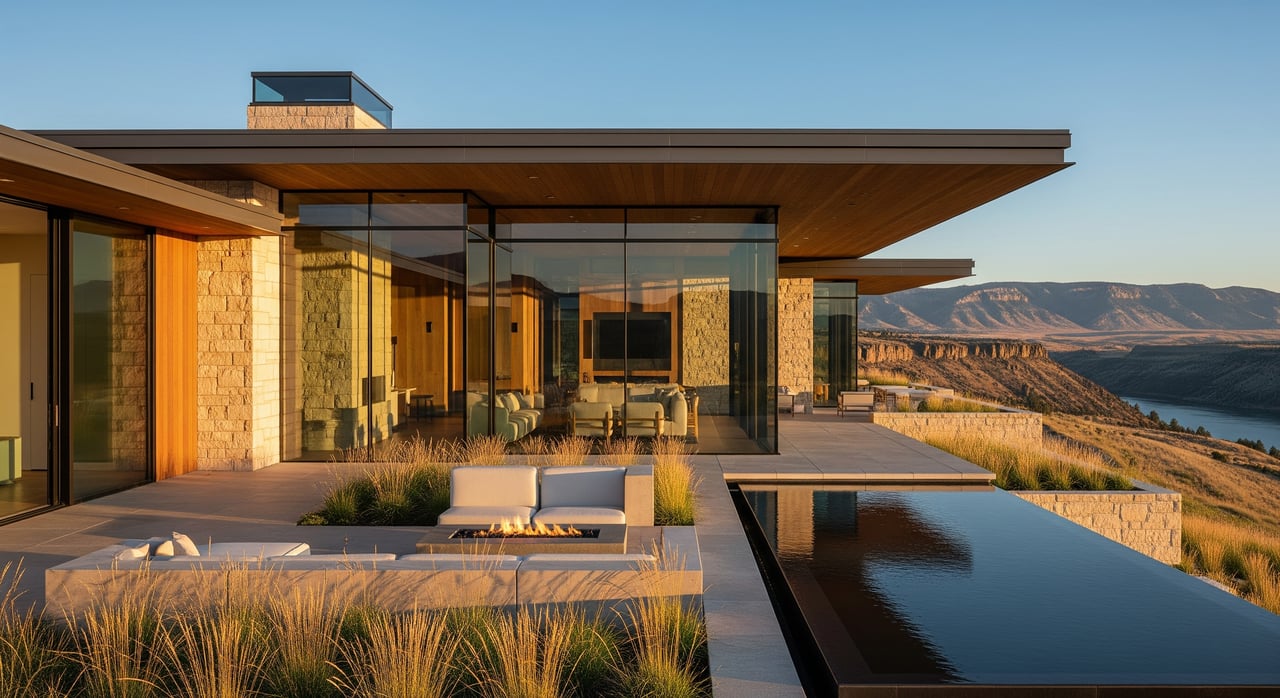
Outdoor living spaces have moved well beyond a concrete pad. Covered patios with built-in kitchens, gas lines for grilling, stone fireplaces or dedicated fire pit areas, and professional landscaping that balances manicured turf with low-maintenance native plantings are now table stakes at the top of the market.
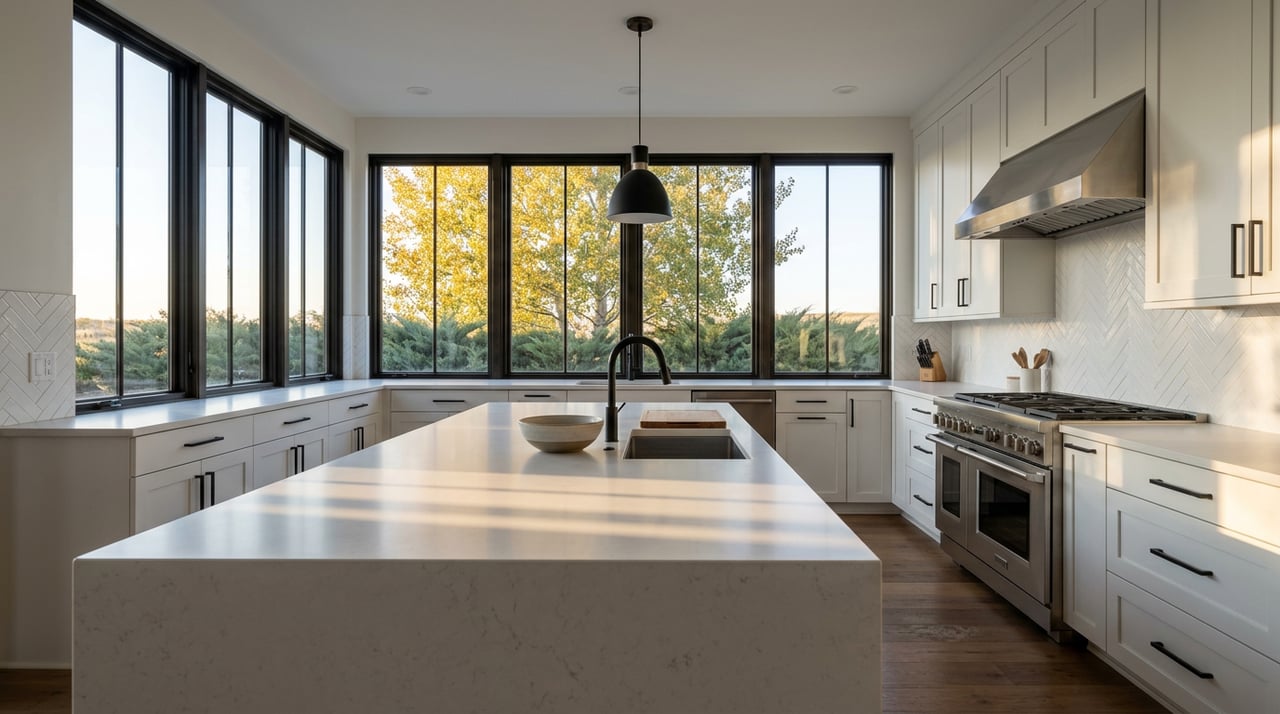
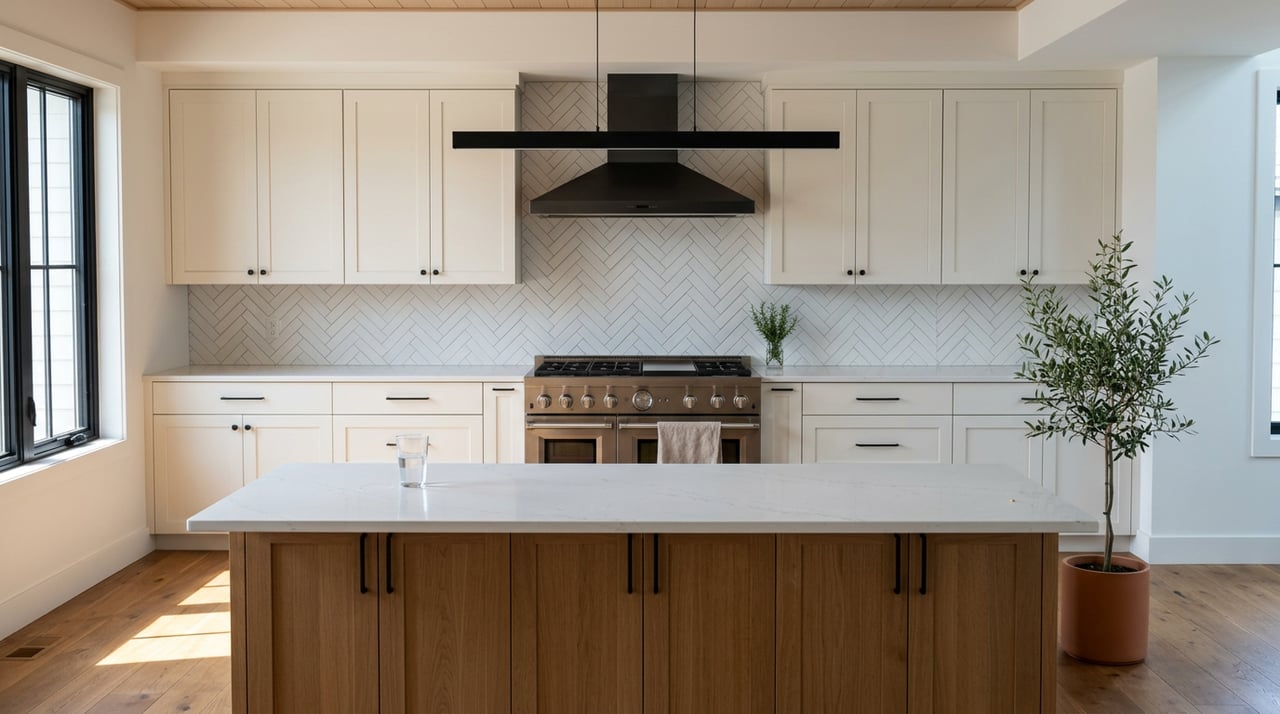
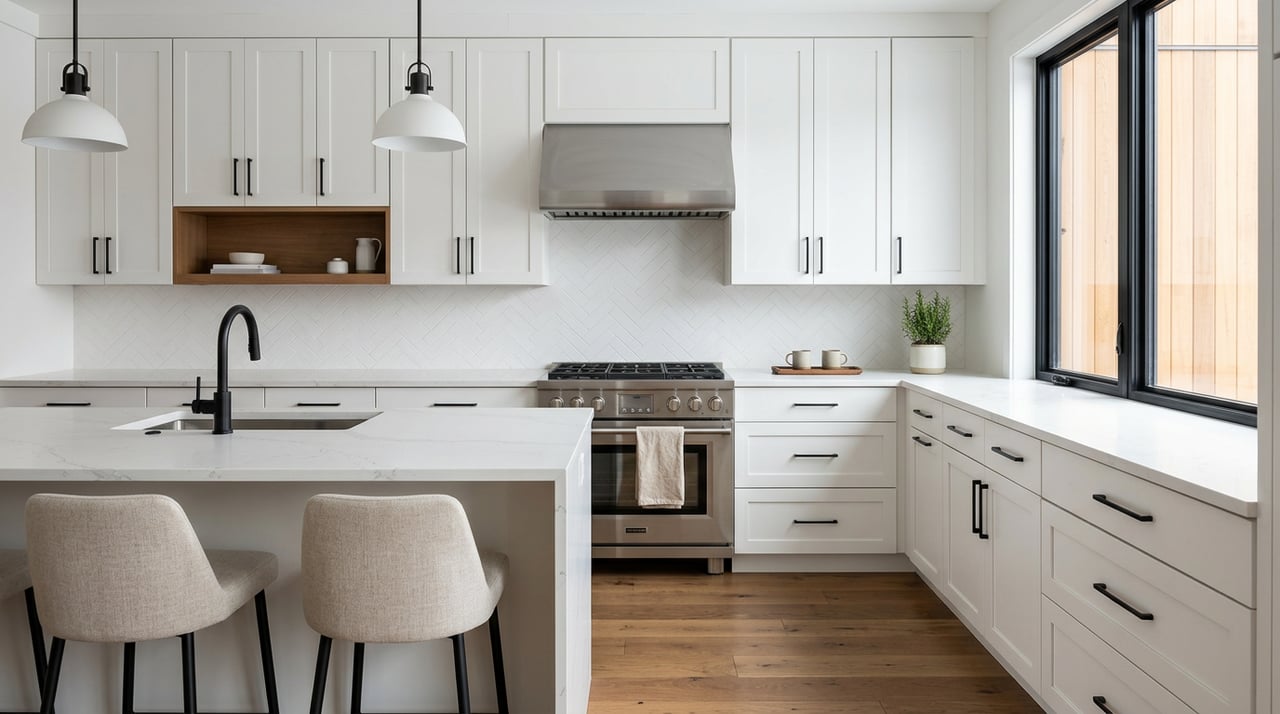
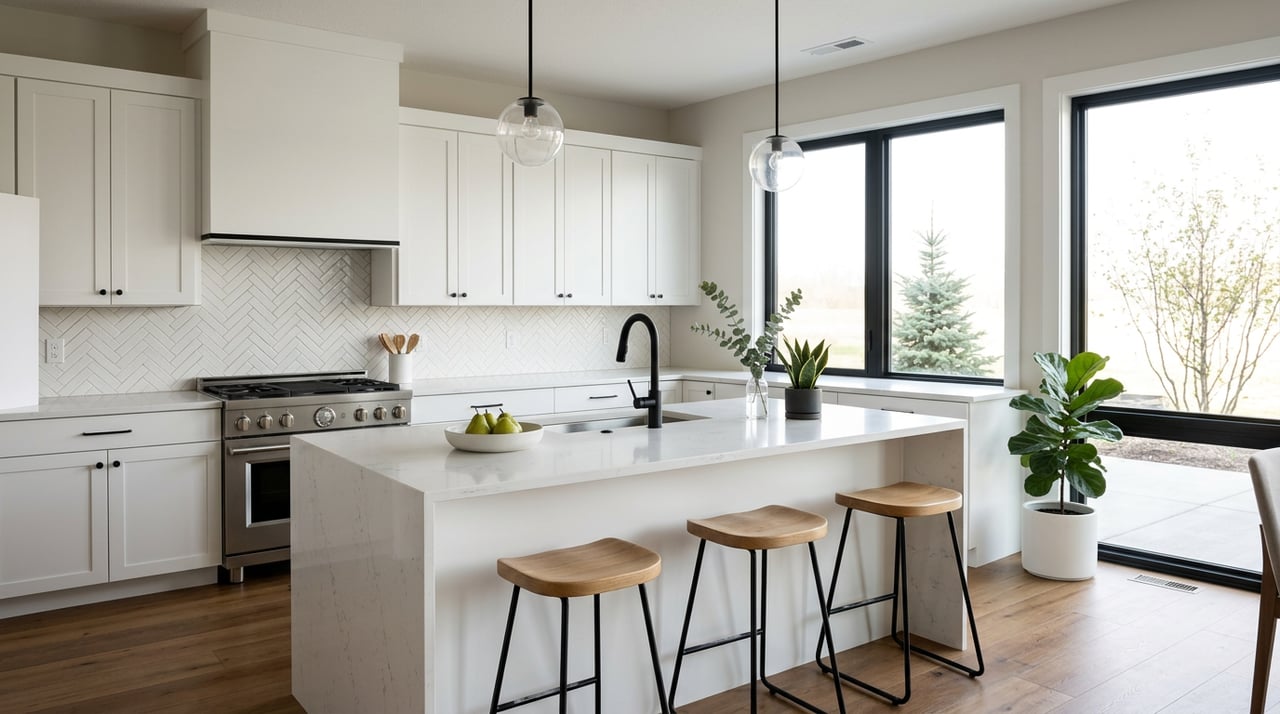
Chef's kitchens with high-end quartz or quartzite counters, professional-grade appliances (Sub-Zero, Wolf, or comparable), large central islands with seating, and a hidden walk-in pantry or butler's pantry are the single most discussed feature in Ironwood showings.
Finally, finished basements with daylight or walk-out access — configured as media zones, wet bars, guest suites, or workout rooms — add substantial value given that Ironwood homes commonly run 3,000 to 5,500+ square feet. A neglected, unfinished basement is one of the easiest places to leave money on the table.
Ironwood pricing is a comps-driven exercise, not a per-square-foot one. Custom homes resist clean formulas, and the market has organized itself into three distinct tiers.
In the mid-tier luxury bracket of roughly $600,000 to $750,000, recent activity includes a contingent sale on Ironwood Drive at approximately $617,500 for a 2,700-square-foot, 4-bed/4-bath home — close to $227 per square foot. Homes on Woodcreek Drive and Timbercove Drive in the 3,300 to 3,800-square-foot range are pricing and selling between $689,000 and $699,000.
In the upper-tier luxury bracket of $800,000 to just over $1 million, larger footprints of 3,800 to 4,500+ square feet with premium custom updates — including recent listings on Summerwood Drive and Timbercove Drive — are commanding between $919,000 and $1,049,000.
At the estate level above $1.5 million, true custom builds of 5,600 to 8,300+ square feet on view-heavy lots, like recent entries on Autumnwood Drive, are testing the market anywhere from $1.52 million up to $2.49 million.
The pricing strategy I recommend for 2026 is what I call the "sweet spot" approach: price within 2% to 3% of the most recent comps drawn specifically from inside Ironwood — not from broader West End data, which will mislead you. Today's buyer is sophisticated and watching the MLS daily. A home priced $20,000 over its true comp value will cross the 30-day mark, lose momentum, and ultimately sell for less than it would have at the correct number. One important nuance: in Billings, finished basement square footage does not appraise at the same dollar value as above-grade space. If a large portion of your total footprint is below grade, your effective price-per-square-foot needs to adjust accordingly.
Timing in this neighborhood is shaped by two things: school calendars and Montana weather.
The strongest window by a wide margin is April through June. Families with children want to be under contract in the spring so they can close, move, and settle before the new school year begins. It is also the period when your landscaping, outdoor kitchens, and Big Sky views photograph at their absolute best — and in Ironwood, the exterior carries enormous weight in the listing.
The secondary sweet spot is September into October. Inventory thins after the summer rush, and motivated relocation buyers — often medical professionals coming into Billings Clinic or St. Vincent Healthcare, or executives transferring in — push hard to close before winter. You face less competition from other sellers in this window, which can work strongly in your favor.
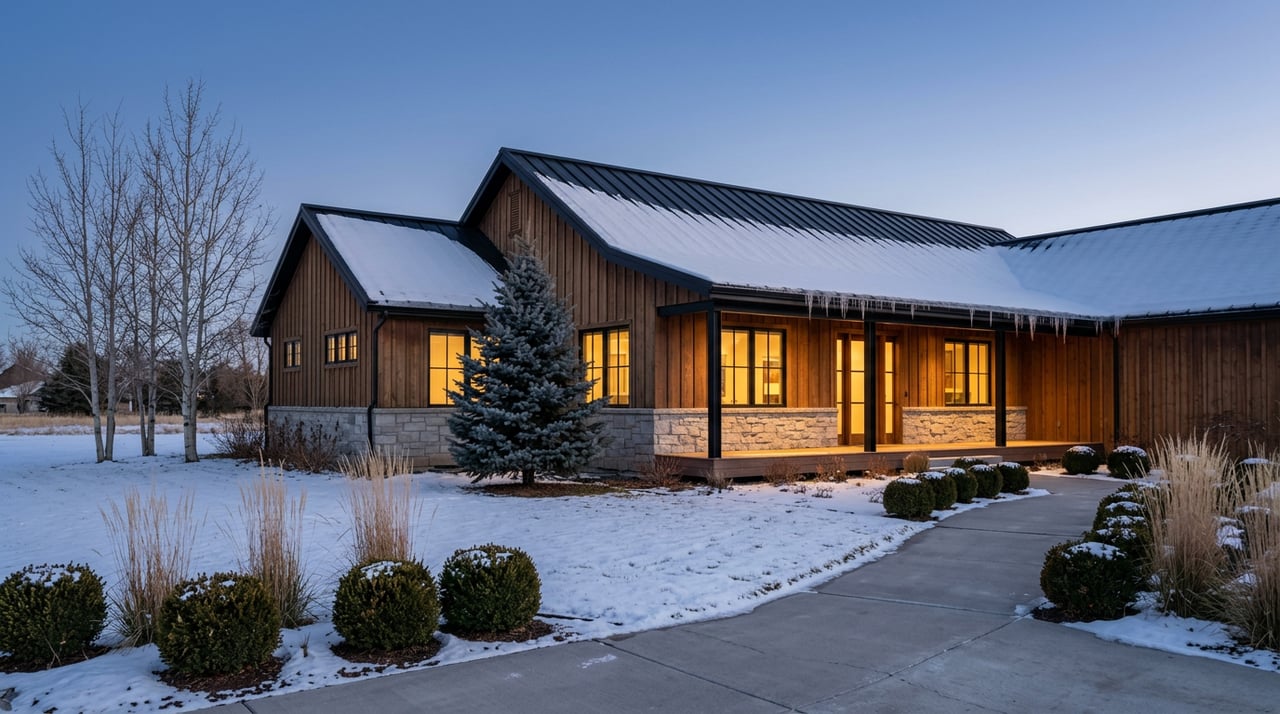
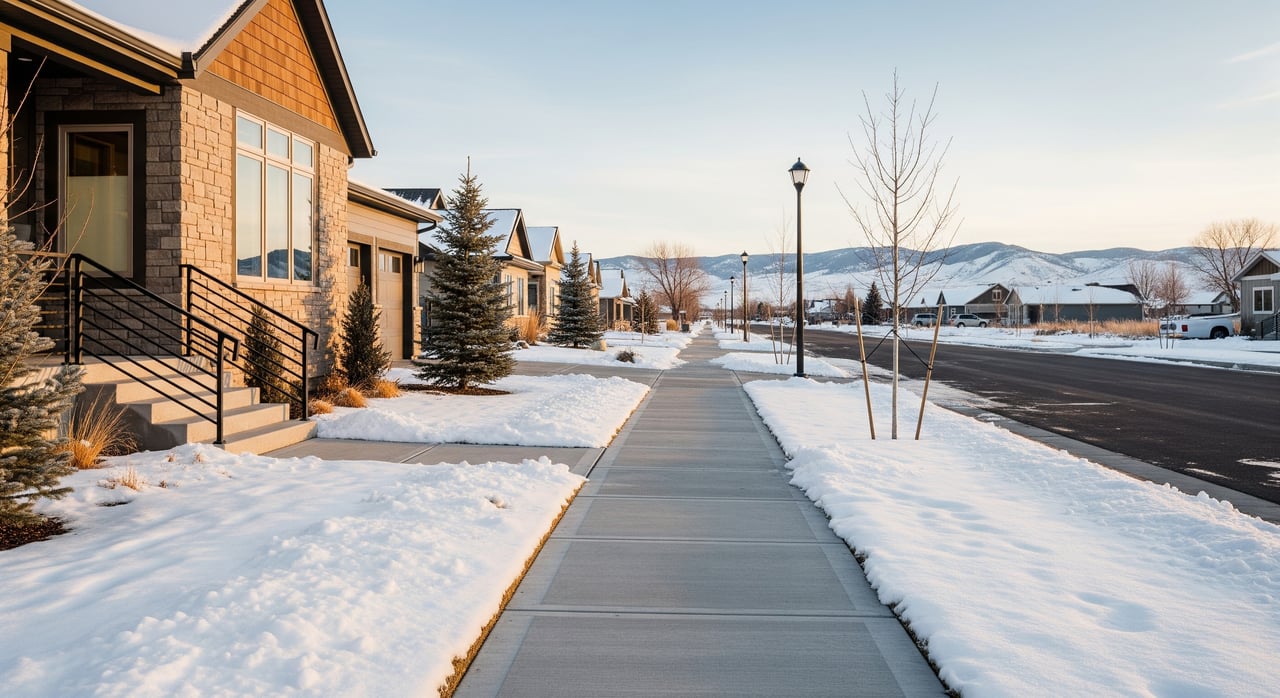
November through February is the period I most often advise sellers to avoid unless circumstances require a listing then. Holiday distractions cut buyer traffic, snow obscures the landscaping and lot features that drive Ironwood premiums, and showings in subzero weather are simply harder to schedule. There are exceptions — a relocation buyer with a deadline does not care about the calendar — but on average, winter listings net less and take longer.
Buyers in the Ironwood price range hire rigorous inspectors. Three issues come up almost every time in Billings, and addressing them before you list is one of the highest-ROI moves you can make.
Radon is the first. Montana sits among the highest-radon states in the country, and Ironwood homes — with their large, beautifully finished basements — get scrutinized closely. Run a 48-hour radon test before listing. If you read 4.0 pCi/L or higher (the EPA action level), install a sub-slab depressurization mitigation system through a certified local technician. It typically runs $1,500 to $2,500 and eliminates one of the largest negotiation points a buyer can raise.
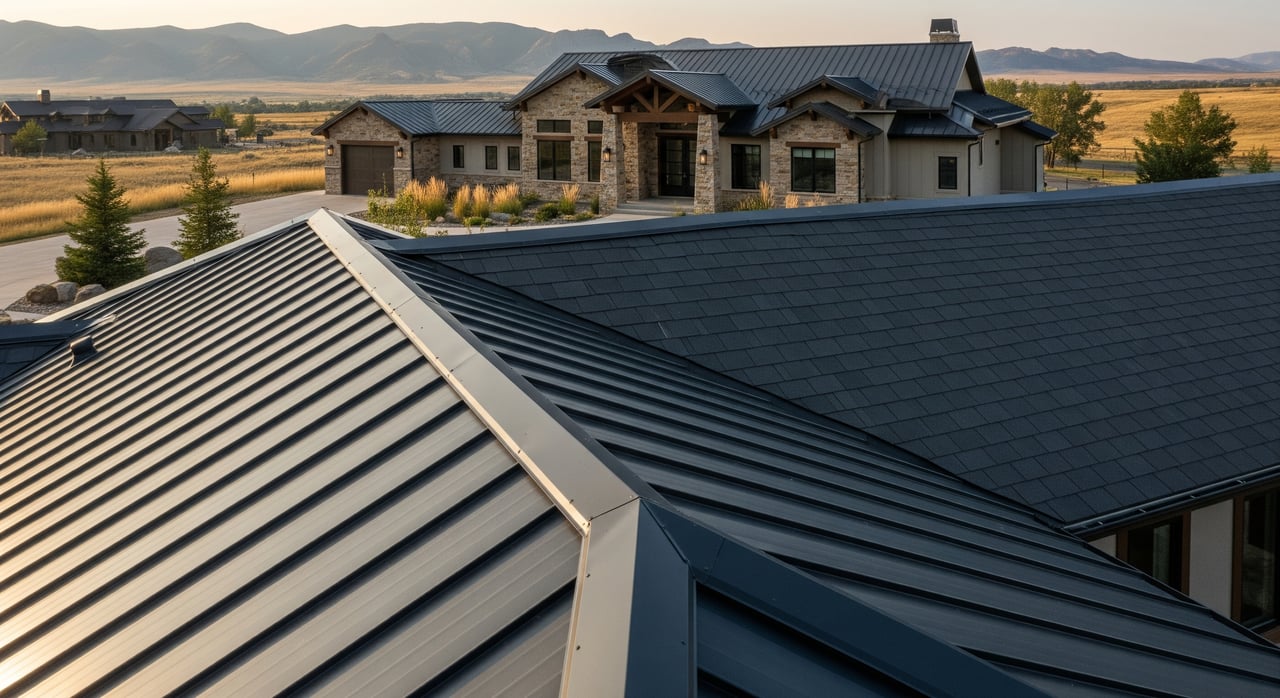
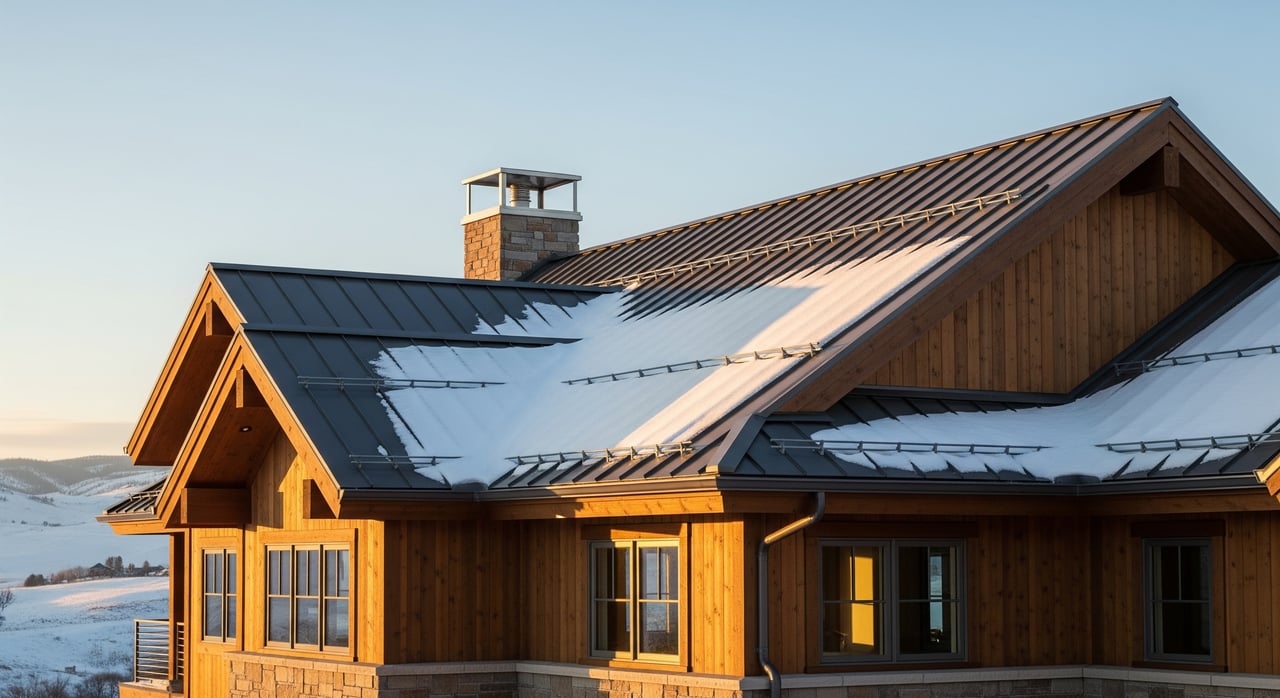
Roof and hail damage is the second. Billings sits in a corridor that takes severe summer supercell hail, and several recent summers have produced golf-ball to baseball-sized hail across the West End and Northwest. Buyers and their insurance carriers will scrutinize your roof closely. Have a licensed roofer perform a pre-listing inspection. If there is unaddressed damage, file an insurance claim now and get repairs or a replacement done before you list. If the roof is clean, ask for written certification you can include in your disclosure packet — it directly addresses buyer concerns about future insurability and premium rates.
Wells and septic systems apply to many of Ironwood's larger perimeter lots. If your property runs on private water or septic, get them serviced before listing. Pump and inspect the septic tank and obtain a written compliance report. For the well, run a comprehensive water quality test (bacteria, nitrates, mineral content) and a flow-rate drawdown test demonstrating strong yield. Montana buyers will ask for these documents, and having them in hand before the first showing strengthens your negotiating position considerably.
Ironwood buyers are looking for a clean, prestigious aesthetic that harmonizes with the surrounding Montana landscape. The goal is to feel like a quiet, intentional luxury home — not an overstyled showroom.
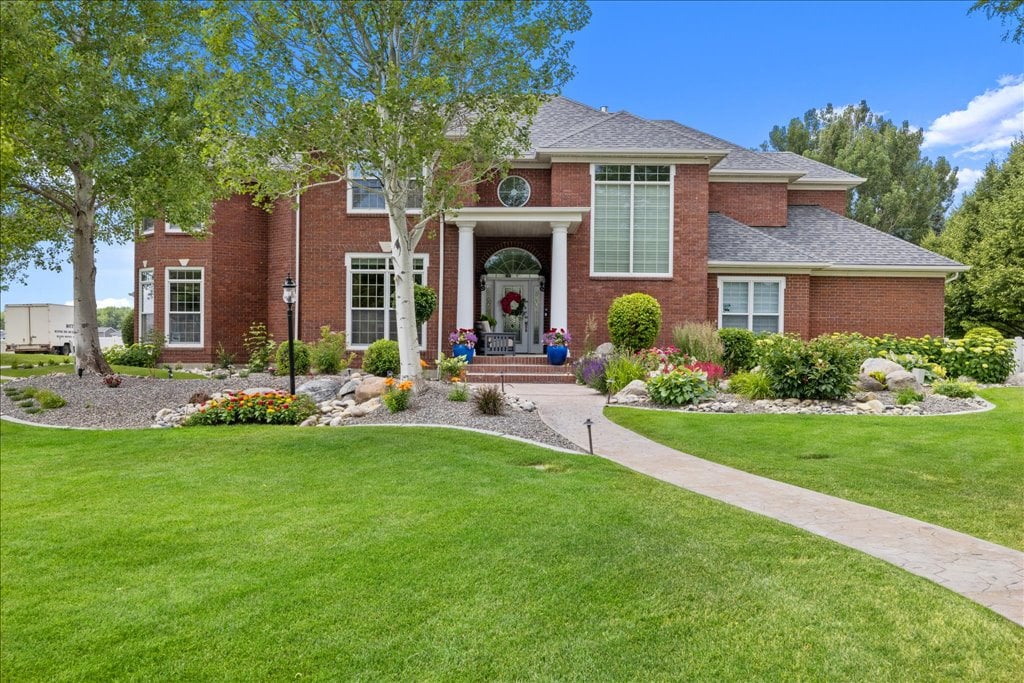
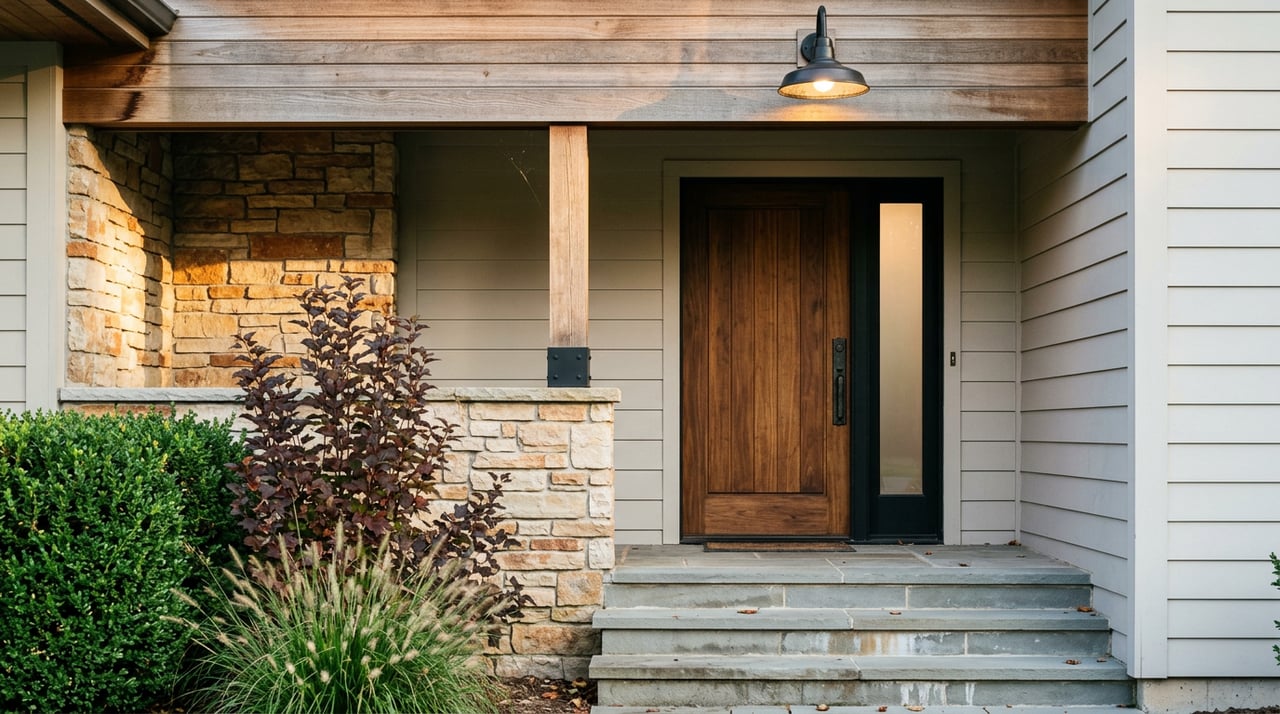
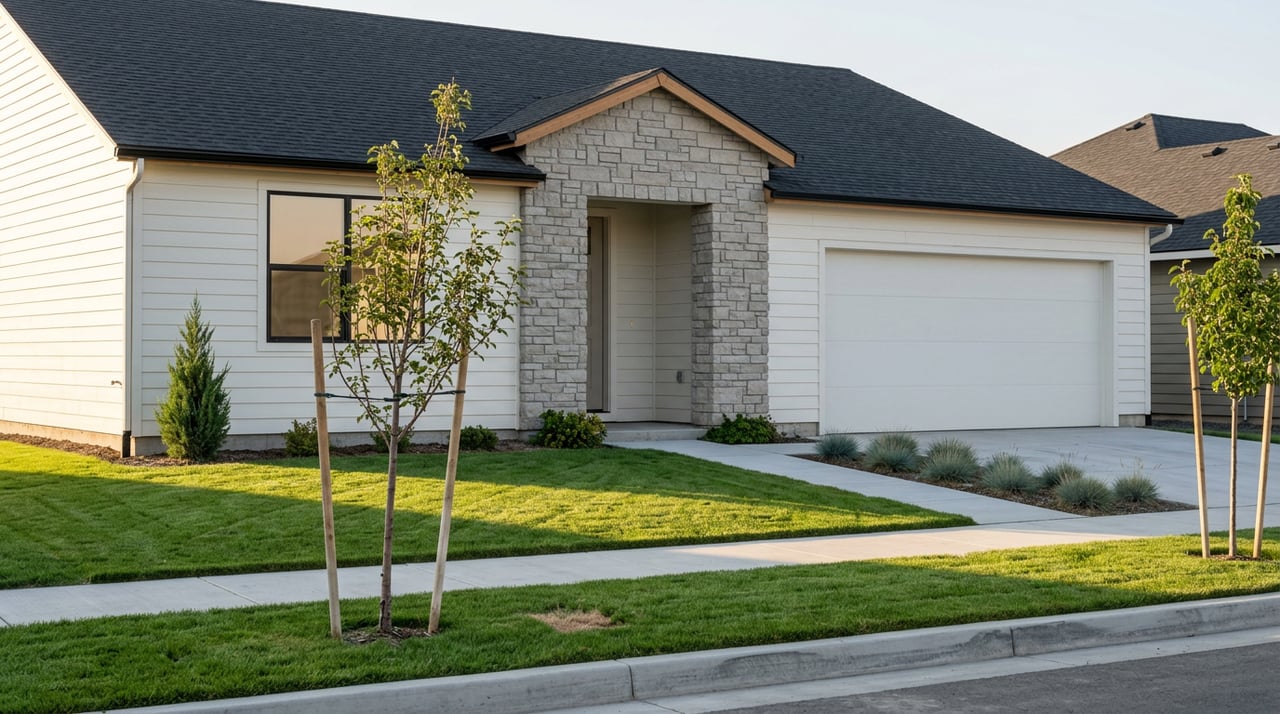
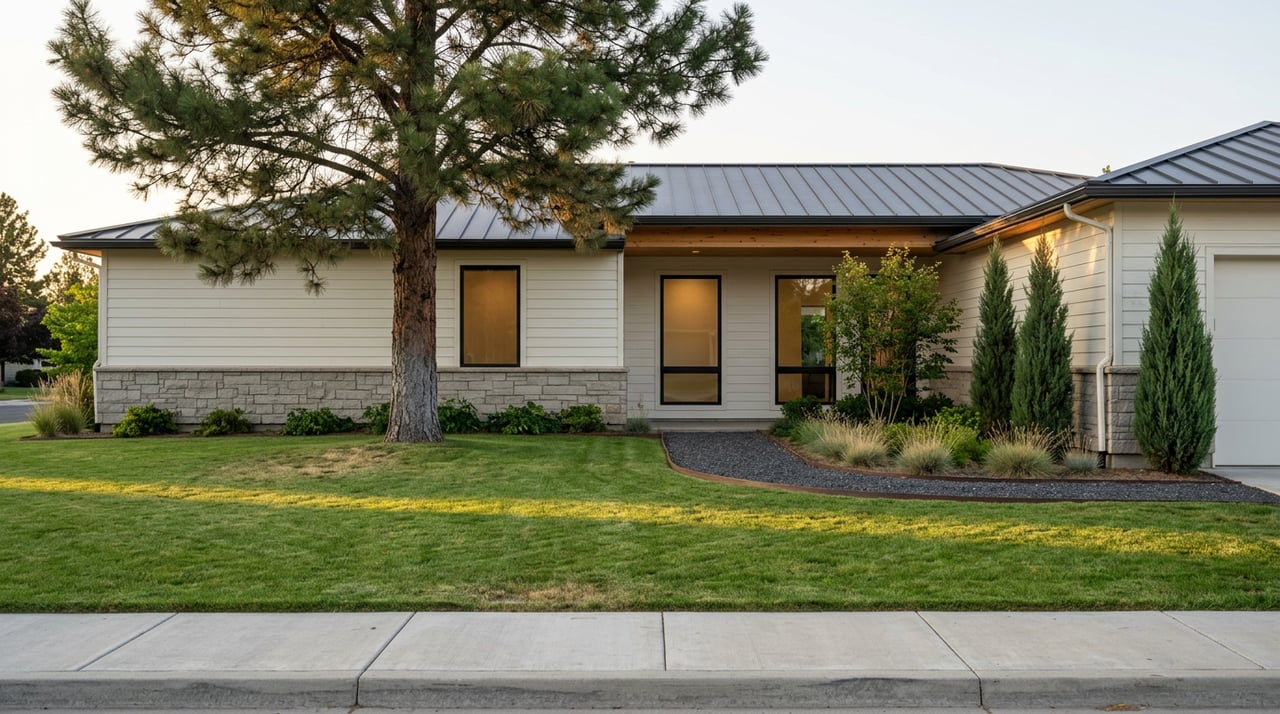
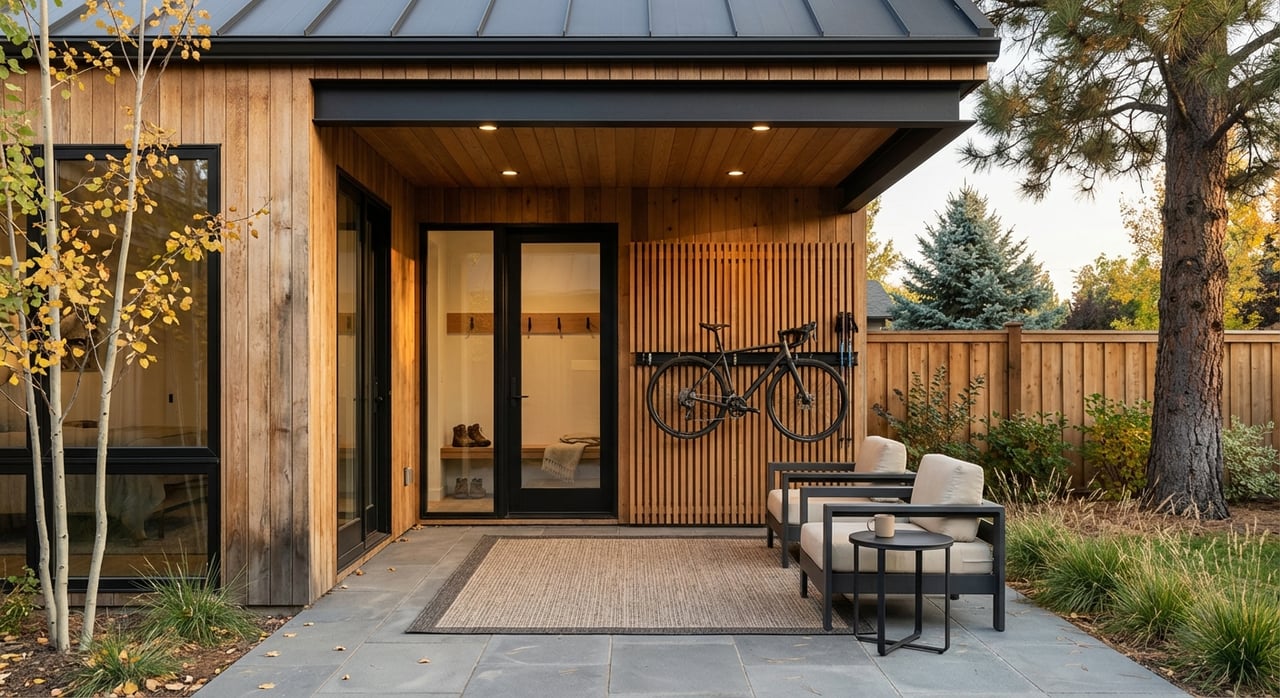
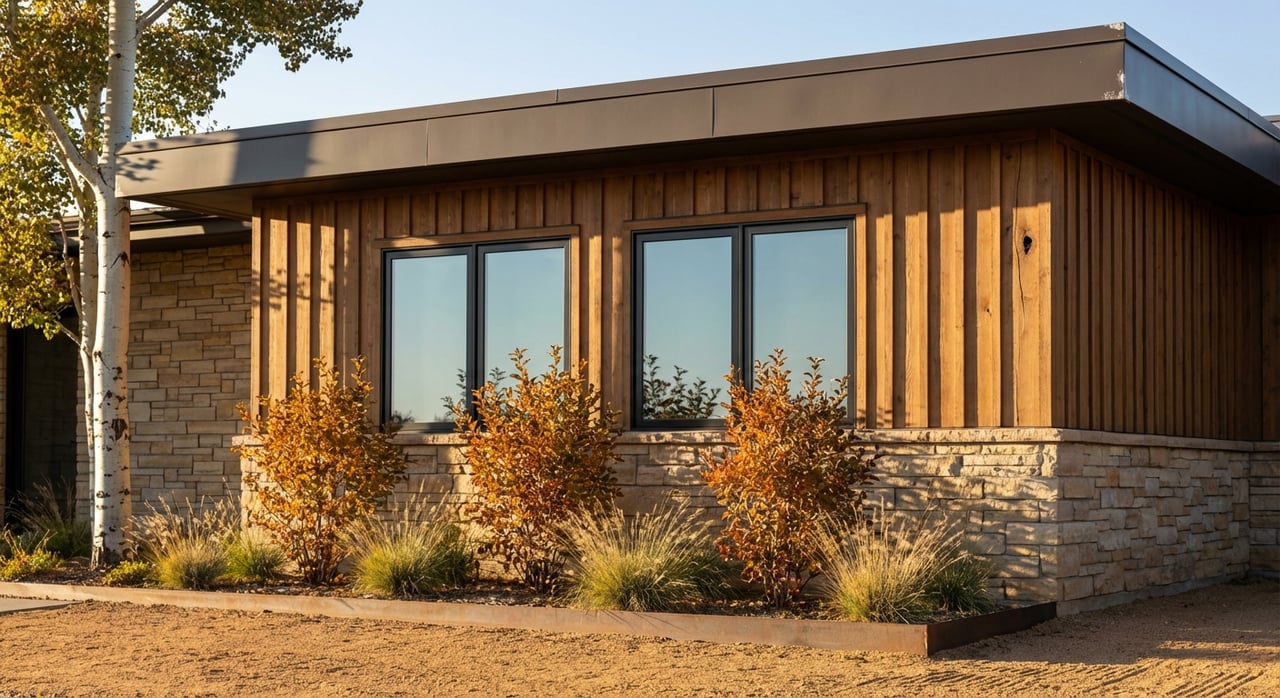
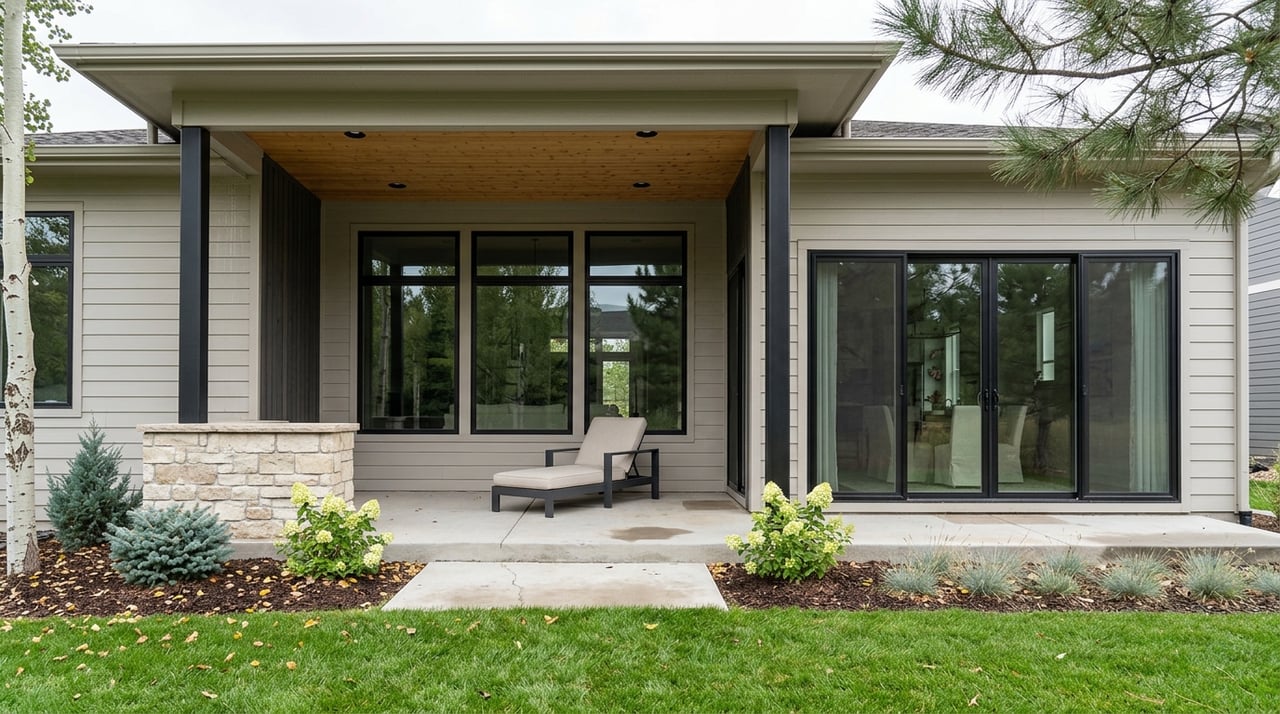
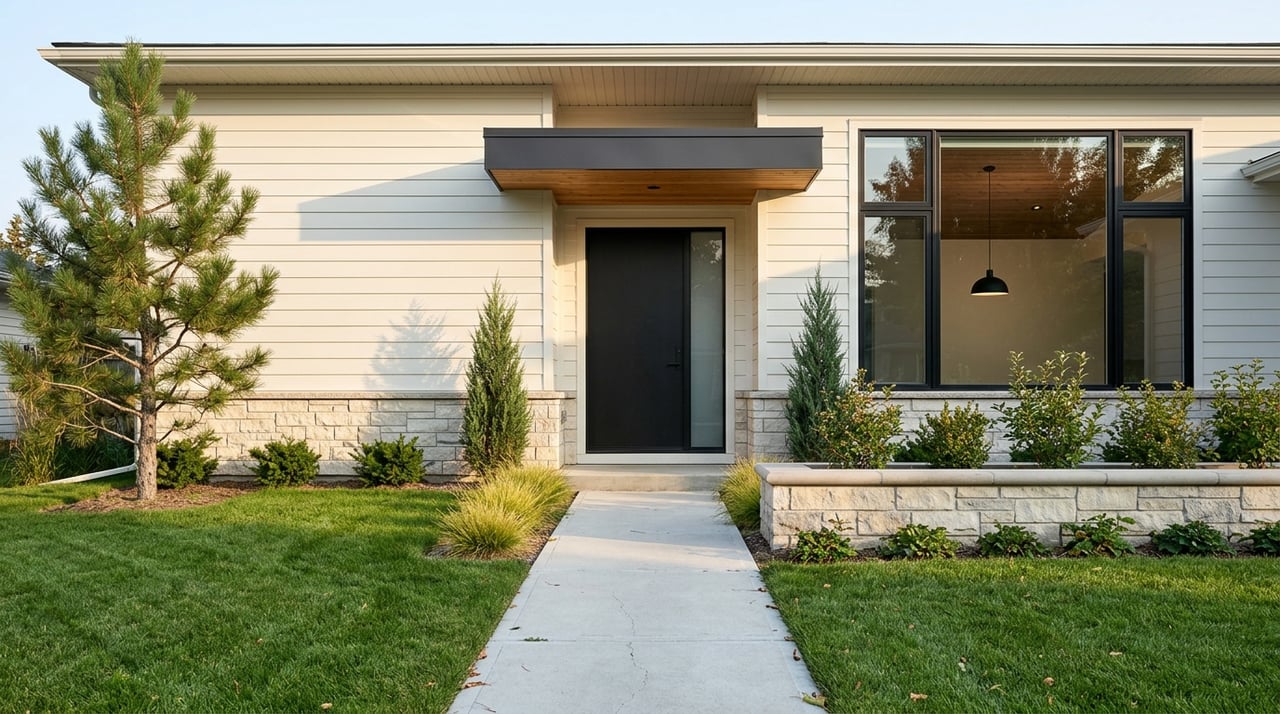
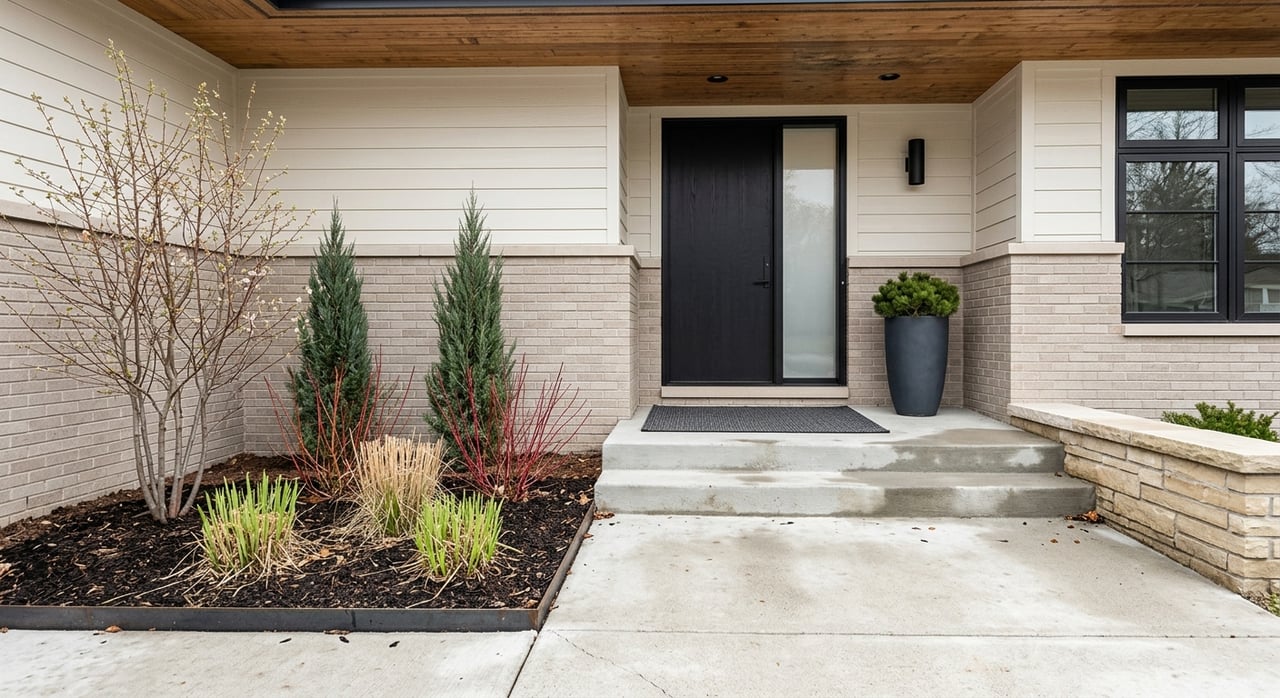
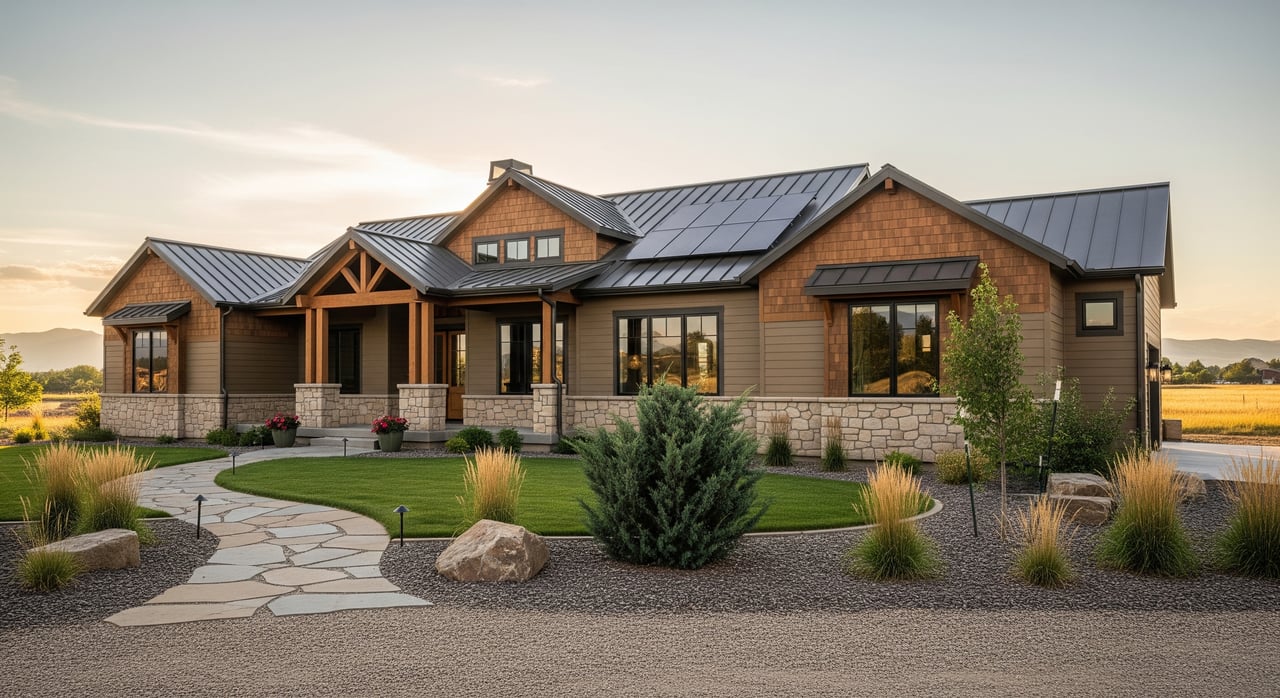
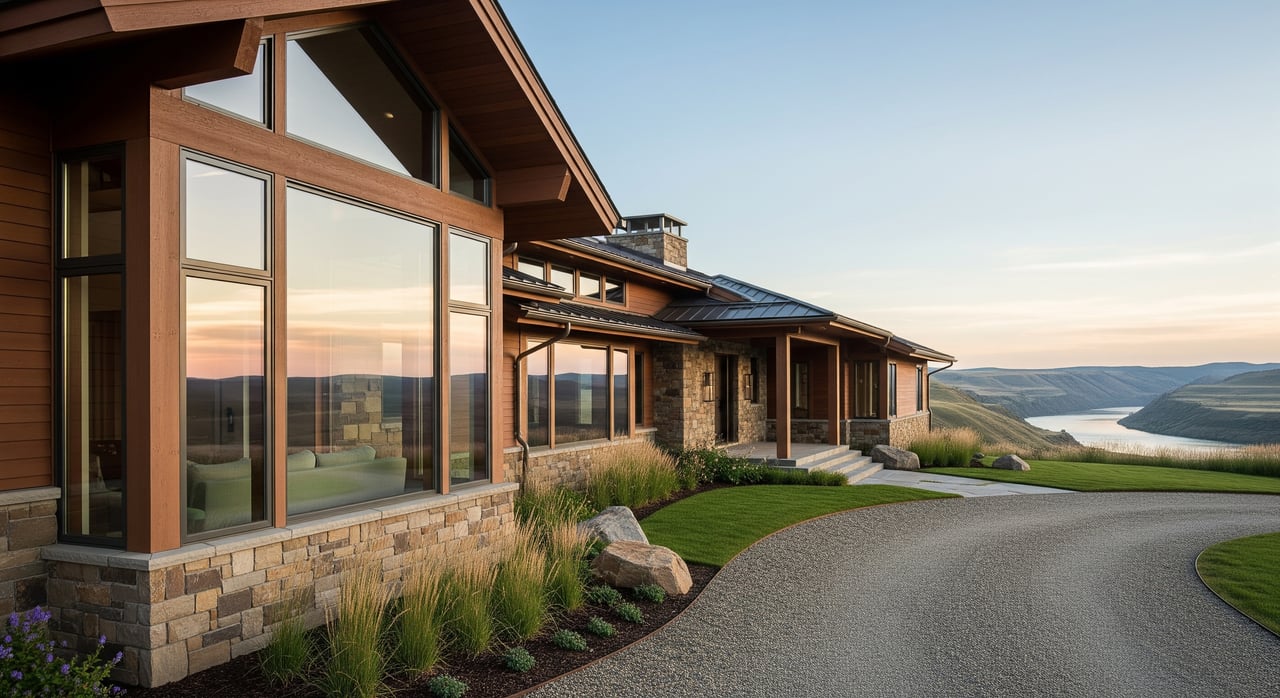
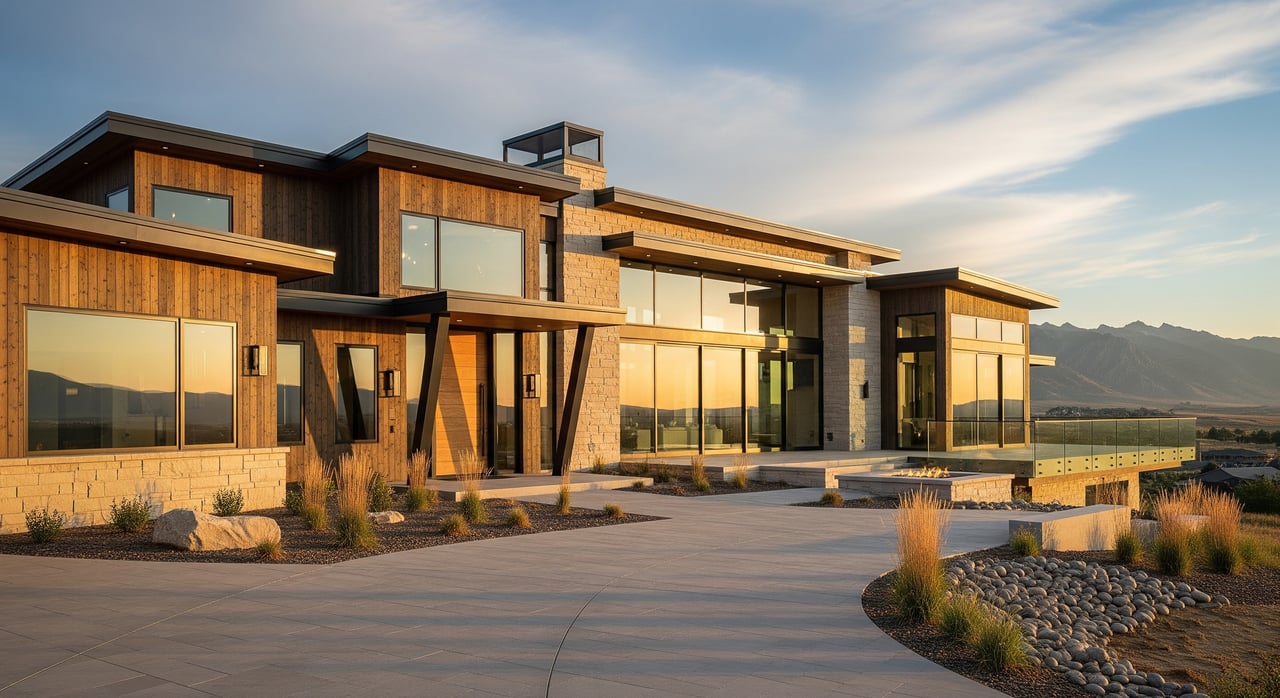
Curb appeal sets the financial tone before a buyer ever opens the door. Frame entryways with natural stone planters that echo the local Rimrock landscape. Keep the lawn deeply green, perfectly edged, and weed-free, and refresh perimeter beds with dark mulch so the landscaping pops against the siding. Power-wash the driveway, walkways, and front porch, repaint or restain the front door, and upgrade dated exterior lighting fixtures. In a neighborhood where lots are large and homes sit back from the street, these details carry disproportionate weight.
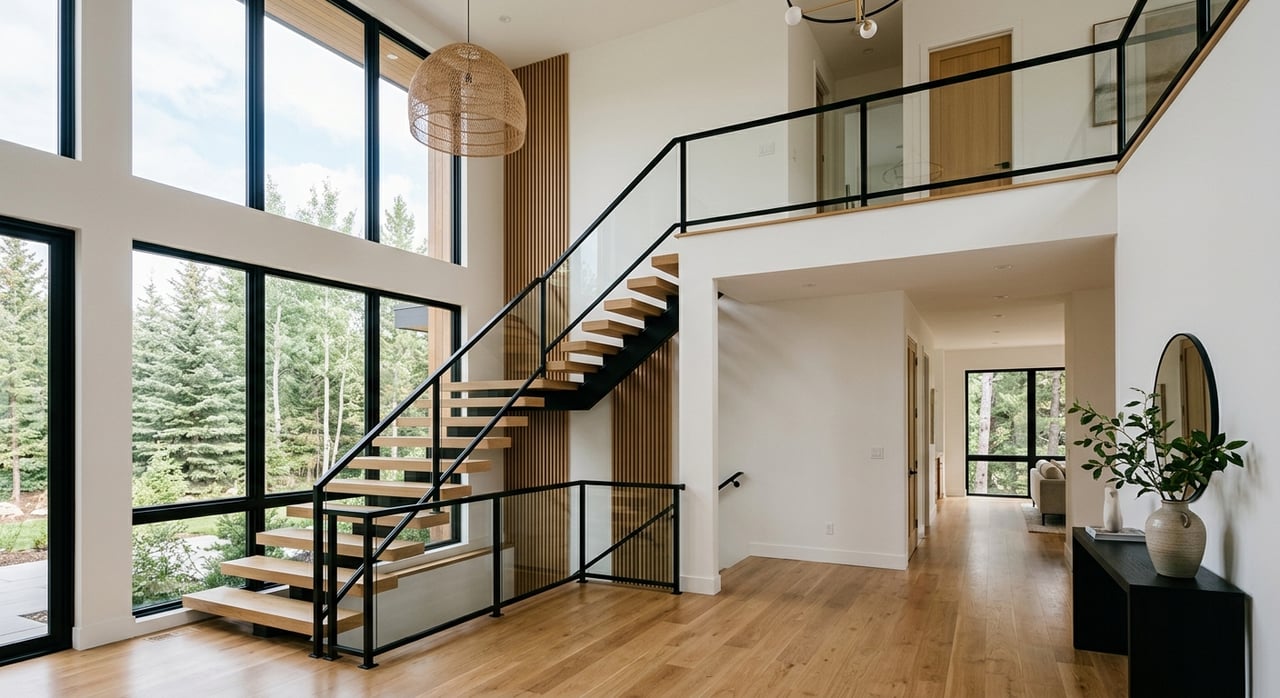
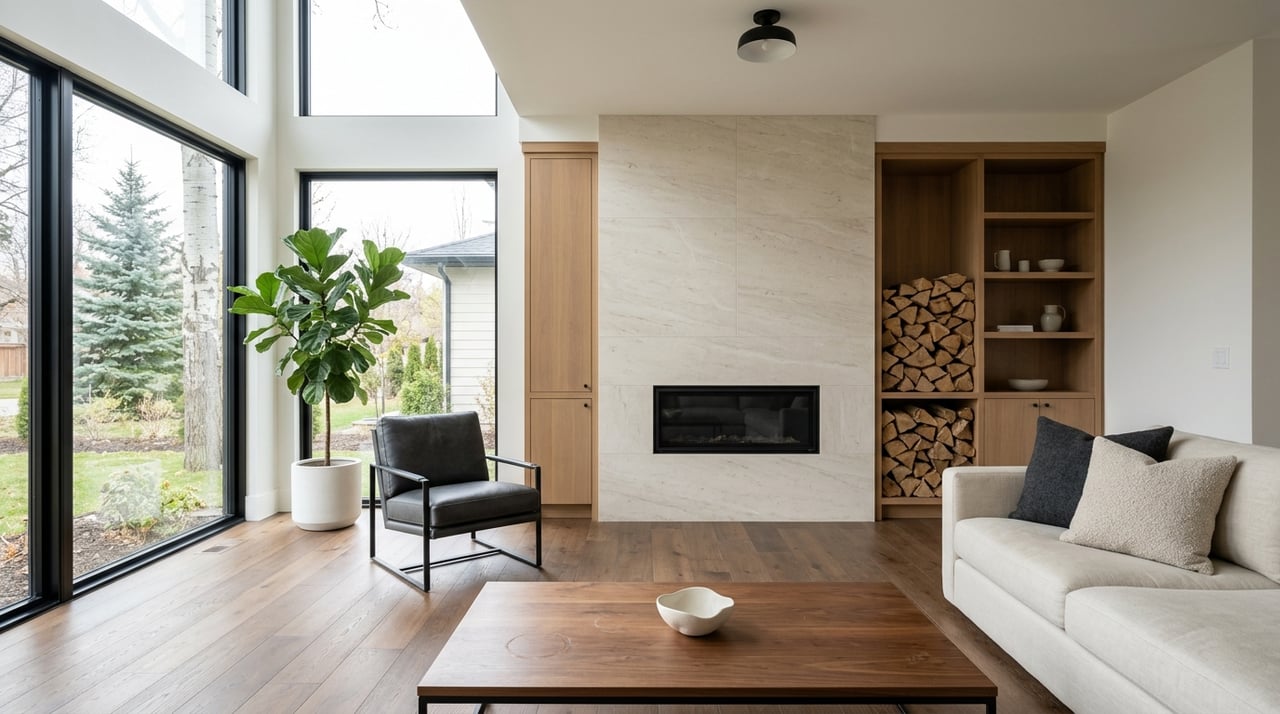
Inside, the priority is light and views. Ironwood architecture favors large windows, and your job is to get out of their way. Wash every pane inside and out, open every blind and curtain for showings, and keep window areas clear of heavy furniture. The buyer's eye should travel directly outward.
Stage the basement as premium living space, not storage. If you have a wet bar, style it with clean glassware, a styled bottle or two, and perhaps an espresso machine. Keep the space bright, comfortable in temperature, and completely odor-neutral — run a dehumidifier if needed.
The kitchen and primary suite are the two rooms that sell luxury homes. Clear 95% of items off your counters, leaving only one or two intentional, high-end pieces, and style the island with something simple like a bowl of green apples or artichokes. In the primary, remove bulky furniture, use crisp white high-thread-count bedding with structured pillows, and treat the ensuite like a five-star spa — plush white towels, all personal toiletries hidden, and one subtle reed diffuser on the vanity.
Standard marketing — a sign in the yard, cell-phone photos, a basic MLS entry — will not perform in this neighborhood. The presentation has to match the caliber of the home.
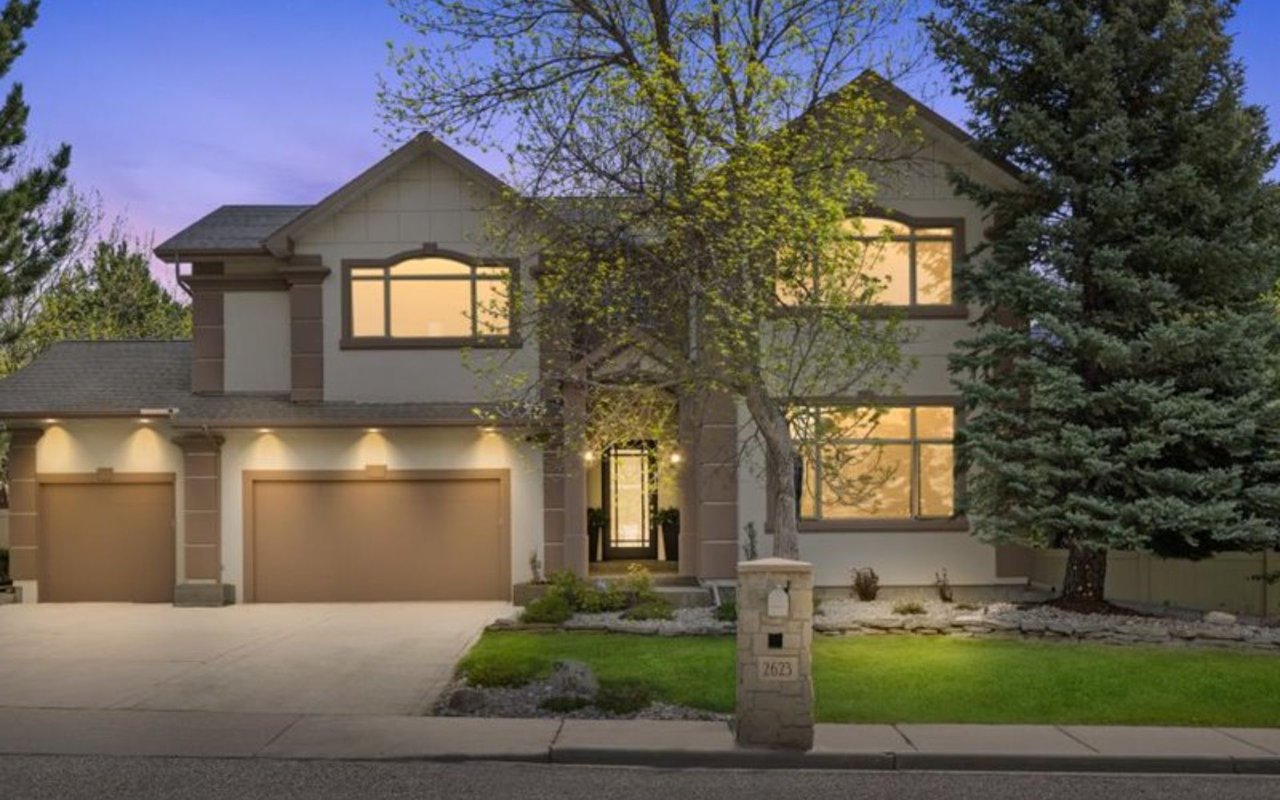
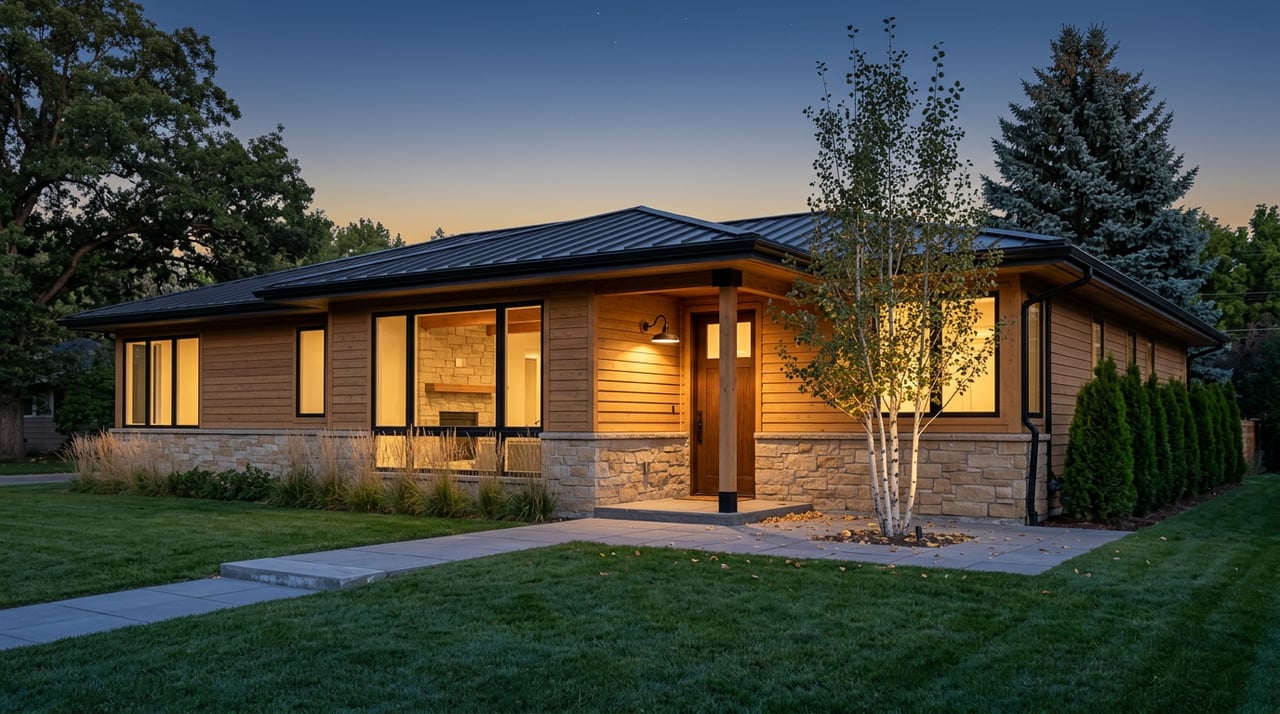
Photography should be multi-tiered. Twilight and golden-hour exterior shots are essential in Ironwood, where architectural accent lighting, large windows, and outdoor fire pits look extraordinary against a Montana evening sky. Aerial drone footage is non-negotiable — buyers here are buying lot size, neighborhood layout, and the proximity of the Rimrocks just as much as the house. And 3D virtual tours (Matterport or equivalent) are how high-net-worth and relocating buyers screen homes before booking flights into Billings.
MLS strategy matters too. Your listing must syndicate through the Big Sky Country MLS to Zillow, Realtor.com, Redfin, and into national luxury networks. Attach a detailed features sheet to the listing — insulation specs, smart-home automation, soundproofing, sourced stone, ages and brands of mechanicals. Ironwood buyers expect to read these specs, and providing them up front filters serious interest from casual browsing.
The most underrated channel in this neighborhood is realtor-to-realtor marketing. A meaningful percentage of high-end Billings sales happen before a listing fully hits the public market. A well-executed Broker's Open House, catered specifically to the top tier of agents who work the Northwest and West End, can generate offers within the first week.
Montana sellers typically pay around 2.24% of the sale price in non-commission closing costs, plus the agreed commission. Here is how it breaks down for an Ironwood seller:
| Expense | Estimated Cost | Who Pays in MT |
|---|---|---|
| Real Estate Commission | ~5% to 6% total | Seller |
| Owner's Title Insurance | ~$500 – $1,200+ (scales with price) | Seller (protects the buyer) |
| Lender's Title Insurance | ~$70 – $150 | Seller (customary in MT) |
| Title Settlement / Closing Fee | ~$400 – $600 | Split 50/50 |
| Prorated Property Taxes | ~0.68% of assessed value, prorated | Seller, for days owned |
| Recording Fees | ~$50 | Seller |
| Real Estate Transfer Tax | $0 | Montana charges none |
A few specifics worth understanding. Commission is your largest single line item — on an $800,000 sale at a 5.5% total commission, that is $44,000. Commissions are fully negotiable post-2024 industry changes, and how you structure buyer-agent compensation is a strategic decision worth a real conversation with your listing agent. Montana is also unusual in that the seller customarily pays for both the Owner's and the Lender's title insurance policies — get a title quote early so the scaled cost on a high-value home does not surprise you. The upside: Montana charges no real estate transfer tax, which on a luxury sale represents real savings compared to states that do.
As a rough working number, on a well-marketed $850,000 Ironwood sale, budget about $19,000 in closing fees, title insurance, and tax prorations on top of your commission.
The negotiation phase is where Ironwood transactions are won or lost. Buyers in this bracket are sophisticated, well-represented, and risk-averse — and in a more balanced market, they will use their leverage. Three battlegrounds come up consistently.
Inspection contingencies generate the longest punch lists. Buyers expect everything in a luxury home to function flawlessly and will negotiate hard on items that buyers at lower price points often ignore — malfunctioning smart-home modules, minor cracks in stamped concrete, HVAC components nearing the end of useful life. Hail damage and radon are automatic triggers if you have not addressed them pre-listing. My standard recommendation is to offer a capped repair credit at closing rather than performing the repairs yourself. It keeps you in control of the timeline, eliminates post-closing complaints about workmanship, and is generally cleaner all around.
Financing and appraisal gaps are the second pressure point. Many Ironwood buyers use jumbo or high-balance conventional loans, and because the homes are so customized, appraisers sometimes struggle to find clean comparables. A $40,000 appraisal gap on a $950,000 contract is not uncommon. The protective move is to negotiate an Appraisal Gap Guarantee into the contract from the outset — language that requires the buyer to bring a specified amount of additional cash if the appraisal comes in low. This protects your price and weeds out buyers who are stretching beyond their means.
Earnest money is the third. In standard Billings transactions, a $1,000 to $5,000 deposit is common. In Ironwood, that is not enough. I recommend insisting on 1% to 3% of the purchase price as earnest money — meaning $8,000 to $24,000 on an $800,000 home. A substantive deposit signals commitment and protects you against buyers who might otherwise walk away over minor inspection findings.
It is tempting to hire a friend in the business or use a discount brokerage, but premium sub-markets reward specialization. Here is what local Ironwood expertise actually delivers.
Accurate valuation comes first. Automated tools like Zestimates are notoriously off in this neighborhood because they cannot value custom interior finishes, architectural character, or the premium that specific Rimrock-view lots command. A local specialist knows precisely what a heated four-car shop adds versus a standard attached garage — the difference can be $30,000 to $60,000 in real money.
Access to the off-market network is the second advantage. A meaningful share of Ironwood sales move quietly through agent-to-agent relationships before the property ever hits the MLS. Working with someone embedded in that network puts your home in front of relocating physicians, executives, and trade-up West End families who are actively searching but invisible to the public listing sites.
Nuanced marketing follows naturally. The agents who work this neighborhood week in and week out know how to position the Ironwood lifestyle — the specific school bus routes, the walking-trail access, the proximity to Zimmerman Park — not just the bedroom count.
And finally, buyer vetting. Nothing wastes a luxury seller's time more than open-house traffic from buyers who cannot actually transact. A seasoned listing agent in this market requires strict pre-approval letters from recognized jumbo-loan lenders or verifiable proof of funds before accepting an offer or taking your home off the market.
The Brosovich Real Estate Team is led by Heidi Brosovich, a Montana native and one of Billings' top 1% agents, with over $20 million in annual sales in both 2021 and 2022. Our team specializes in the Far Northwest market — including Ironwood Estates — and brings the strategic pricing, luxury-grade marketing, and honest, relationship-driven guidance this neighborhood demands. Whether you are preparing to list in the spring window, weighing a late-fall move, or simply want a realistic conversation about what your Ironwood home would bring in today's market, we are here to help.
Call Heidi directly at (406) 671-0122 or email [email protected]. You can also reach Jake Brosovich at (406) 671-2287. Our office is at 2050 Broadwater Ave Ste B, Billings, MT 59102. We would be honored to be part of your next move.
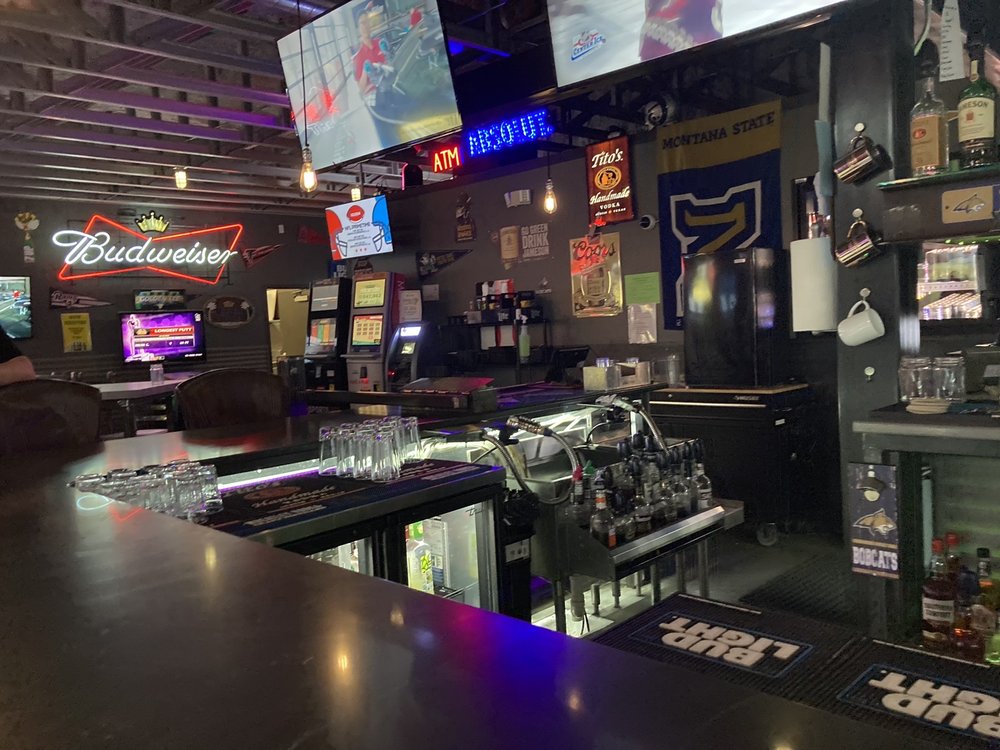
There's plenty to do around Ironwood, including shopping, dining, nightlife, parks, and more. Data provided by Walk Score and Yelp.
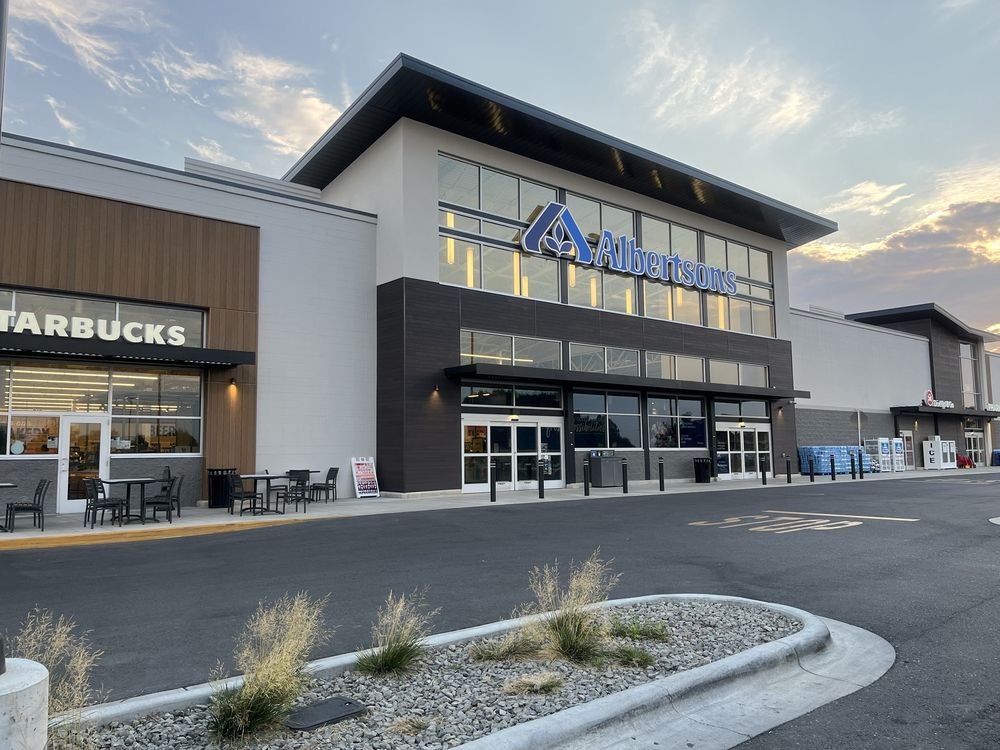
Explore popular things to do in the area, including Spudnicks, Grind House Coffee Shop, and Albertsons.
| Name | Category | Distance | Reviews |
Ratings by
Yelp
|
|---|---|---|---|---|
| Dining | 0.84 miles | 1 review | 3/5 stars | |
| Dining | 2.42 miles | 0 reviews | 0/5 stars | |
| Dining | 2.42 miles | 3 reviews | 3.3/5 stars | |
| Dining · $ | 3.33 miles | 0 reviews | 0/5 stars | |
| Dining | 3.35 miles | 2 reviews | 3/5 stars | |
| Shopping | 3.36 miles | 0 reviews | 0/5 stars | |
| Active | 1.32 miles | 0 reviews | 0/5 stars | |
| Active | 1.49 miles | 0 reviews | 0/5 stars | |
| Active | 2.41 miles | 4 reviews | 2/5 stars | |
| Active | 2.69 miles | 0 reviews | 0/5 stars | |
| Active | 3.06 miles | 0 reviews | 0/5 stars | |
| Active | 3.29 miles | 0 reviews | 0/5 stars | |
| Active | 3.29 miles | 1 review | 5/5 stars | |
| Active | 3.31 miles | 1 review | 4/5 stars | |
| Active | 3.32 miles | 4 reviews | 5/5 stars | |
| Nightlife | 2.41 miles | 15 reviews | 3.5/5 stars | |
| Nightlife | 2.91 miles | 0 reviews | 0/5 stars | |
| Beauty | 0.83 miles | 0 reviews | 0/5 stars | |
| Beauty | 1.14 miles | 2 reviews | 5/5 stars | |
| Beauty | 3.27 miles | 0 reviews | 0/5 stars | |
| Beauty | 3.29 miles | 10 reviews | 5/5 stars | |
| Beauty | 3.29 miles | 2 reviews | 5/5 stars | |
| Beauty | 3.29 miles | 0 reviews | 0/5 stars | |
| Beauty | 3.3 miles | 0 reviews | 0/5 stars | |
|
|
||||
|
|
||||
|
|
||||
|
|
||||
|
|
||||
|
|
Ironwood has 242 households, with an average household size of 3. Data provided by the U.S. Census Bureau. Here’s what the people living in Ironwood do for work — and how long it takes them to get there. Data provided by the U.S. Census Bureau. 822 people call Ironwood home. The population density is 7,159 and the largest age group is Data provided by the U.S. Census Bureau.
Total Population
Population Density Population Density This is the number of people per square mile in a neighborhood.
Median Age
Men vs Women
Population by Age Group
0-9 Years
10-17 Years
18-24 Years
25-64 Years
65-74 Years
75+ Years
Education Level
Total Households
Average Household Size
Average individual Income
Households with Children
With Children:
Without Children:
Blue vs White Collar Workers
Blue Collar:
White Collar: