ADDRESS
2050 BROADWATER AVE STE B
BILLINGS MT 59102
2050 BROADWATER AVE STE B
BILLINGS MT 59102
30,470 people live in Billings Heights, where the median age is 37 and the average individual income is $35,157. Data provided by the U.S. Census Bureau.
Total Population
Median Age
Population Density
Average individual Income
Billings Heights — known to nearly every local simply as "The Heights" — is not just a neighborhood. It is the largest residential district in Billings, Montana, and it carries itself with the quiet confidence of a place that has never needed much validation from the rest of the city. Sitting atop a dramatic sandstone plateau defined by the iconic Rimrocks, the Heights offers something increasingly rare in American suburban geography: a genuine sense of place. Residents here are not merely people who happen to live in proximity to one another. They are "Heights people," and that distinction carries real social weight.
The neighborhood functions, in nearly every practical sense, as a self-contained city. It has its own commercial corridors, its own high school, its own parks, and its own identity. When you drive up Main Street and clear the Rims, you feel the shift. The views open up. The pace slows. The architecture changes. Whether you are exploring homes for sale in Billings Heights, considering a relocation, or simply trying to understand what makes this part of Montana tick, the answer starts with that elevation — physical and cultural.
For a neighborhood of its size, the Heights manages to preserve a small-town texture. You will run into familiar faces at the Walmart on the Heights, grab coffee from a drive-through kiosk on Main Street, and watch your neighbor snowblow your driveway without being asked. The lifestyle here rewards those who value space, practicality, and outdoor access over urban density.
The story of Billings Heights is fundamentally a post-war American story, shaped by affordability, ambition, and the particular topography of the Yellowstone Valley. For the first half of the twentieth century, the plateau above the Rimrocks was largely agricultural and ranch land. The dramatic sandstone cliffs that define the southern edge of the Heights served more as a geographic boundary than a gateway. Downtown Billings, nestled in the valley below, was the city's center of gravity.
That changed decisively in the 1950s. As returning veterans and young families sought affordable land to build new lives, the Heights — sitting on open, flat-to-rolling terrain with relatively low land costs — became an obvious destination. The post-war housing boom that reshaped suburban America found an enthusiastic expression here. Ranch-style homes and modest bungalows began appearing across the southern end of the plateau in what residents now call the "Lower Heights," and subdivision after subdivision followed northward and eastward through the 1960s, 70s, and 80s.
By the time the 1990s and 2000s arrived, the Heights had long since outgrown its satellite status. Modern split-levels, tri-level homes, and contemporary suburban builds began appearing on the northern and eastern fringes, reflecting both population growth and rising household incomes. The neighborhood eventually developed its own business district along Main Street, its own high school in Skyview, and its own commercial infrastructure comprehensive enough that many residents could go weeks without crossing back over the Rims into the valley below.
The identity that formed during this expansion — grounded, practical, fiercely neighborhood-loyal — remains intact today, even as new construction continues to push the Heights' boundaries outward.
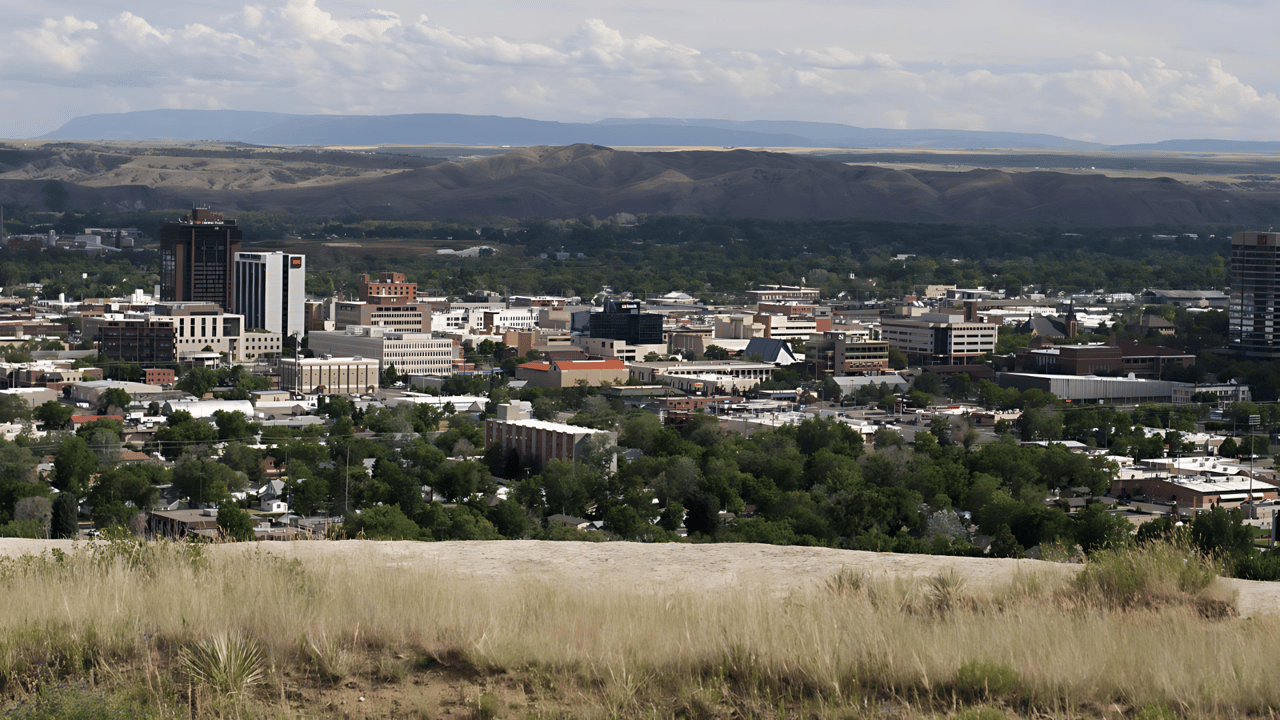
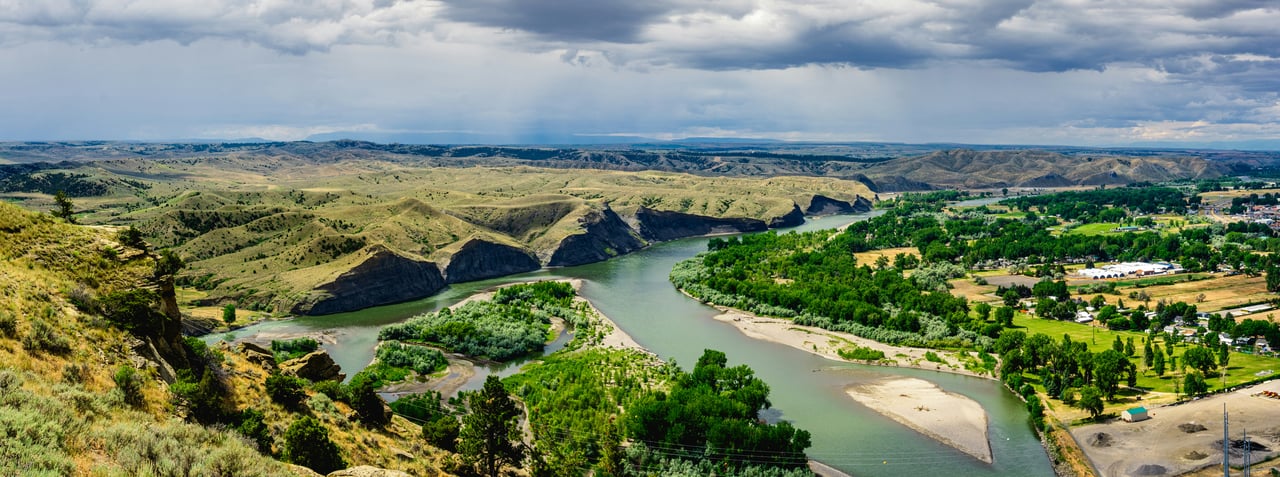
Billings Heights sits northeast of downtown Billings, positioned on an elevated plateau that rises above the Yellowstone Valley along the iconic Rimrock formations. For anyone consulting a Billings Heights map or looking at a map of Billings Heights for the first time, the geography is immediately legible: the neighborhood is bounded to the south and west by the Rimrocks — massive sandstone cliffs that define the visual edge of the plateau — to the southeast by the Yellowstone River, and to the north by open rolling plains that gradually give way to agricultural land.
The Billings Heights zip code is 59105, covering the majority of the Heights' residential and commercial area, though some of the northeastern fringe developments may fall into adjacent zip code boundaries.
Main Street, which runs as Highway 87/312, serves as the neighborhood's central spine. It connects the Heights directly to downtown Billings to the southwest and extends outward to the northeast toward rural communities like Shepherd and Huntley. This corridor is where most of the neighborhood's commercial activity is concentrated, and it serves as the primary reference point for orientation within the neighborhood.
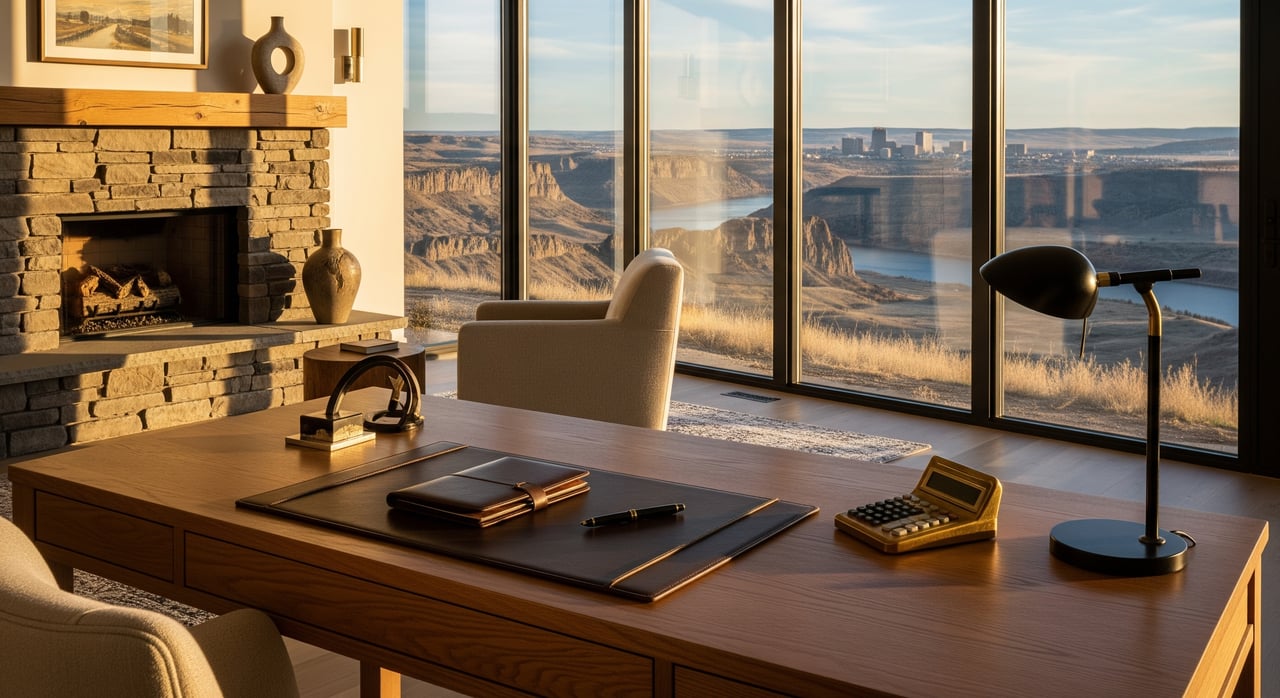
The Rimrocks themselves are the Heights' most dramatic geographic feature. From various vantage points along the plateau's edge — particularly at Zimmerman Park — residents enjoy panoramic views of the Yellowstone Valley, the Beartooth Mountains on the distant horizon, and the downtown Billings skyline below. Because the Heights sits higher than the valley floor, wind speeds are generally elevated, and residents experience snow drifts and weather exposure more intensely than those living downtown. This is also the terrain that makes Chinook winds — warm, rapid-onset winter winds capable of raising temperatures by 20 to 40 degrees Fahrenheit in a single day — such a defining and beloved feature of Heights winters.
Lake Elmo State Park anchors the neighborhood's eastern recreational geography, while Zimmerman Park defines the rugged Rimrock edge to the west.
The Billings Heights real estate market in early 2026 is best characterized as measured, balanced, and buyer-attentive — a meaningful shift from the frenetic seller's market conditions that dominated the early 2020s. For anyone actively researching Billings Heights homes for sale or tracking market conditions before making a move, the current environment rewards patience and preparation in equal measure.
The median home value in the Heights sits at approximately $397,000 as of early 2026. Annual appreciation has moderated to a range of roughly 2.4% to 2.9%, a significant deceleration from the double-digit spikes that characterized pandemic-era demand. This cooling does not reflect weakness in the local economy — Billings maintains a low unemployment rate of around 3.0% — but rather a natural recalibration after years of compressed inventory and bidding wars.
Active listings in the neighborhood currently number approximately 175 to 180, and homes are spending an average of 60 to 75 days on the market before going under contract. That extended timeline is meaningful. It gives buyers the opportunity to be selective, conduct thorough due diligence, and negotiate from a position of relative strength. Approximately 53% of homes in the Heights are currently selling below list price, and sellers have increasingly become willing to offer concessions — closing cost credits, rate buy-downs, and repair allowances — to close deals efficiently.
For anyone monitoring houses for sale in Billings Heights, the "sweet spot" price range for fastest movement is currently $370,000 to $395,000. Properties priced above that band, even by modest margins, tend to sit significantly longer and attract escalating buyer skepticism. The era of aspirational pricing has passed, at least for the foreseeable future.
One of the defining strengths of Billings Heights as a real estate market is the sheer breadth of its housing inventory. Few neighborhoods in Montana offer as wide a range of price points and architectural styles under a single geographic umbrella, which is part of why homes for sale in Billings Heights consistently attract buyers from across the income spectrum.
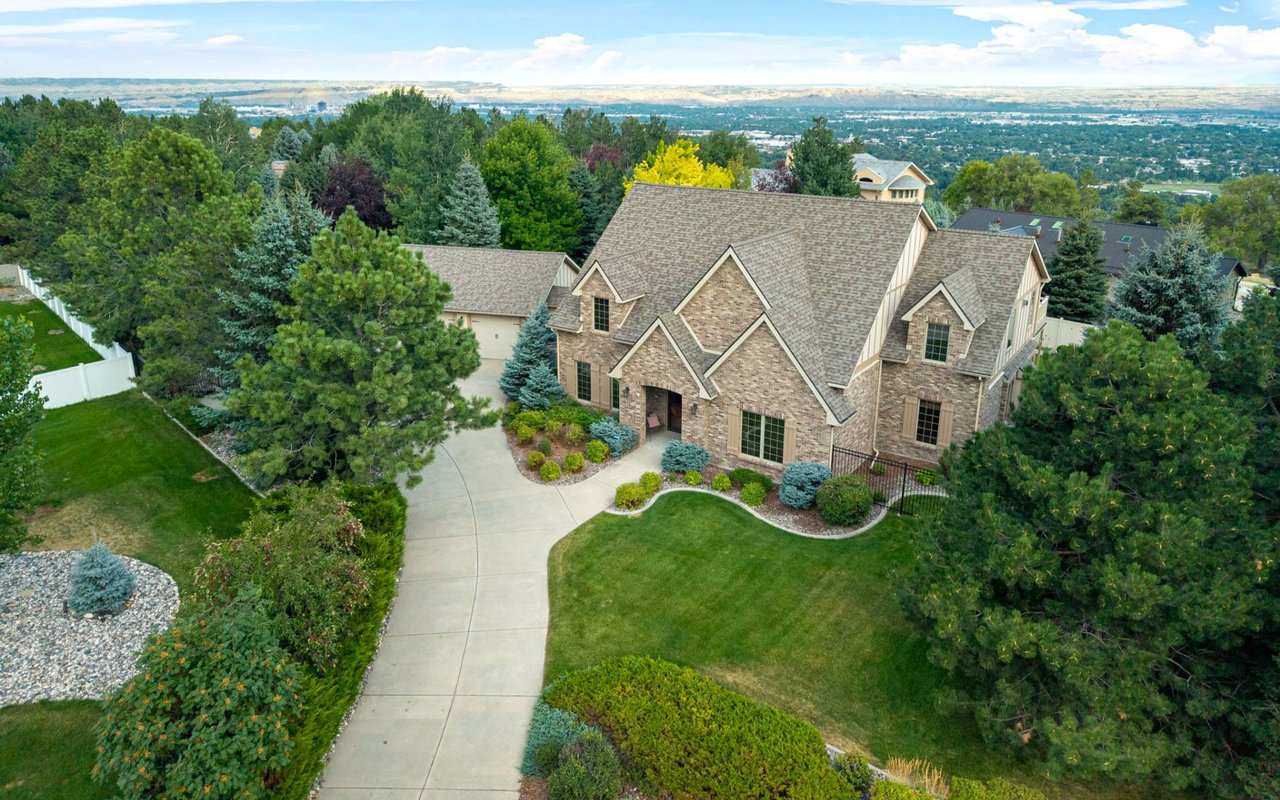
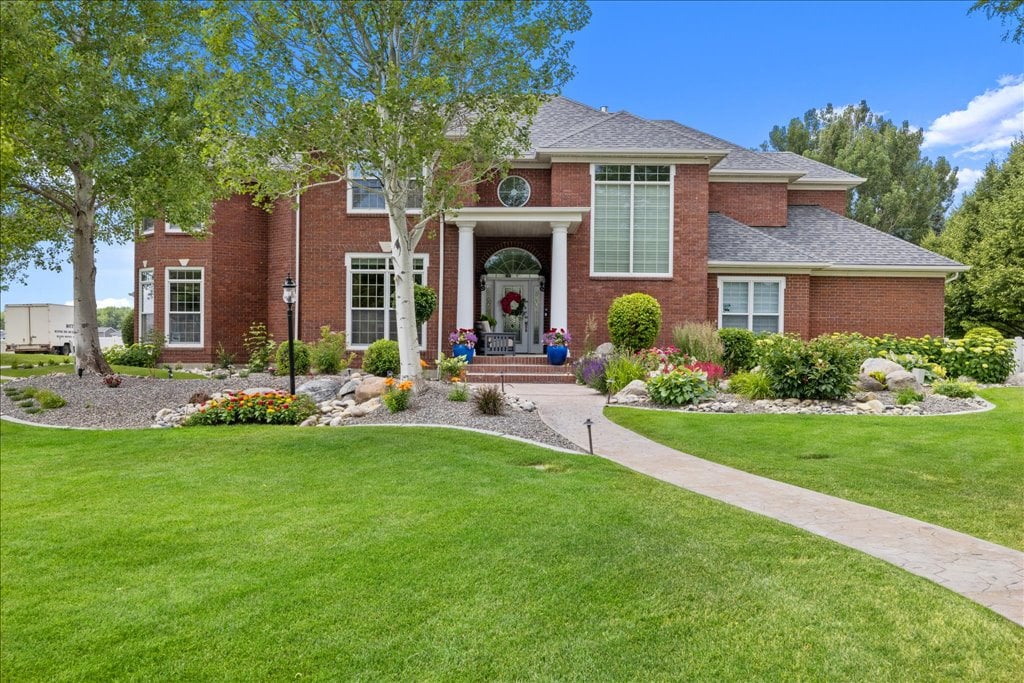
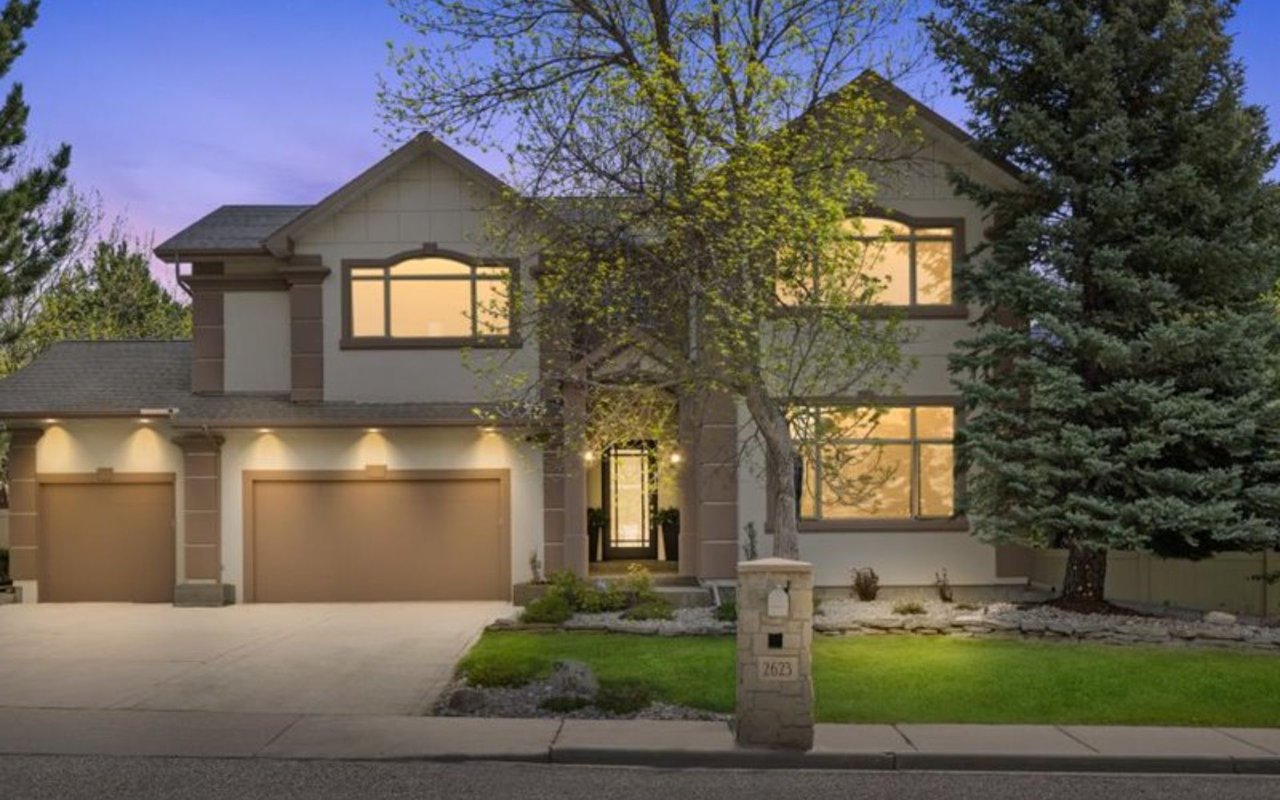
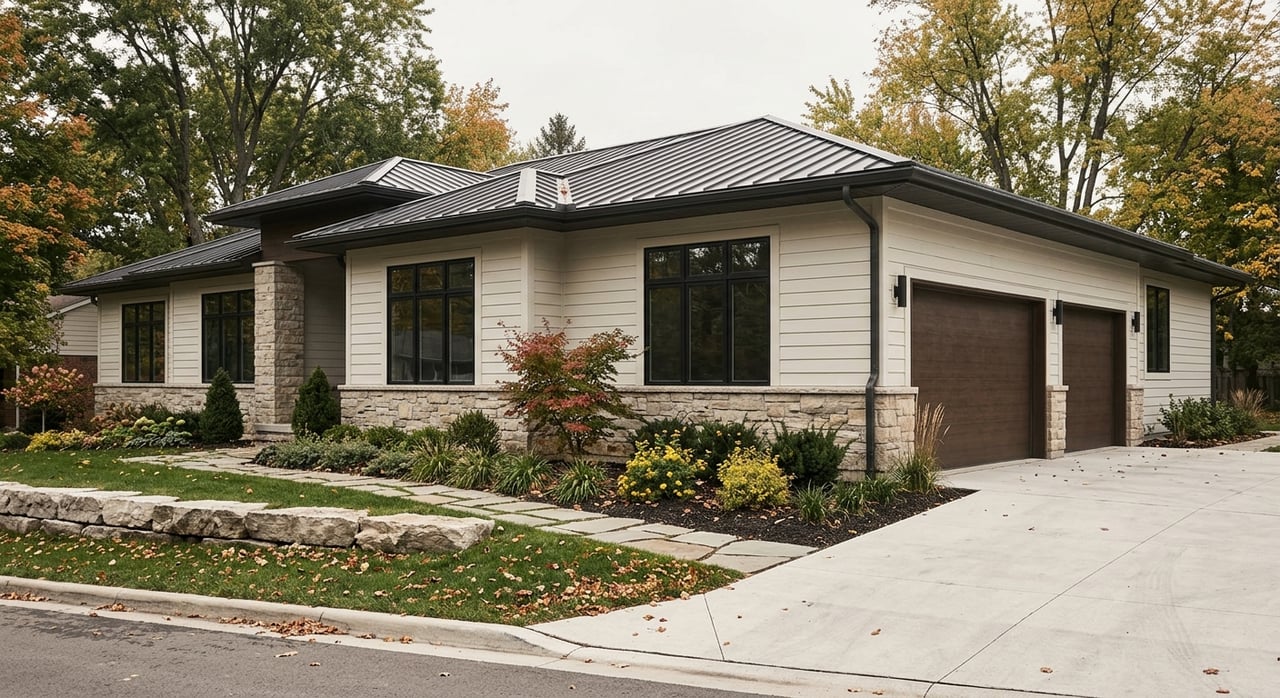
The dominant housing type remains the single-family detached home. In the Lower Heights — the sections closer to the Rimrocks and the downtown transition — mid-century ranch homes and bungalows from the 1950s through 1970s sit on generously sized lots with mature trees. These homes are popular with buyers willing to renovate, offering solid bones and character at prices that often undercut newer construction. Moving north and east into the central Heights, modern split-levels and tri-level homes from the 1980s and 1990s dominate, typically featuring attached two-car garages and layouts designed to maximize interior square footage.
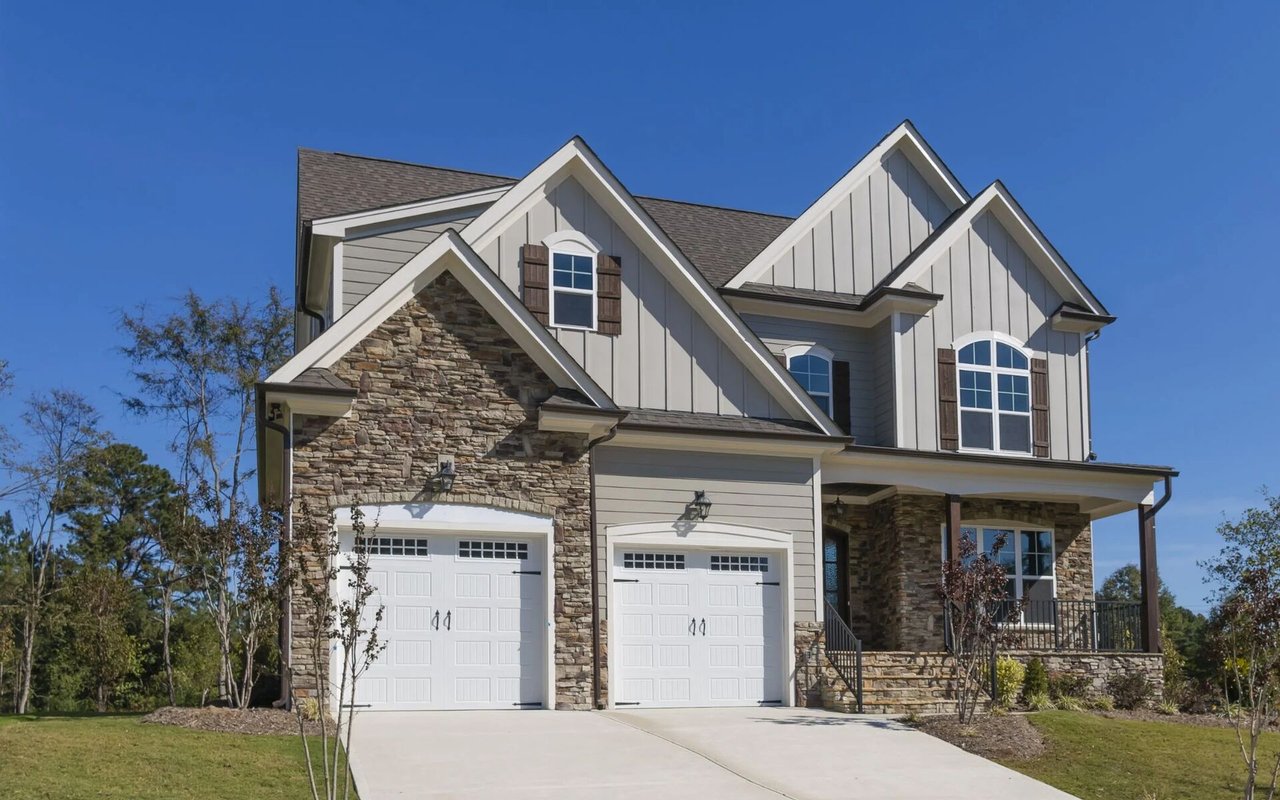
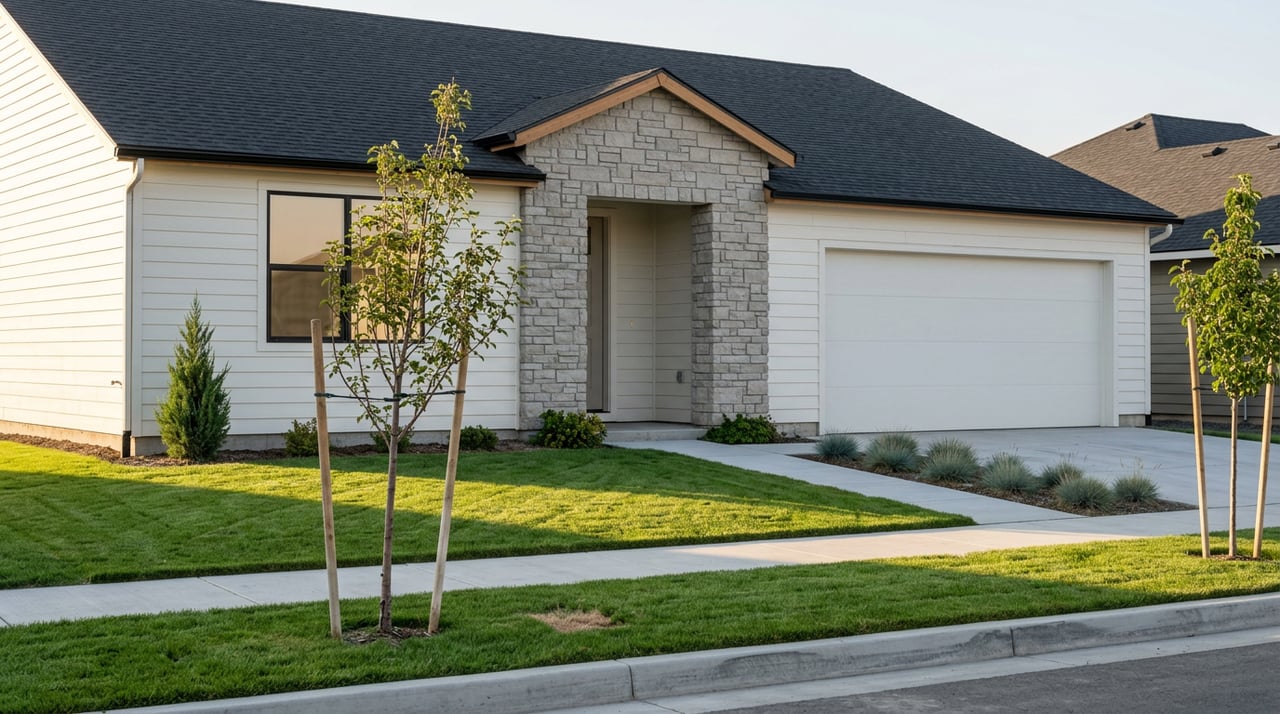
On the northern and eastern fringes — particularly in newer subdivisions near the expanded Skyview High School area — contemporary builds with open floor plans, energy-efficient mechanical systems, and premium finishes are selling in the $450,000 to $650,000 range. These developments represent the current growth edge of the neighborhood and continue to attract families drawn by school boundaries and new construction warranties.
For buyers seeking lower-maintenance lifestyles, a growing inventory of townhomes along the Main Street corridor typically prices between $250,000 and $350,000. Condominiums are less prevalent but available, often entering the market in the $190,000 to $240,000 range. Several established mobile home communities and manufactured home-permitted areas represent the most accessible entry point into Heights ownership, with some units priced below $130,000.
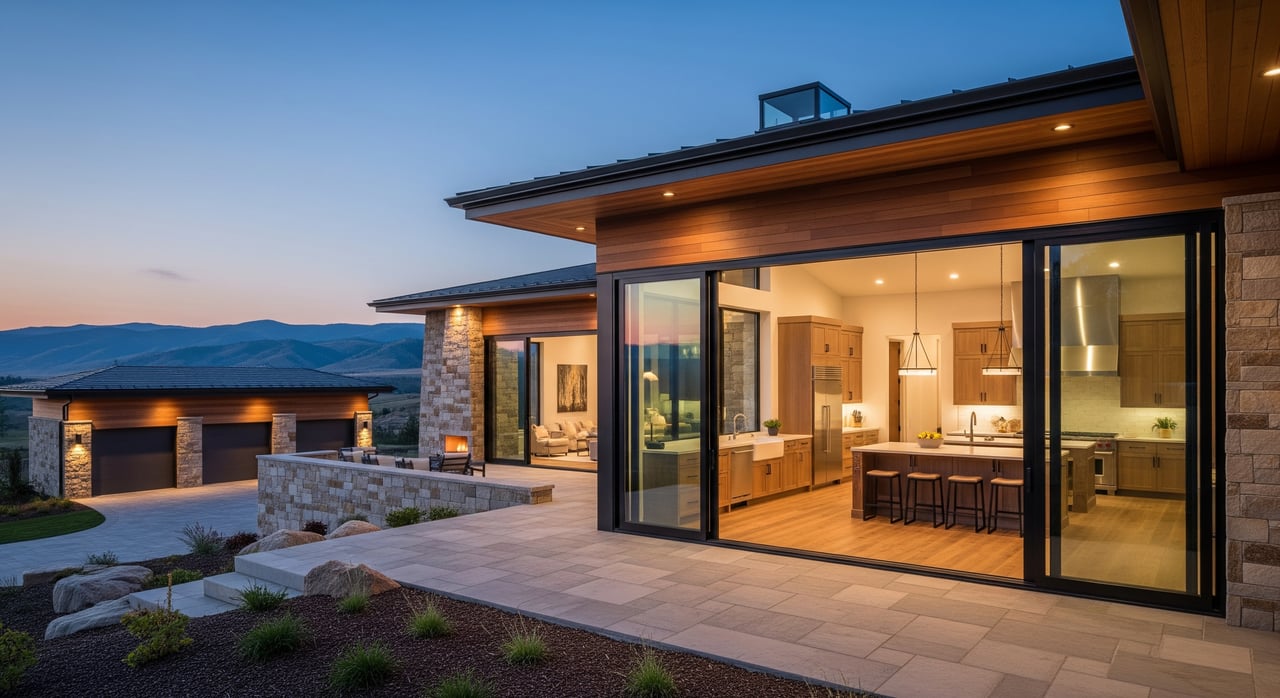
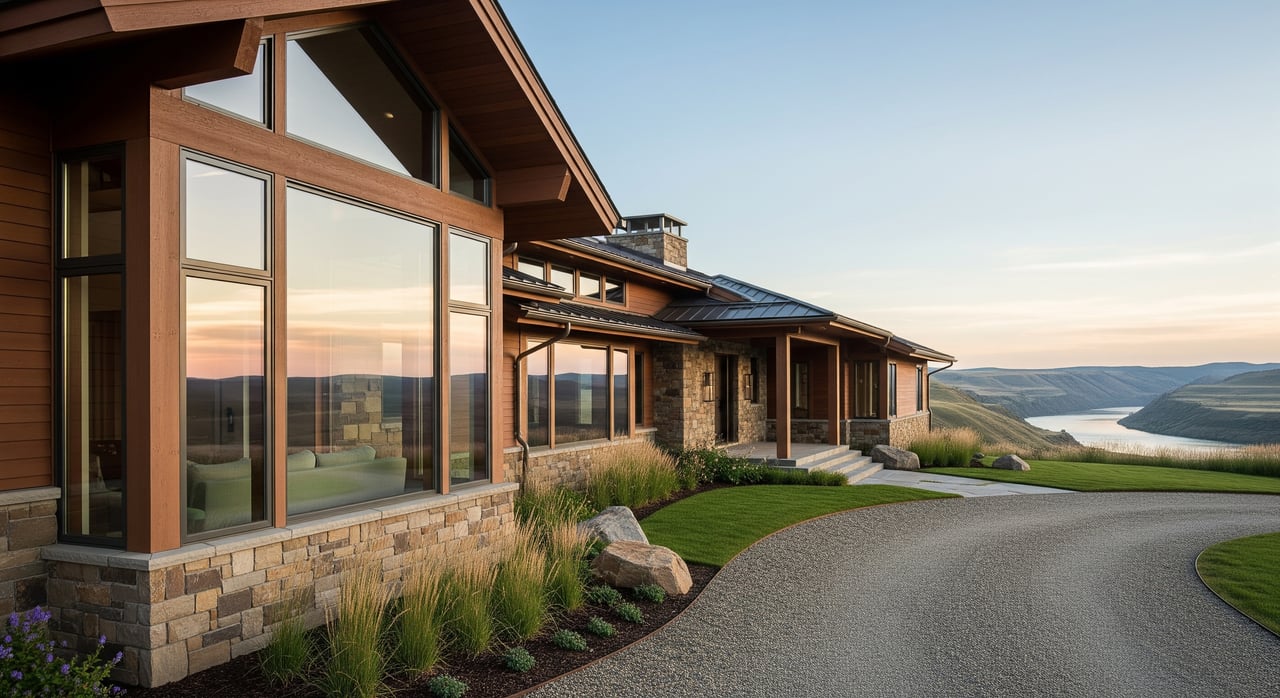
At the other end of the spectrum, custom-built luxury estates along the Rimrock edge command significant premiums for unobstructed views of the city and the Beartooth Mountains. These rim-side properties occasionally exceed $1 million in value and represent some of the most coveted residential real estate in all of Billings.
Relocating to the Heights involves a short but meaningful learning curve. Those who arrive prepared tend to settle in quickly; those who underestimate the neighborhood's particular rhythms and logistical realities often spend their first winter wishing they had asked more questions.
The most important thing to internalize immediately is that Main Street is the Heights' lifeline — and during peak commute hours (7:30 to 8:30 AM and 4:30 to 5:30 PM), it behaves accordingly. New residents should invest time early in learning secondary routes like Bench Boulevard and Aronson Avenue, both of which can dramatically reduce frustration during heavy-traffic periods. The newly completed segments of the Billings Bypass have also opened additional routing options that many longtime residents are only beginning to incorporate into their daily habits.
Winter preparation is non-negotiable. The Heights' plateau position amplifies both wind speeds and snow accumulation compared to the valley below. A high-quality snowblower is not a luxury here; it is a standard household tool. Winter tires are similarly essential. The upside is the Chinook wind phenomenon: warm fronts that can melt substantial snowfall in hours, transforming the landscape with a speed that never entirely loses its novelty even for long-term residents.
Locals use Bench Boulevard as a primary east-west orientation axis. "West of Bench" generally refers to the older, more established sections of the Heights, closer to the Rims, the parks, and the original residential core. "East of Bench" covers the newer suburban expansion and the areas most proximate to Lake Elmo. Understanding this distinction helps considerably when navigating conversations with neighbors, agents, and contractors.
For daily banking needs, Wells Fargo Billings MT Heights has a branch presence along the Main Street corridor, as do most major financial institutions serving the Billings metro. Grocery needs are handled primarily by Albertsons on the south end of Main and the Walmart Heights Billings location to the north, with the Shamrock Foodservice Warehouse offering a unique bulk-buying option open to the public without a membership requirement.
The Heights is currently experiencing one of the most consequential infrastructure and commercial buildout periods in its history, with multiple projects either recently completed or moving through final construction phases as of early 2026.
The Billings Bypass is the crown jewel. This long-anticipated multi-phase project creates a new route from Johnson Lane in Lockwood across the Yellowstone River directly into the Heights. As of early 2026, the Yellowstone River Bridge and the Railroad Overpass segments are fully operational, and final connections to Highway 87/Main Street are approaching completion. For residents who work in the industrial zones or Lockwood area, this has already shaved 10 to 15 minutes from daily commutes and significantly reduced pressure on the Main Street/Interstate intersection. The psychological impact — dissolving the long-standing perception that the Heights has "only one way in and out" — is equally significant.
The Inner Belt Loop and its adjacent Skyline Trail represent another completed but still-reverberating transformation. This route connects the Heights to the West End of Billings via the top of the Rimrocks, converting what was once a 20-minute surface-street grind through downtown into a scenic 5-to-10-minute drive. The Skyline Trail expansion alongside it is further integrating the Heights into Billings' 26-mile Marathon Loop trail system, a connection that the outdoor-recreation community has been anticipating for years.
On the retail side, a second Ross Dress for Less is slated to open near the Heights Target in summer 2026, part of a broader pattern of national retailers filling commercial gaps between Lake Elmo Drive and Wicks Lane. This trend is gradually reducing the historical need for Heights residents to drive to the West End for clothing or specialty goods.
Longer-range, the city is finalizing the Heights Neighborhood Plan under the Billings 2045 vision framework. This initiative targets walkability improvements, dedicated bike infrastructure, and revitalization of older commercial strip zones along Main Street — a shift from purely transit-oriented design toward genuinely community-oriented urban form.
Purchasing property in the Heights demands a more granular due diligence process than many buyers initially anticipate, largely because the neighborhood's geographic diversity — from Rimrock-adjacent ranchlands to new suburban subdivisions — means that risk profiles, tax structures, and neighborhood dynamics vary significantly from street to street.
Environmental risk is the first and most serious consideration. Approximately 78% of properties in the broader Billings area carry some level of wildfire risk, and this figure is most acute for homes near the Rimrocks or the northern sagebrush-covered plateau boundaries. Buyers targeting these areas should evaluate defensible space carefully, confirm the presence of fire-resistant roofing materials, and review any available fire mitigation assessments. Properties near the Yellowstone River or Lake Elmo may also fall within moderate flood risk zones — roughly 15 to 18% of Billings buildings face meaningful surface or riverine flood exposure — making flood zone verification through FEMA maps a standard step rather than an optional one.
Wind and hail exposure are persistent concerns throughout the Heights. The plateau position accelerates wind speeds year-round, and severe hailstorms cause documented damage to roofing and siding on a regular basis. Any pre-purchase home inspection in the Heights should treat roof condition, shingle integrity, and siding material as high-priority line items.
From a financial structure standpoint, buyers in newer developments should ask specifically about HOA fees and Special Improvement Districts. Neighborhoods like Annafeld and Copper Ridge carry HOA obligations ranging from $30 to $100+ per month. SIDs — special assessments added to property taxes to fund local infrastructure improvements — can add hundreds of dollars annually to carrying costs in recently developed subdivisions and are not always prominently disclosed during the listing process.
School boundary verification is essential for families. While Skyview High School serves the Heights as a whole, elementary and middle school attendance zones shift with the neighborhood's ongoing growth and periodic redistricting by Billings Public Schools. Confirming specific boundary assignments before finalizing a purchase is strongly advised.
Selling in the Heights in 2026 requires a more strategic and data-informed approach than was necessary during the supply-constrained years of 2021 and 2022. The market is no longer forgiving of pricing errors, and buyers — now accustomed to having inventory and time on their side — are quick to discount properties that sit without movement.
Seasonality matters more in Montana than in many other markets. The Heights' real estate activity peaks sharply in spring, with serious family buyers entering the market in late March and aiming to close before the August school start. Listing in late April or May captures maximum qualified buyer traffic. Off-season listings are viable but typically require more aggressive pricing to compensate for reduced demand.
On pricing strategy, the window of $370,000 to $395,000 currently represents the fastest-moving segment of the Heights market. Properties priced even 5% above this band tend to sit for 90 or more days, at which point the psychological impact of extended market time compounds, and buyers begin expecting steep discounts as compensation for perceived stigma.
For pre-listing improvements, a few high-ROI upgrades stand out in this market specifically. Garage door replacement consistently delivers among the highest returns on investment in Billings real estate — sometimes exceeding 100% cost recovery — because garages are visually prominent in the Heights' suburban streetscapes. Updated HVAC systems and new windows carry significant appeal given Montana's heating demands; a new furnace or blown-in attic insulation mentioned in a listing description generates measurable buyer confidence. Basement moisture management is equally critical — the Heights' clay-rich soils are prone to expansion and associated moisture intrusion, and a dry, odor-free basement with a functioning sump pump removes one of the most common buyer objections in the neighborhood.
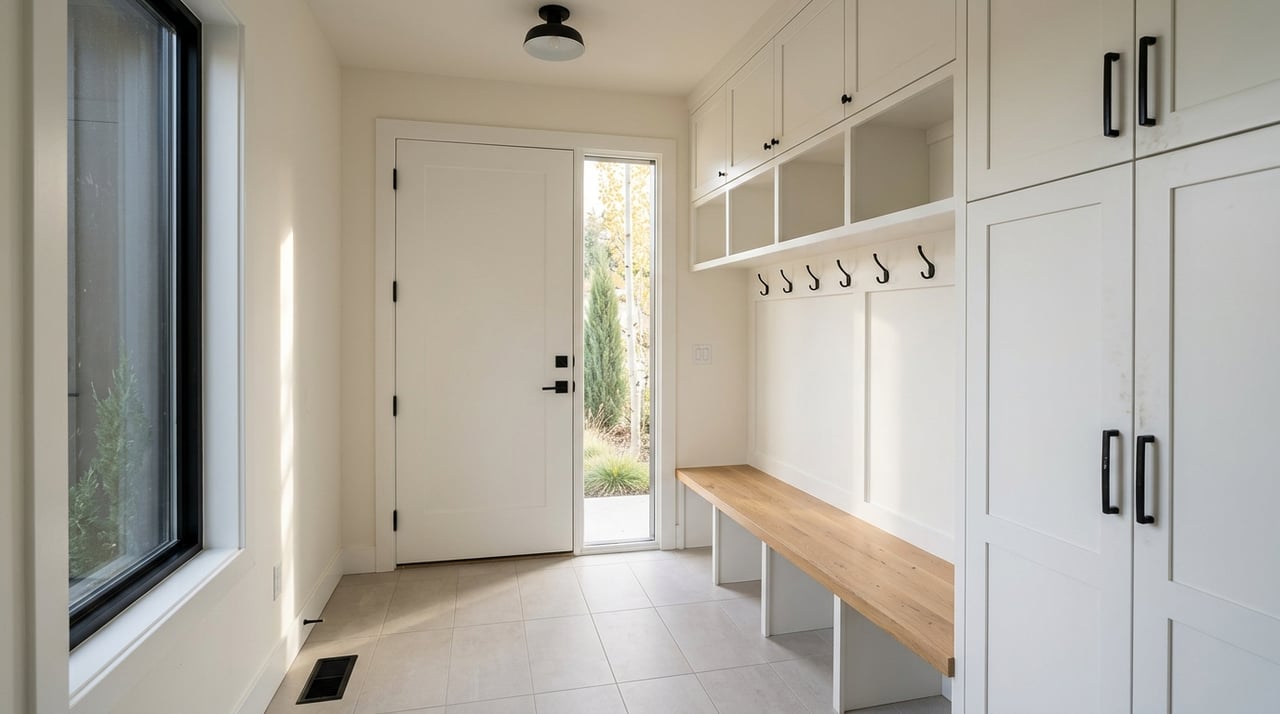
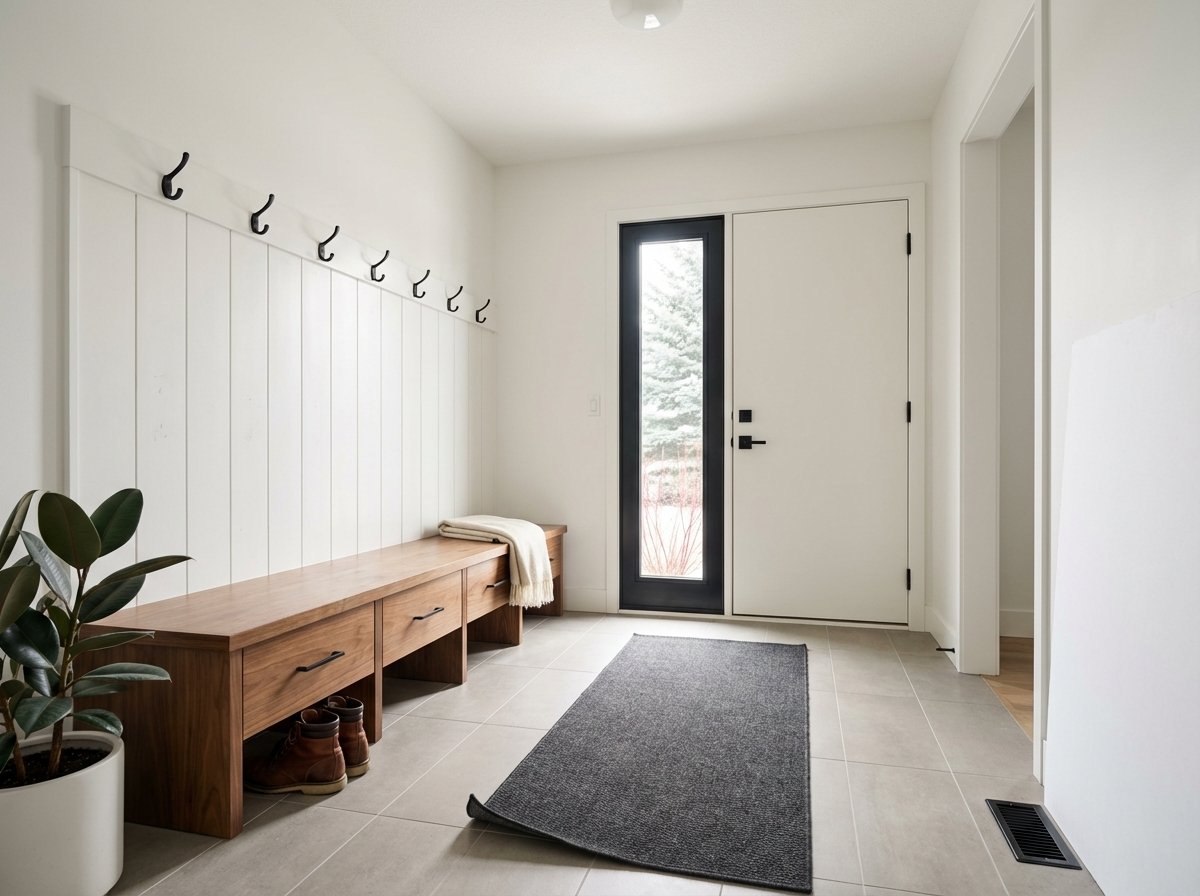
Staging for the Heights' dominant buyer demographic — families — means presenting spare bedrooms as functional children's rooms or home offices rather than storage. A well-organized mudroom with hooks, benches, and boot storage resonates powerfully with buyers who understand what Montana winters require.
The dining scene along the Billings Heights restaurant corridor is more varied and more earnest than its suburban reputation might suggest. Restaurants in Billings Heights lean toward hearty, unpretentious American fare executed with genuine care, though recent years have brought broader diversity to Main Street and its side streets.
3 North Bar & Grill has become something close to the neighborhood's living room — a large, welcoming space with an expansive patio, a reliable pub food menu elevated above typical bar standards, and a sports-watching culture that draws crowds on football weekends. 406 Kitchen & Taproom offers a more contemporary experience: craft beer selections among the best in the neighborhood, creative burgers, and an industrial-modern interior that feels like a deliberate gesture toward the Heights' evolving identity. For those navigating restaurants in Billings MT Heights who want classic Montana nightlife, The Vig Alehouse & Casino delivers exactly what the name promises — a staple locals' bar with solid pizza and sandwiches and the kind of casino culture that is as much social institution as entertainment format.
Among restaurants on the Heights Billings MT circuit, the neighborhood also maintains reliable chains that serve important functions: Perkins for Sunday brunch, Golden Corral for family-sized gatherings, and Applebee's as a dependable midweek option. Coffee needs are well-served by the combination of Starbucks and City Brew locations along Main Street, supplemented by smaller local drive-through kiosks that capture the morning commuting crowd efficiently.
For anyone exploring restaurants in Billings Heights beyond the well-known options, the neighborhood's casino-bar hybrids — distributed throughout the commercial corridors — represent a distinctly Montanan dining and social experience that is worth understanding as a cultural practice rather than simply a dining category.
Shopping in the Heights is oriented around the Main Street and Bench Boulevard corridors, designed for practical household needs and broad-category retail rather than boutique or luxury consumption. The neighborhood's commercial density makes it genuinely functional as a standalone shopping environment for most daily and weekly needs.
The Walmart Heights Billings Supercenter on the north end of Main Street anchors high-volume grocery and general merchandise retail. Albertsons covers the south end of Main with a full-service grocery offering, including organic sections that partially serve residents who might otherwise need to drive to the West End for natural food options. Shamrock Foodservice Warehouse adds a distinctive local option — a restaurant-supply store open to the public without a membership requirement, offering bulk items at commercial pricing that household buyers increasingly appreciate.
The Heights Shopping Center near the Main and Wicks Lane intersection consolidates Target Heights Billings MT, T.J. Maxx, and Ross Dress for Less into a big-box cluster that covers clothing, home goods, and general merchandise with reasonable comprehensiveness. A second Ross location is scheduled to open in this area in summer 2026, which will further reduce the need to cross the Rims for discount retail. Wells Fargo Billings MT Heights maintains a branch presence along the Main Street corridor, as do other major financial service providers.
For a traditional enclosed mall experience, Rimrock Mall on the West End is approximately 15 minutes away via the Inner Belt Loop — close enough to be a viable option without being so close as to suppress the Heights' own retail development.
The parks in Billings Heights represent one of the strongest arguments for choosing the neighborhood over any other part of the city, and they serve a population that genuinely uses them across all seasons.
Lake Elmo State Park is the neighborhood's crown jewel and one of the finest urban recreation amenities in Montana. This 64-acre reservoir supports swimming, paddleboarding, non-motorized boating, and fishing within striking distance of a residential neighborhood. Its 1.4-mile nature trail, dog-friendly beach, and the publicly available Action Trackchair (an all-terrain wheelchair available free of charge) reflect the degree to which the park functions as a community institution rather than simply a green space. For anyone asking whether there is a water park in Billings Heights — Lake Elmo's swimming area and splash pad infrastructure at Castle Rock Park are the closest equivalents, offering structured warm-weather water recreation within the neighborhood.
Zimmerman Park at the top of the Rimrocks offers the neighborhood's most dramatic natural experience: rugged unpaved trails for hiking and mountain biking along sandstone formations, bouldering areas, and sunset views that remain genuinely spectacular regardless of how many times you have seen them. The Skyline Trail, recently expanded, runs as a paved route along the Rim edge, connecting the Heights to the rest of Billings' 26-mile trail system and serving road cyclists and long-distance runners equally well.
Castle Rock Park is the Heights' family hub — a massive community space anchored by the "Castle Rock" play structure, a splash pad for summer use, tennis courts, and baseball diamonds. High Sierra Park in the northern section offers a newer playground and a popular disc golf course. Exchange City Golf Course at the base of the Heights provides an affordable, beginner-friendly 9-hole public option.
For structured fitness, Granite Fitness Billings Heights and Planet Fitness Billings Heights both maintain locations accessible from the Main Street corridor, offering options across price points for residents who prefer gym-based training alongside the neighborhood's abundant outdoor recreation.
The culture of Billings Heights is shaped by three interlocking forces: geography, history, and a deeply embedded sense of community independence. Understanding any one of these without the others produces an incomplete picture.
The geography matters because living on a plateau above the rest of the city produces a particular psychology. Heights residents are aware of their elevation — literally and figuratively. There is a long-standing, affectionate rivalry with the West End that expresses itself most visibly in high school sports, where Skyview Falcons and Senior Patriots fans have developed a productive civic competitiveness. The Heights has historically skewed blue-collar and practical, and while it has diversified substantially into a professional-family demographic over the past two decades, the core values of groundedness, self-sufficiency, and neighborly obligation remain culturally dominant.
Community life orbits most visibly around Skyview High School. Friday night football games draw the kind of crowd that turns a high school athletic event into a genuine community gathering. Falcon pride functions as a social adhesive, connecting residents across age groups and economic backgrounds in ways that few other institutions can replicate.
Outdoor living dictates seasonal rhythm. Summer centers on Lake Elmo, with families camping at the shoreline, paddleboarders crossing the reservoir, and evening runs along the Skyline Trail. Winter shifts the social calendar toward indoor community events, school sports, and the particular camaraderie that comes from surviving shared weather events. Shoveling a neighbor's driveway after a heavy snow is an unwritten expectation, not an exceptional gesture — a detail that communicates more about Heights culture than most formal descriptions could.
The lifestyle pace is suburban without being sleepy, practical without being parochial. People choose the Heights for its views, its space, its schools, and the buffer it provides from urban intensity — while remaining genuinely close, usually within 10 to 15 minutes, to everything Billings has to offer.
The Heights is one of the most school-dense residential areas in Billings, and the quality and range of its educational institutions constitute a primary driver of its real estate demand.
Skyview High School is the neighborhood's academic and social anchor. With an enrollment of approximately 1,600 students as of 2026, Skyview is a full-scale comprehensive high school with genuine academic distinction in specific program areas. Its STEM and Robotics programs compete at the national level and represent the district's most visible extracurricular achievements. The "Future Seekers" construction and trades program provides hands-on vocational training with direct career pathways. The school offers more than 11 AP courses with strong pass rates, and while its 20:1 student-teacher ratio reflects the practical constraints of serving a large and diverse student population, the school's overall academic outcomes are competitive.
Castle Rock and Medicine Crow Middle Schools serve most Heights students in grades 6 through 8. Medicine Crow, one of the district's newer facilities, is particularly well-regarded for its modern instructional infrastructure and integrated technology environment.
The elementary school landscape is dense and varied: Bitterroot, Bench, Eagle Cliffs, and Highland all serve Heights neighborhoods, with Bitterroot and Bench notable for their Pre-K programming. Private school options include the Billings Catholic Schools' St. Francis K-8 system for families seeking faith-based education. Preschool options include the Billings Family YMCA preschool and the Rimrock Learning Center.
MSU Billings and its affiliated City College at MSUB are accessible within 10 to 15 minutes via the Inner Belt Loop, making higher education genuinely practical for Heights residents pursuing degrees or professional certifications.
Transportation in the Heights has improved dramatically in recent years, and the long-standing criticism that the neighborhood has "only one way in and out" is increasingly obsolete as of 2026 — though the area remains, like most of Montana, fundamentally car-dependent.
Main Street (Highway 87/312) remains the primary artery, connecting the Heights directly to downtown Billings and extending outward to rural communities northeast of the city. Synchronized traffic signal timing has improved flow along this corridor, though peak-hour congestion between 7:30 and 8:30 AM and 4:30 and 5:30 PM remains the neighborhood's primary daily friction point.
The Inner Belt Loop has been transformational. By routing traffic along the top of the Rimrocks, it connects the Heights to the West End and the Shiloh Crossing commercial area in approximately 12 minutes without touching downtown streets — a commute that previously required 20-plus minutes of surface-street navigation.
The Billings Bypass in its 2026 state represents the most significant structural change to Heights connectivity in the neighborhood's history. With the Yellowstone River Bridge and Railroad Overpass segments fully open, residents can now access Five Mile Road to reach Lockwood and I-90 East directly, cutting 10 to 15 minutes from eastbound commutes and providing a genuine alternative to Main Street for a significant portion of the working population.
MET Transit operates Routes 7 and 17 through the Heights along the Main Street and Bench Boulevard corridors, providing bus service for those who can structure their schedules around public transit. In practical terms, however, personal vehicle ownership remains the assumed baseline for Heights residents, and urban planning in the neighborhood reflects that assumption at virtually every level.
The Heights' most desirable streets tend to cluster around three distinct geographic assets: Rimrock views, proximity to Lake Elmo, and access to the newer subdivisions with the best school adjacency and infrastructure.
Along the southern edge of the plateau, streets that run parallel to or directly above the Rimrocks — including sections of Rimrock Road and the streets threading through the custom-home estates in that corridor — command the highest values in the neighborhood. Properties here deliver unobstructed views of the Yellowstone Valley and the distant Beartooth Range, and they attract buyers for whom that visual experience is itself a primary purchase motivation.
In the central Heights, Bench Boulevard functions as an east-west orientation axis, and the streets immediately adjacent to it in well-established mid-century sections offer large lots, mature landscaping, and that particular neighborhood stability that only comes with decades of owner-occupancy. For buyers seeking the walkability and character of established residential streets, this central zone delivers most consistently.
Toward the northeast — particularly in newer subdivisions like Annafeld and Copper Ridge near the expanded Skyview High School attendance boundary — streets within those planned communities offer newer infrastructure, architectural consistency, and HOA-managed common areas. For families prioritizing new construction and school proximity in tandem, these streets represent the Heights' current premium residential development.
Streets bordering Lake Elmo on the eastern side carry distinct appeal for outdoor recreation-oriented buyers, offering proximity to the park's amenities without requiring a drive.
There is a version of the Billings Heights story that could be told purely through statistics — median prices, days on market, school enrollment figures, bypass completion percentages. That version is accurate. It is also incomplete.
What actually draws people to the Heights, and what keeps them there across generations, is something harder to quantify. It is the experience of driving up Main Street and feeling the city fall away behind you as the plateau opens up. It is the view from Zimmerman Park at sunset, the Yellowstone Valley stretched out below and the Beartooths stacked on the horizon. It is the way Lake Elmo fills with families on a July afternoon, and the way Skyview's Friday night lights create a community out of 1,600 students and every adult who ever cared about them.
It is also the practical things — the homes for sale in Billings Heights that offer more square footage per dollar than almost anywhere else in the Billings metro, the proximity to Target and Walmart Heights Billings and Albertsons and Wells Fargo without sacrificing the feeling of living somewhere spacious and unhurried. It is the Billings Bypass finally delivering on the promise of connectivity. It is the new trail infrastructure and the expanding retail landscape and the schools that compete at the national level in robotics.
But underneath all of that infrastructure and all of those amenities is a neighborhood culture that has proven durable across seventy years of growth: the culture of people who chose a plateau above a valley and decided to build something that would last. The Heights has never tried to be downtown, and it has never needed to. It has been, from the beginning, its own thing entirely — and that, more than any single amenity or market metric, is why people keep choosing it.
There's plenty to do around Billings Heights, including shopping, dining, nightlife, parks, and more. Data provided by Walk Score and Yelp.
Explore popular things to do in the area, including Conomart Super Stores, Daniels Diner, and Scents of Balance - Lady Kate's Garden.
| Name | Category | Distance | Reviews |
Ratings by
Yelp
|
|---|---|---|---|---|
| Dining | 0.38 miles | 1 review | 2/5 stars | |
| Dining | 0.82 miles | 0 reviews | 0/5 stars | |
| Dining | 0.86 miles | 0 reviews | 0/5 stars | |
| Dining | 1.12 miles | 12 reviews | 1.8/5 stars | |
| Dining · $$ | 1.12 miles | 20 reviews | 3/5 stars | |
| Dining · $ | 1.13 miles | 13 reviews | 1.3/5 stars | |
| Dining | 1.15 miles | 0 reviews | 0/5 stars | |
| Dining | 1.16 miles | 1 review | 3/5 stars | |
| Dining | 1.2 miles | 0 reviews | 0/5 stars | |
| Dining | 1.2 miles | 0 reviews | 0/5 stars | |
| Dining | 1.23 miles | 0 reviews | 0/5 stars | |
| Shopping | 1.21 miles | 2 reviews | 3/5 stars | |
| Active | 0.91 miles | 0 reviews | 0/5 stars | |
| Active | 1.07 miles | 0 reviews | 0/5 stars | |
| Active | 1.13 miles | 0 reviews | 0/5 stars | |
| Beauty | 0.35 miles | 2 reviews | 3/5 stars | |
| Beauty | 1.08 miles | 0 reviews | 0/5 stars | |
| Beauty | 1.14 miles | 0 reviews | 0/5 stars | |
| Beauty | 1.14 miles | 2 reviews | 3/5 stars | |
| Beauty | 1.15 miles | 0 reviews | 0/5 stars | |
| Beauty | 1.15 miles | 0 reviews | 0/5 stars | |
| Beauty | 1.2 miles | 12 reviews | 2.4/5 stars | |
| Beauty | 1.21 miles | 2 reviews | 3/5 stars | |
|
|
||||
|
|
||||
|
|
||||
|
|
||||
|
|
||||
|
|
Billings Heights has 12,132 households, with an average household size of 2. Data provided by the U.S. Census Bureau. Here’s what the people living in Billings Heights do for work — and how long it takes them to get there. Data provided by the U.S. Census Bureau. 30,470 people call Billings Heights home. The population density is 3,398 and the largest age group is Data provided by the U.S. Census Bureau.
Total Population
Population Density Population Density This is the number of people per square mile in a neighborhood.
Median Age
Men vs Women
Population by Age Group
0-9 Years
10-17 Years
18-24 Years
25-64 Years
65-74 Years
75+ Years
Education Level
Total Households
Average Household Size
Average individual Income
Households with Children
With Children:
Without Children:
Blue vs White Collar Workers
Blue Collar:
White Collar: