If you like the idea of walking to brunch, catching an art event, and having a lineup of local breweries nearby, Billings’ Brewery District may be one of the city’s most interesting places to live. At the same time, downtown living comes with tradeoffs, especially when it comes to home style, parking, and day-to-day routines. This guide will help you understand what everyday life and housing look like near the Brewery District in Billings so you can decide whether the fit is right for you. Let’s dive in.
What the Brewery District feels like
Billings promotes downtown as Montana’s largest walkable brewery district, and the area is clearly compact enough to explore on foot. Sources describe the trail a little differently, but both point to a downtown zone where breweries, distilleries, and other stops are clustered close together. For you as a buyer, that means the district is less about a single block and more about a connected downtown experience.
The area also offers more than a nightlife scene. Downtown Billings spans more than 18 city blocks and includes historic buildings, newer development, public art, restaurants, retail, venues, and residential properties. That mix gives the neighborhood an active, urban feel that stays relevant beyond the evening hours.
If you are relocating or simply want a lower-maintenance lifestyle, this part of Billings can feel very convenient. Visit Billings notes that downtown is easily walkable, has plenty to do, and sits less than five minutes from the airport. You also get quick access to outdoor amenities like the Yellowstone River and the Rimrocks, which helps balance city living with Montana’s outdoor appeal.
Everyday life near downtown Billings
Living near the Brewery District often means your routine can happen close to home. A weekend might include brunch, patio time, a self-guided brewery stop, or a walk through downtown shops and galleries. Because so much is clustered together, you may find yourself driving less for leisure activities than you would in other parts of Billings.
Downtown also has a steady calendar of public events. Alive After 5 runs on Thursday evenings in June and July, is free to attend, and is open to all ages. ArtWalk Downtown Billings takes place six times a year on the first Friday of every other month, adding another regular reason for foot traffic and community activity.
One of the biggest surprises for some buyers is that downtown is active on Sundays too. Downtown Billings says more than 25 locally owned businesses are open every Sunday, including places for breakfast, brunch, shopping, lunch, dinner, drinks, and dessert. That helps the area feel more like a true neighborhood center and less like a district that only turns on at night.
More than breweries and bars
If you are worried the area is all nightlife, the downtown setting is broader than that. The neighborhood includes museums, galleries, boutiques, public art, and historic landmarks. Nearby anchors include the Yellowstone Art Museum and the Western Heritage Center, both located in historic downtown Billings.
Street-level activity is a major part of the appeal. Downtown Billings highlights local patios, and the city’s parklet program is designed to extend seating or merchandise into the sidewalk or street edge. In practical terms, that creates a livelier pedestrian environment and reinforces the urban feel many buyers want when they choose downtown.
This arts-and-history layer matters when you think about daily life. You are not just choosing proximity to breweries. You are choosing a neighborhood where cultural stops, retail, dining, and events are part of the regular backdrop.
Housing near the Brewery District
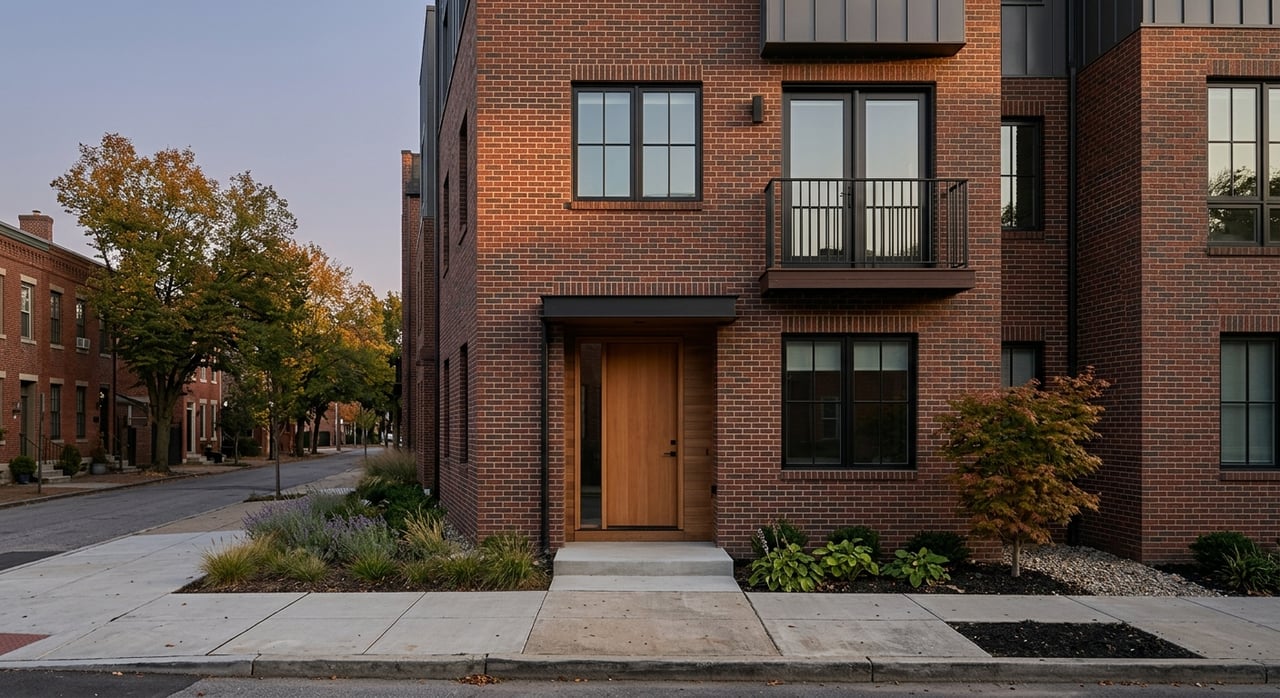
The housing story near the Brewery District is different from what you will find in many suburban parts of Billings. Here, the dominant pattern is not large-lot single-family homes. Instead, the area is more closely associated with lofts, apartments, condos, and mixed-use buildings that fit a walkable, lower-maintenance lifestyle.
Downtown Billings and the City of Billings have prioritized mixed-use development and housing in the downtown urban renewal district. Their housing strategy says downtown can support a variety of housing types, with a near-term focus on higher-density, smaller units and moderately priced homes. That direction helps explain why new and redeveloped projects tend to lean urban in form and scale.
A lot of downtown housing growth has come through rehabilitation and adaptive reuse rather than wholesale replacement. Past examples have included loft apartments, small mixed-use projects, and a limited number of ownership units in converted or updated buildings. That pattern helps preserve the historic character of the area while still adding more places to live.
What kinds of homes you may find
If you search near the Brewery District, you are more likely to come across units in converted buildings, loft-style homes, or mixed-use properties with residential space above street-level commercial space. Examples cited in the downtown housing strategy include Tracy Lofts, SoPO, Swift Lofts, the Oliver Building, Babcock Apartments, and the Acme Hotel redevelopment. Some of these projects included indoor or gated on-site parking, though that feature varies by building.
More recent projects suggest downtown housing is still growing. Downtown Billings reported redevelopment plans for the Old Billings Hardware Building into commercial space plus loft-style apartments. It also reported approval of Old Town Flats and noted that three mixed-use developments approved in 2022 would add 88 residential units plus commercial space.
For buyers, this means inventory near the Brewery District may offer character, convenience, and a unique layout, but not always the same square footage or private outdoor space you would expect in other residential areas. Older downtown homes have also tended to be smaller and older on average than homes elsewhere in Billings. That is tied to the district’s original city neighborhoods and denser development pattern.
Parking and access matter here
Parking is one of the biggest practical questions to ask before you buy near the Brewery District. The City of Billings says downtown includes 849 meters, with time limits up to four hours. The city also manages three garages, three city-owned lots, and the broader downtown meter network.
Downtown Billings adds that some signed spaces are free in the evening and on weekends, and 10-hour permits are available for regular users. That means parking is manageable, but it does require some planning. If you are used to abundant driveway parking or a private garage at every stop, the adjustment can be noticeable.
This is why parking should be part of your home search from the start. Some buildings offer secure, indoor, or gated parking, but that is not universal. When you compare properties, it helps to treat parking as a core feature, not a small detail to sort out later.
Who this area tends to fit best
The Brewery District lifestyle tends to appeal to buyers who value walkability, easy access to dining and events, and a lower-maintenance home base. If you like being close to arts venues, patios, shops, and downtown energy, the area may feel like a strong match. It can also work well for relocators who want a convenient home base while they learn the city.
On the other hand, this part of Billings may be less ideal if your top priorities include a large private yard, generous private parking, or a quieter suburban feel. That does not make the area better or worse. It simply means lifestyle fit matters more here than in many neighborhoods where housing types are more uniform.
For some buyers, the tradeoff is worth it. You may get a more connected, walkable routine and a home with architectural character that is harder to find elsewhere. For others, a different part of Billings will make more sense.
What buyers should keep in mind
Before you focus only on finishes or price, think about how you actually want to live day to day. Near the Brewery District, your decision is as much about routine as it is about the home itself. The right property often comes down to balancing convenience, character, parking, and the kind of neighborhood energy you want around you.
A few smart questions can help narrow the search:
- Do you want to walk to dining, events, and shops?
- Would a loft, condo, or mixed-use building suit your lifestyle better than a traditional house?
- Is dedicated parking a must-have?
- Are you comfortable with a more active downtown environment?
- Do you prefer lower exterior maintenance over a larger yard?
If your answers lean toward convenience, walkability, and urban character, living near Billings’ Brewery District may be a strong fit. And if you are not sure, a local guide can help you compare downtown options with other neighborhoods so your decision matches both your lifestyle and your long-term goals.
Whether you are relocating to Billings or comparing neighborhoods across the city, having local insight makes a big difference. The Brosovich Real Estate Team can help you evaluate housing options, understand neighborhood fit, and find the right home for the way you want to live.
FAQs
What is everyday life like near Billings’ Brewery District?
- Living near the Brewery District often means easy access to brunch spots, patios, shops, galleries, downtown events, and walkable entertainment in a compact part of Billings.
Are there homes near Billings’ Brewery District, or mostly rentals?
- The downtown area includes residential options such as loft apartments, mixed-use buildings, condo-style homes, and redevelopment projects that add more living space.
Is Billings’ Brewery District only for nightlife?
- No. The area also includes museums, galleries, boutiques, public art, Sunday shopping, and free public events such as ArtWalk and Alive After 5.
How does parking work near downtown Billings?
- Downtown parking includes metered spaces, garages, city-owned lots, and some permit options, so it is important to confirm whether a specific building includes dedicated parking.
Who is a good fit for living near Billings’ Brewery District?
- Buyers who value walkability, low-maintenance living, dining, arts, and downtown activity often find the area appealing, while buyers who want larger yards or abundant private parking may prefer other neighborhoods.
What kind of housing is most common near Billings’ Brewery District?
- Housing near the district is commonly made up of lofts, apartments, condos, and mixed-use residential buildings rather than large-lot single-family homes.